
Meta's $900 million investment in Bengaluru-based fintech startup CRED has drawn significant attention.
But the more consequential part of the story may be what the deal reveals about Meta's broader ambitions in India's digital payments and commerce landscape and why it chose to pair the investment with a major leadership change at WhatsApp.
The Meta Deal
Meta will invest $900 million in CRED in a transaction that values the company at around $4.5 billion, giving the social media giant a 20% stake.
1 June 2026
Get the latest issue of Outlook Business

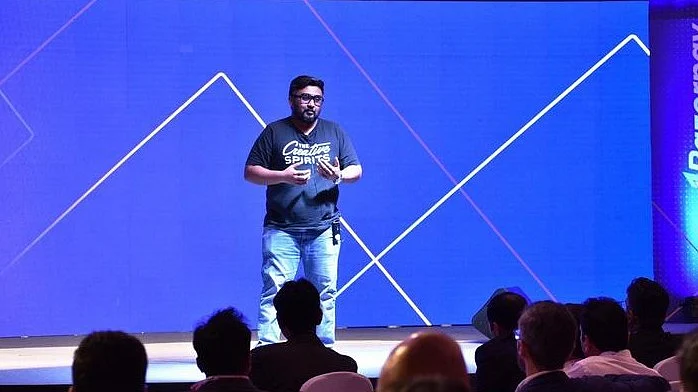
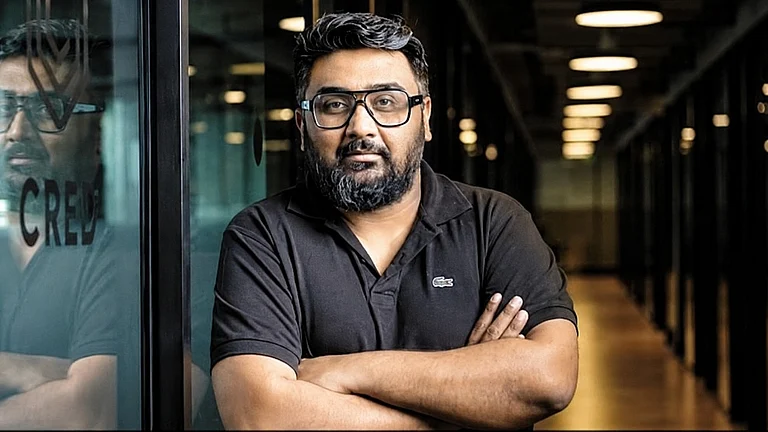
The investment is structured through a combination of primary capital infusion and secondary share purchases from existing investors, though the precise split between the two has not been disclosed. As part of the same announcement, CRED founder Kunal Shah said he would step down as chief executive to become global CEO of WhatsApp, succeeding Will Cathcart.



CRED's current valuation represents a partial recovery from earlier highs. According to Reuters, the company was valued at around $6.4 billion during the startup funding boom of 2022, a figure that later fell to around $3.5 billion as global funding conditions tightened. The reported $4.5 billion valuation remains below that peak but marks a meaningful rebound.
What CRED Actually Is
Founded in 2018, CRED started by targeting users with strong credit histories, specifically those who own credit cards and pay their bills on time. Over the years, it expanded into lending, UPI payments, insurance, rent payments and wealth-related offerings. The platform now has around 17 million monthly active users and processes more than 40% of India's credit card bill payments.
Reports suggest that what sets CRED apart from other fintech platforms is not its scale but its user base. Rather than targeting the broadest possible audience, CRED focused on financially active consumers, people who spend online, travel frequently and are more likely to use financial products. That audience is relatively small compared to India's total internet population but carries significant spending power.
Meta's Payments Problem in India
Meta already has an enormous presence in India. WhatsApp crossed 3 billion monthly users globally in 2025, and India is its largest market. Instagram has also become a significant platform for product discovery, creator commerce and direct-to-consumer selling.
Despite that reach, Meta has struggled to build a meaningful position in India's payments market. According to NPCI data for May 2026, PhonePe and Google Pay together held 79% of UPI market share. WhatsApp Pay accounted for around 0.65% to 0.70% of total UPI transaction volumes during the same period. In terms of transaction volume rankings, CRED stood eighth and WhatsApp Pay ninth, according to the same NPCI data.
That gap is significant. A user may discover a product on Instagram, negotiate with a seller over WhatsApp and decide to buy. But the actual payment often takes place outside Meta's platforms entirely. For a technology company, that final transaction step matters because payments generate data, deepen user relationships and open doors to broader financial services.
Why Kunal Shah's Appointment Matters
Shah founded FreeCharge, one of India's early digital payments companies, before launching CRED. His background sits squarely at the intersection of consumer technology and financial services, two areas directly relevant to what Meta is trying to build on WhatsApp, as per media reports.
His appointment as WhatsApp's global CEO therefore carries weight beyond the symbolism of an Indian entrepreneur taking charge of one of the world's largest messaging platforms. WhatsApp's next phase of growth is increasingly tied to commerce and payments and Shah brings direct experience in both.
Meta's investment in CRED and Shah's shift to WhatsApp are structured as separate developments. Strategically, however, they appear to be connected. CRED offers Meta access to a high-value consumer segment. Shah brings fintech and product expertise to WhatsApp. Both developments position Meta more deeply in India's digital payments and commerce space, the reports added.
What Comes Next for CRED
With Shah's departure, Miten Sampat, who has headed strategy and finance at CRED since 2020, will take over as interim CEO. The company's board is working to finalise a fuller leadership structure as CRED prepares for an eventual public listing. "The board and leaders are in the process of constituting the right leadership structure towards eventual IPO," CRED said in a statement.
CRED's financials show the company narrowing its losses. Operating losses fell to ₹298 crore in FY25 from ₹609 crore in FY24, though the company reported net losses of ₹1,457 crore during the same period. Consolidated operating revenue grew 16% to ₹2,735 crore in FY25.
The $900 million investment from Meta also arrives at a significant moment for India's broader startup ecosystem. After a prolonged period of valuation cuts and a pullback in venture capital, the deal marks one of the largest single investments by a global technology company into an Indian fintech startup.