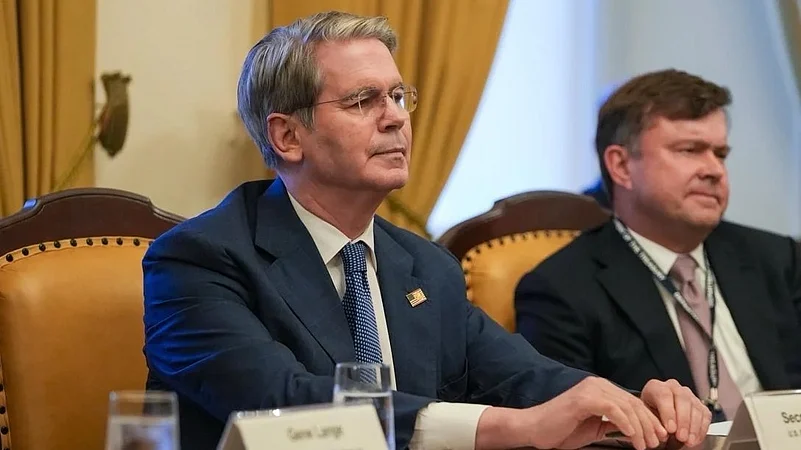

US Treasury Secretary Scott Bessent said Washington and Tehran could finalise an agreement to restore commercial shipping through the Strait of Hormuz as early as Tuesday or Wednesday.
US crude futures dropped about 4% after Bessent's remarks, as markets priced in the possibility of reduced geopolitical risks and improved energy flows.
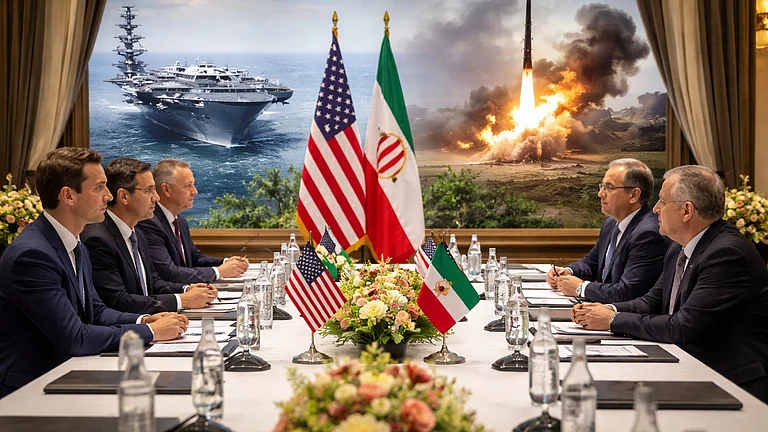
While President Donald Trump and the US administration say diplomatic efforts are progressing, Tehran has denied direct negotiations, maintaining that its discussions are limited to Oman over shipping arrangements in the Strait of Hormuz.
US Treasury Secretary Scott Bessent said on Tuesday that Washington and Tehran could finalise an agreement to resume operations in the Strait of Hormuz as early as Tuesday or Wednesday. The potential diplomatic breakthrough could restore global commercial shipping through the strategic waterway.
"We are in talks with the Iranians... There is a chance we may have a deal today or tomorrow to open the Strait and move towards a more normalized position in this conflict," Bessent told CNBC's Squawk Box.

1 September 2026
Get the latest issue of Outlook Business

When asked about vessel tolls, Bessent reaffirmed the US demand for unhindered navigation.
"It would be freedom of movement," Bessent said. "Even though things are still a little dicey there over the past few days, we saw quite a few ships coming out even now"
Following his remarks, US crude futures slumped about 4 per cent to trade below $77 per barrel as markets priced in easing Gulf tensions.
Advertisement
Trump Asserts Active Diplomacy
Bessent's remarks followed repeated assertions from US President Donald Trump that active diplomacy was progressing, despite public denials from Tehran.
"Talks are going on right now," Trump said at the White House on Monday. "This is a last chance for them to sign a good document"
The US leader had previously paused fresh military action against Iran. This delay followed urgent appeals from Qatar, Saudi Arabia, the United Arab Emirates and other regional partners to prioritise a diplomatic resolution.
"Now what we're doing is we're talking to them in the form of a negotiation. It begins tomorrow afternoon," Trump told reporters aboard Air Force One on Sunday.
Advertisement
Trump added that the initial discussions would focus on reopening the Strait of Hormuz, with subsequent efforts aimed at addressing Iran's nuclear programme.
Iran Denies Direct Talks
Iranian authorities firmly rejected claims of ongoing bilateral engagement with the United States. Foreign Ministry spokesman Esmaeil Baqaei denied direct negotiations with Washington on Monday.
"We are not currently negotiating with the United States. Our negotiations are with Oman to secure passage through the Strait of Hormuz," Baqaei said.
He explained that Tehran was finalising a separate shipping route agreement with Muscat.
"We are now going to reach an understanding on a route acceptable to both sides, neither the northern route nor the southern route, but one that respects the sovereign rights of both sides and safeguards our national interests and security," Baqaei said.
However, he stressed that such an arrangement would not amount to reopening the strait.
Strait Remains Central Conflict
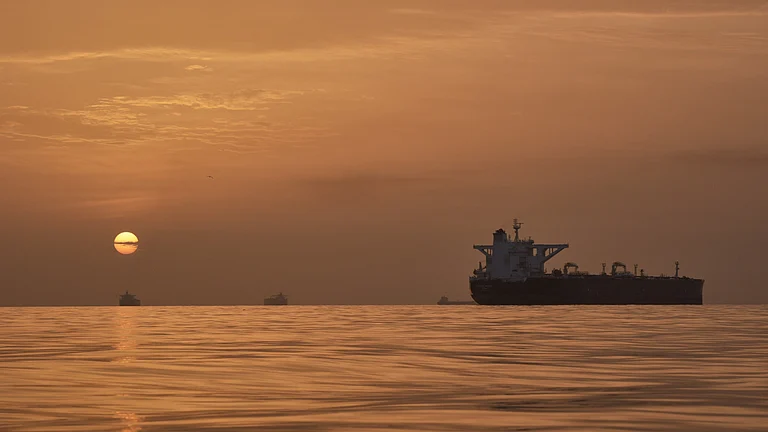
The broader military conflict erupted on February 28 when the United States and Israel struck Iranian targets, effectively shutting down the strategic global energy chokepoint.
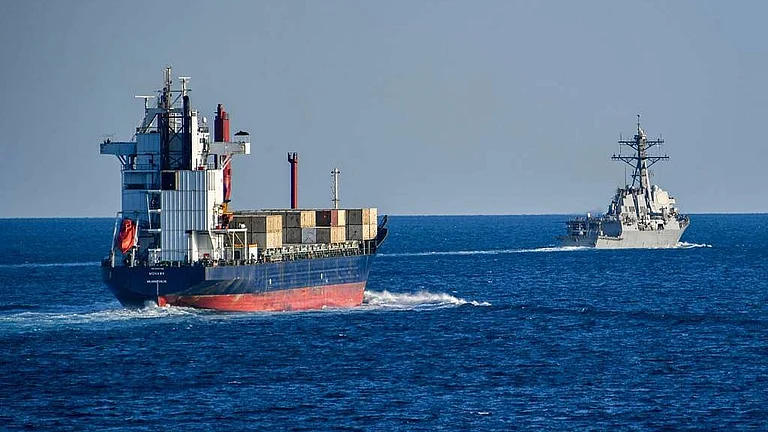
Before the conflict, commercial vessels moved freely through the strategic waterway, which carries a significant share of global oil exports.
Iran later tightened control over the strait, insisted on retaining administrative authority and proposed charging fees for passage, a position rejected by Washington.

A previous ceasefire agreement, which mandated reopening the Strait of Hormuz, collapsed last month and triggered a fresh wave of hostilities.
Iranian lawmaker Hassan Ghashghavi said efforts were underway to revive the June memorandum of understanding.
"They know that the main issue and, in fact, the key to the matter right now is the issue of the Strait of Hormuz, so yes, there is an exchange of views," Ghashghavi said.
Iranian President Masoud Pezeshkian reinforced the ongoing diplomatic push on X.
"We must strive to compel the enemy to remain committed to what it has signed," Pezeshkian wrote.