AccuWeather estimates 15% chance of super El Niño by November.
NOAA sees one-in-three probability between October and December.
Experts say strength remains highly uncertain despite growing signals.
A potentially supercharged El Niño is approaching this summer and it could cause temperatures across the globe to unprecedented extremes, according to the National Oceanic and Atmospheric Administration's (NOAA) Climate Prediction Center, with a 62% chance of El Niño emerging between June and August.
El Niño is the warm phase of the El Niño-Southern Oscillation (ENSO), a natural climate pattern of atmospheric and sea temperature changes in the tropical Pacific Ocean. During El Niño, warmer waters gather east of the equatorial Pacific, forcing the jet stream south. This brings warmer and drier conditions to the northern US, while the Gulf Coast and southeastern US have an increased risk of flooding.

1 September 2026
Get the latest issue of Outlook Business

La Niña is the cold phase of ENSO that is happening right now in the tropical Pacific Ocean. During this phase, sea surface temperatures drop at least 0.9 degrees Fahrenheit (0.5 degrees Celsius) below the long-term average. The most recent announcement from the Climate Prediction Center says that La Niña will end in the next few weeks as the sea warms.
If the temperature of the sea surface stays at least 0.9 F above the long-term average, then El Niño will happen. AccuWeather says that if El Niño happens as expected, it could grow into a "super El Niño," according to the LiveScience website. When sea surface temperatures rise at least 3.6 F (2 C) above the long-term average, a super El Niño happens.
Advertisement
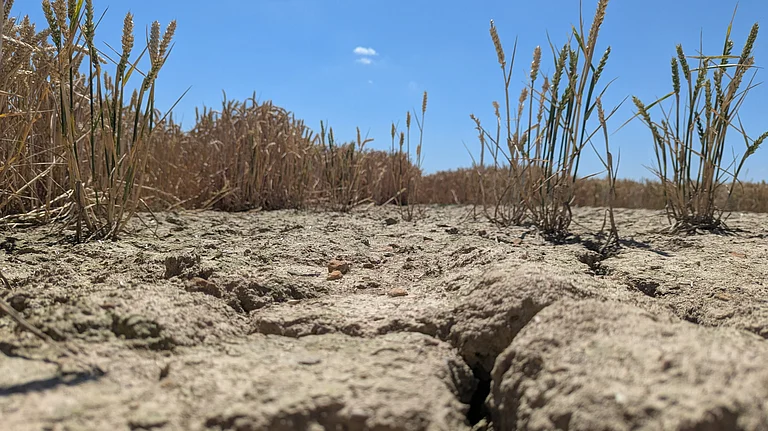
El Niño Risk Looms
According to LiveScience website, if El Niño emerges as anticipated, it could intensify into a "super El Niño," AccuWeather reported. A super El Niño occurs when sea surface temperatures reach at least 3.6 F (2 C) above the long-term average.
"Intensity is uncertain but there is potential for a moderate to possibly strong El Niño this fall into winter," Paul Pastelok, a meteorologist and lead US long-range forecaster at AccuWeather, said, per the weather website.
AccuWeather forecasters say there is a 15% probability of a super El Niño forming by the end of the hurricane season in November. On the contrary, the NOAA Climate Prediction Center estimates a one-in-three likelihood of a strong El Niño developing between October and December, though it notes that its intensity remains “very uncertain.”