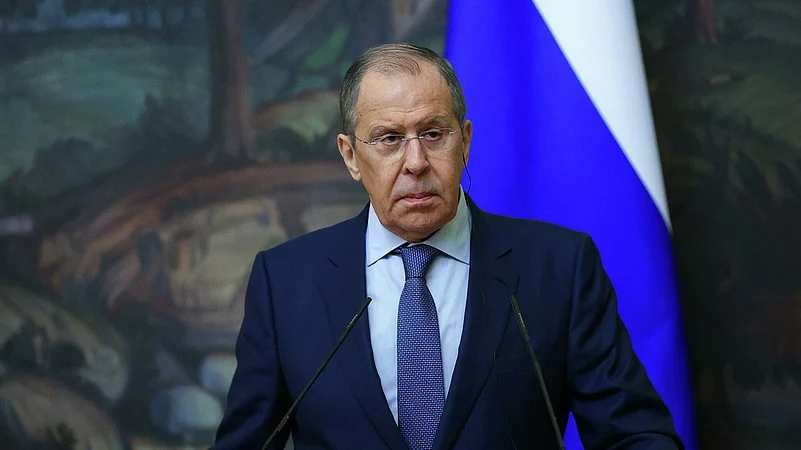

Russian Foreign Minister Sergei Lavrov alleged the US is coercing countries to abandon discounted Russian oil in favour of costlier American LNG.
Washington has imposed punitive tariffs on India over Russian energy purchases, even as New Delhi maintains energy security for 1.4 billion people remains its top priority.
The US has also expanded tariff threats against countries trading with Iran, a move expected to impact global trade and major economies such as India and China.
Russian Foreign Minister Sergei Lavrov has alleged that the US is attempting to block India and other countries from buying Russian oil and claimed that Washington is using sanctions, tariffs, and other restrictive measures to assert its global economic dominance.
According to reports by ANI, the Russian minister, in an interview with TV BRICS, said the US is coercing countries to abandon discounted energy supplies from Russia and instead forcing them to buy relatively expensive US liquefied natural gas (LNG).

1 September 2026
Get the latest issue of Outlook Business

“They (the US) tell us that the Ukraine problem should be resolved. In Anchorage, we accepted the US proposal… The US position was important to us,” reports said, citing Lavrov. “By accepting their proposal, we seem to have completed the task of resolving the Ukrainian issue and moving on to large-scale, broad-based, and mutually beneficial cooperation. So far, the reality is quite the opposite.”
Advertisement
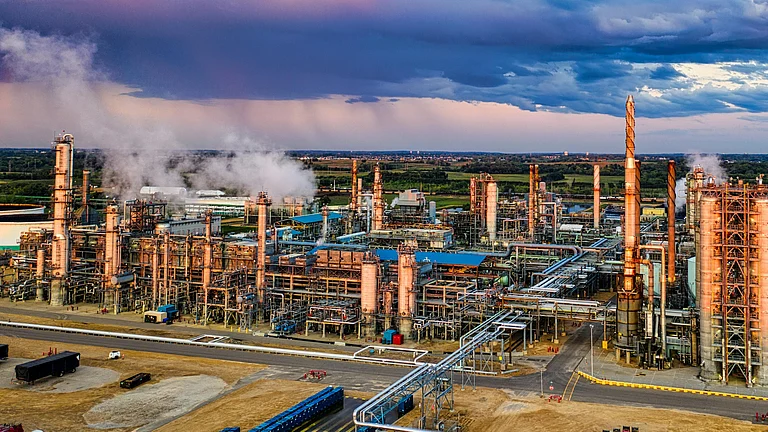
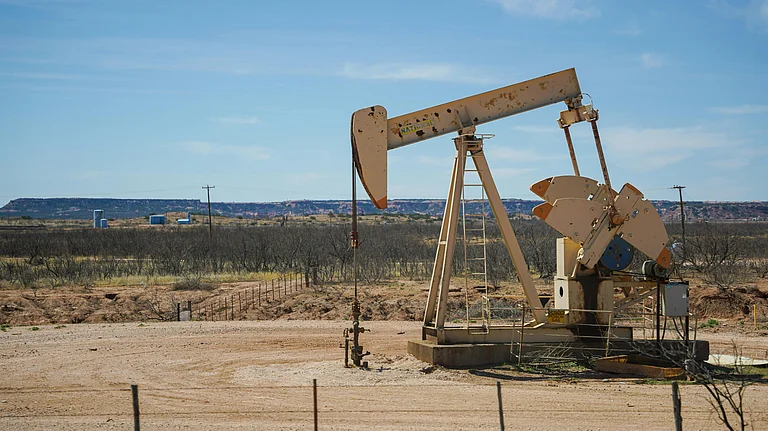
With respect to India, Washington imposed a 25% punitive tariff in August over New Delhi’s purchase of Russian crude and energy. New Delhi emerged as one of Moscow’s top energy buyers since 2022, when Russia began supplying crude at discounted prices in the wake of the ongoing war between the Kremlin and Kyiv.
Given that India imports 80% of its crude for domestic needs, the discounted crude supply served its national interests. The US and other Western allies have alleged that New Delhi’s oil purchases were fuelling the war, a claim India denies.

Advertisement
In the interim trade agreement (ITA) between India and the US, Washington has repeatedly claimed that New Delhi has agreed to halt Russian oil imports, with data showing Indian refiners are actively diversifying their oil suppliers. However, an official announcement from New Delhi regarding the halting of Russian oil imports has not been made yet.
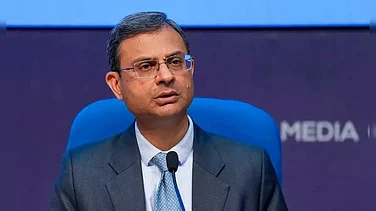
“So far as India’s energy sourcing is concerned, the government has stated publicly on several occasions that ensuring the energy security of 1.4 billion Indians is the supreme priority of the government,” External Affairs Ministry spokesperson Randhir Jaiswal said, adding that diversifying energy sources remains a prime objective in the evolving global environment.
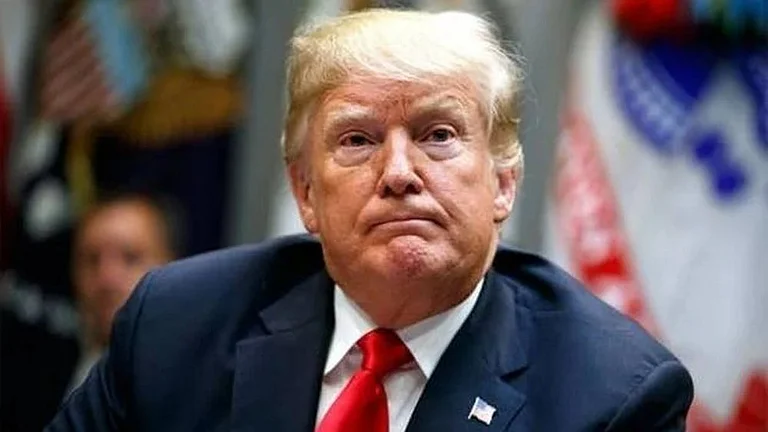
Further, on February 7, US President Donald Trump signed an executive order imposing tariffs on countries trading with Iran. The executive order stated that duties “may be imposed on goods imported into the United States that are products of any country that directly or indirectly purchases, imports, or otherwise acquires any goods or services from Iran.”
Such a move by the Trump administration is expected to impact global trade, affecting major economies such as India and China.
The Russian foreign minister called for continued engagement despite tensions and reaffirmed that Moscow remains open, like other countries.
“We have to take all of this into account while remaining open, just like India, China, Indonesia, and Brazil, to cooperation with all countries, including major powers such as the United States. We are in a situation where the Americans themselves are creating artificial obstacles along the way,” Lavrov said.