
The Centre is considering a consumer levy on LPG and natural gas to raise around $1.5 billion annually for a planned $42 billion strategic fuel reserve.
For the first time, India plans to build strategic reserves for LNG and LPG, alongside crude oil, with the decade-long programme targeting additional storage for 28 million tonnes of crude, 9 million tonnes of LNG and 4 million tonnes of LPG.
The proposal follows supply disruptions during the US-Israel-Iran conflict, which exposed India's vulnerability as it imports nearly 90% of its crude oil, though the levy still requires Cabinet approval.
India is considering a new consumer charge on cooking gas and natural gas to help fund a planned $42bn strategic fuel reserve, Reuters reported citing sources.
This marks the first time the country is extending its strategic reserves beyond crude oil to include liquefied natural gas (LNG) and liquefied petroleum gas (LPG).

1 September 2026
Get the latest issue of Outlook Business

The funding mechanism, which has not been previously reported, is currently being discussed across government ministries. The sources requested anonymity because the proposal awaits final approval from Prime Minister Narendra Modi's cabinet
Proposed Consumer Gas Levies
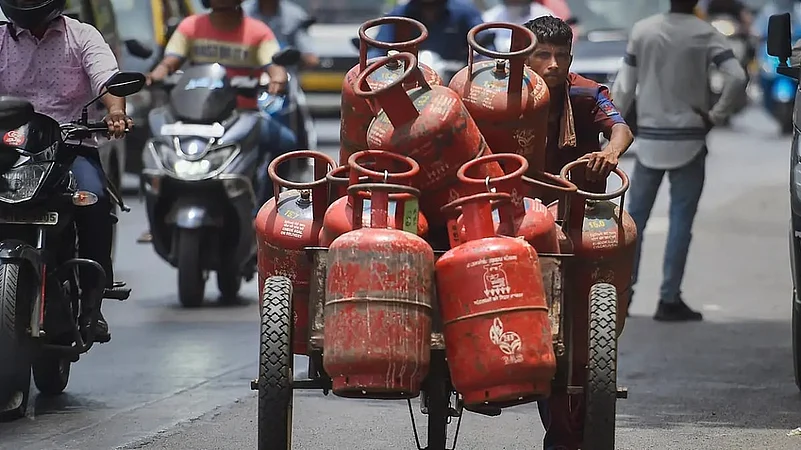
The proposed LPG levy of Rs 1.29 ($0.0136) per kg would raise $460mn annually. This charge would add Rs 18 to the cost of a standard domestic cylinder, the sources said.
For natural gas, the ministry has proposed a levy of Rs 1.43 per standard cubic metre. This measure would generate about $1bn annually at current consumption levels. It was not immediately clear how the levies would be collected.
Advertisement
Combined, the levies would raise about $1.5bn annually to fund gas storage infrastructure. The federal government will continue to finance crude reserves and strategic fuel inventories separately.
These levies will add about 2% to household gas bills. This presents a politically sensitive challenge for Modi's government, which faces the difficult task of raising costs for millions of consumers amid already elevated fuel prices.
Decade-Long Storage Expansion
The decade-long programme requires $42bn in total capital. More than half of this sum is earmarked for building storage infrastructure, while the remainder will fund stocking the reserves.
Advertisement
India aims to build storage capacity for an additional 28mn metric tons of crude, 9mn tons of LNG and 4mn tons of LPG over 10 years.
These stockpiles are designed to cover about two months of crude and LNG demand and around six weeks of LPG consumption.
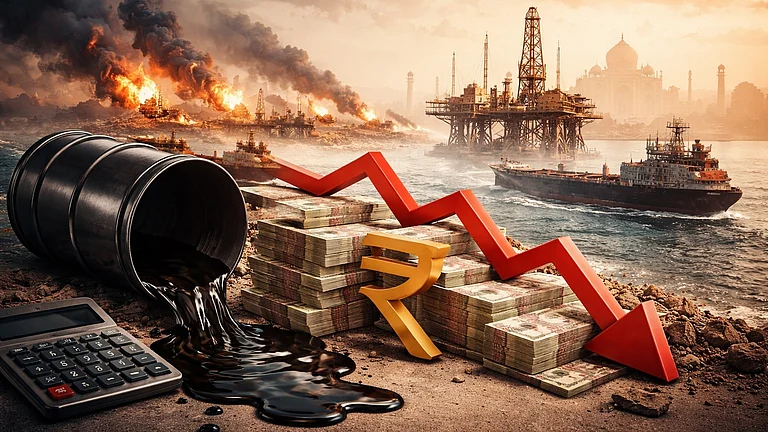


The plan was prompted by West Asia supply disruptions resulting from the U.S.-Israeli war on Iran that drove up import costs and highlighted associated vulnerabilities in the Strait of Hormuz, a key route for oil and gas shipments from Gulf producers to global markets.
The situation heavily impacted India, which is the world's third-largest oil consumer and imports nearly 90% of its crude.