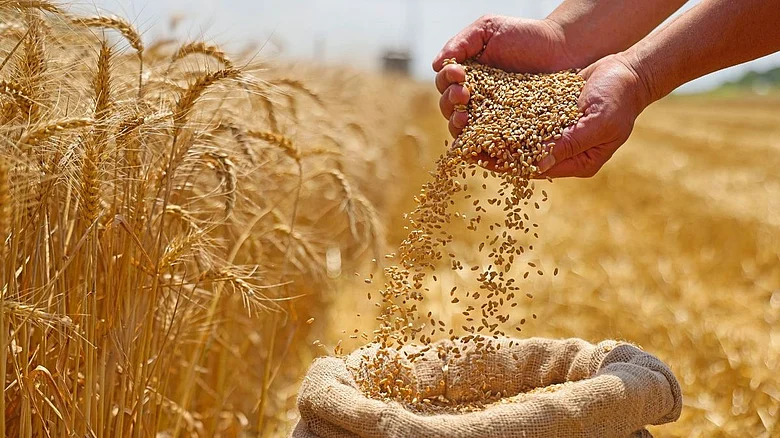

Wheat flour, maida, semolina, wholewheat atta and resultant atta can now be exported freely with immediate effect.
The government had earlier allowed exports subject to an annual limit of 5 million tonnes; the latest move removes that restriction.
India halted wheat exports in July 2022 after domestic wheat and atta prices surged amid a global supply shock triggered by the Russia-Ukraine war.
The Central Government has removed restrictions on exports of wheat flour and related products, including maida, semolina, wholewheat atta and resultant atta, with immediate effect.
The move marks a significant easing of India's controls on wheat-based exports, which have been in place since the government imposed restrictions in 2022.

1 October 2026
Get the latest issue of Outlook Business

The government has amended the export policy for wheat flour and associated products, replacing the earlier prohibition with a free export regime, according to an official release.


Exporters can now ship these products overseas without the earlier restrictions.
Export Curbs Eased
The decision marks another step towards relaxing India's controls on wheat and wheat-based products. Earlier this year, the government had partially eased export restrictions by allowing shipments subject to an annual limit of 5 million tonnes.
The latest amendment removes that ceiling, giving exporters greater flexibility to cater to international demand and expand overseas shipments of wheat flour and related products.
Advertisement
The policy change comes after several years of restrictions aimed at protecting domestic supplies and containing food inflation.
Why India Banned Wheat Exports
India imposed a ban on wheat exports on July 12, 2022, following a sharp increase in domestic prices of wheat and atta.
The restrictions came after India had increased wheat exports amid a surge in international prices.
Global wheat prices had risen by nearly 40%, driven largely by supply disruptions and logistical challenges following the Russia-Ukraine conflict.
The war disrupted shipments from the Black Sea region, which accounts for around 25% of global wheat trade, creating significant uncertainty in international grain markets.
Advertisement
India subsequently increased its role as a supplier to global markets, helping offset some of the supply shortfall.
However, rising domestic prices and concerns over food security prompted New Delhi to prioritise local availability and restrict exports.
The latest decision represents a further reopening of India's wheat-product trade.
By removing the export restrictions, the government is giving domestic millers and exporters greater access to overseas markets while signalling a shift away from the emergency controls introduced during the global food-supply shock.