




TCS says the US suspension of PERM will not materially affect its workforce strategy or client work.
The company says its PERM filings were in single digits over the last two years.
Nasscom has objected, saying immigration and skilled talent mobility are separate issues.
Tata Consultancy Services moved on Friday to calm concerns over Washington’s freeze on the PERM programme, saying the decision will leave its workforce plans and client work largely untouched. The statement came a day after the US government named it among the companies being suspended.
India’s largest IT services exporter leaned on its own numbers to make the case. By its count, PERM filings stayed in single digits across the last two years, which is why it does not see the suspension changing how it plans staffing or serves customers in the US.

1 October 2026
Get the latest issue of Outlook Business

"Our PERM applications were in single digits in the last two years and hence we do not expect the suspension of the programme to impact our workforce strategy and customer engagements," the company said.



TCS added that its American operations rest mainly on hiring locally, with campus recruitment as the main pipeline. It has built a sizeable domestic workforce spread over 31 offices and delivery centres across the country. The company also pointed to its earlier commitment to add 15,000 more people in the US over the next five years.
"We have built a significant local workforce across 31 offices and delivery centres throughout the country. As we had announced earlier, we intend to hire an additional 15,000 people in the US over the next five years, to further augment our local workforce," its statement read.
Advertisement
What Washington Decided
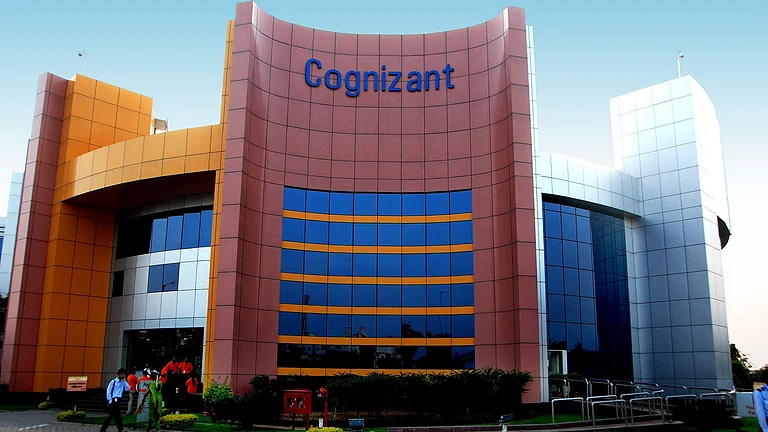
US Vice President JD Vance and Labor Secretary Keith Sonderling announced on Thursday that a group of firms would be suspended from the programme. Besides TCS, the list includes Infosys, Wipro, HCLTech, Cognizant and Capgemini. In practical terms, any PERM filing by these companies, whether freshly lodged or already waiting in the queue, will now go unprocessed, the Labor Department said. The step forms part of a wider tightening on skilled-worker immigration routes.
Nasscom, the industry body for the sector, objected to the temporary bar, arguing that immigration and the movement of skilled talent are distinct matters that should not be judged together. It also said only a limited number of employees move from H-1B visas to permanent residency through PERM. The body added that Indian technology companies, present in over 80 countries, have a record of following local laws and that it expects them to keep complying with US regulations.
Advertisement
Sentiment Shock, Not An Earnings Shock
Market experts see limited near-term damage to revenue. Divam Sharma, CEO and co-founder of Green Portfolio, called the move “a sentiment shock more than an earnings shock”. The freeze covers green card sponsorship and not the H-1B visas that staff client projects, he said, so contracts and delivery should carry on as before.
The pressure point, according to Sharma, is talent and margins. Employees waiting on permanent residency could move to employers that can still sponsor them, lifting attrition and the cost of local hiring and subcontracting. He expects that to quicken a shift towards offshore delivery and US local hiring that was already under way.
Shashank Udupa, founder of Vayu Capital, made a similar point, describing the step as a green card freeze and not a visa ban. When a permanent residency path stalls, an employee’s reason to stay weakens, he said, leaving firms to choose between pricier US hires and moving more work offshore, which would weigh on margins over time.
For investors, Sharma expects a knee-jerk negative reaction and choppy trading, since the US is the sector’s largest market and the move adds policy risk to a cautious demand picture. He advised against panic selling, but also against rushing to buy the dip before there is clarity, and suggested tracking management commentary this results season. Both experts named the same trigger to watch, which is whether the curbs spread from PERM to H-1B rules.
Indian IT firms have spent the past few years trimming their reliance on H-1B visas and PERM. The Trump administration has alleged that tech companies use these routes to bring in cheaper labour and displace American workers. In response, the companies have raised local hiring and tied up with US colleges. Reports suggest a gap between the supply of and demand for local talent still remains. The latest PERM action is among several steps by the administration targeting both legal and illegal immigration.









