India flagged concerns over a proposed US bill targeting buyers of Russian crude oil.
The revised bill allows tariffs of up to 100%, down from the earlier 500% proposal.
India warned the move could strain bilateral ties and ongoing trade negotiations.
India has expressed concerns over a proposed US sanctions bill targeting buyers of Russian crude oil, warning that imposing tariffs on countries such as India while offering concessions to some European nations importing Russian natural gas could adversely affect bilateral relations, according to an Economic Times report.
The proposed legislation comes at a time when India and the United States are negotiating a bilateral trade agreement and as India's imports of discounted Russian crude have continued to rise amid geopolitical disruptions in global energy markets.

1 October 2026
Get the latest issue of Outlook Business

According to the report, government sources described the proposed measures as adopting "double standards" and cautioned that such an approach could prove counterproductive. The US is not taking the right approach. These are double standards vis-a-vis Europe and may not achieve the desired result. The move has the potential to damage relations with India even further.


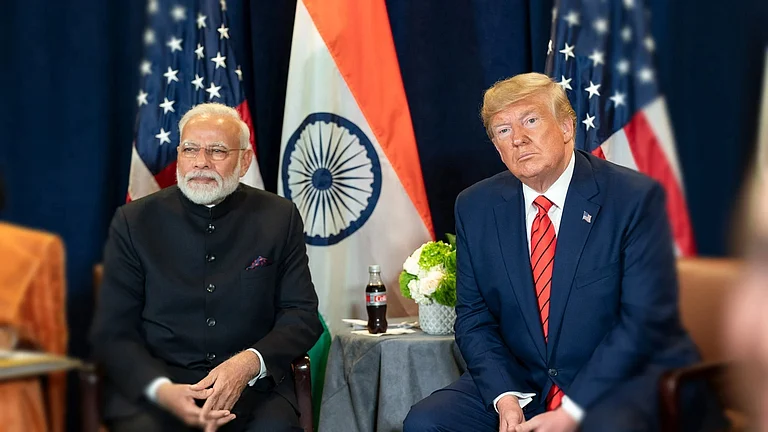
The report added that targeting India would not necessarily achieve Washington's objective, arguing that "China will find a way to continue importing Russian oil notwithstanding any sanctions."
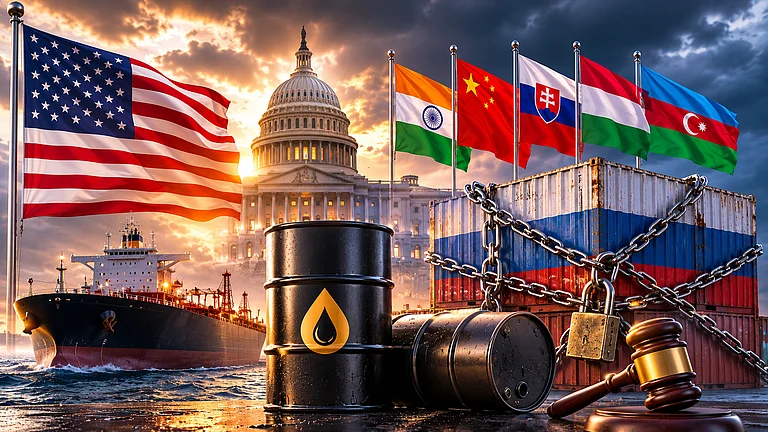
What Does The Revised US Bill Propose?
A bipartisan group of US senators has introduced the Lindsey Graham Russia Accountability Bill, aimed at increasing economic pressure on Russia over the Ukraine conflict.
Advertisement
The revised proposal authorises the US administration to impose tariffs of up to 100% on countries identified as the largest buyers of Russian crude oil. Senator Richard Blumenthal identified China, India, Slovakia, Hungary and Azerbaijan among the countries that could face the tariffs.
The legislation also targets buyers of Russian natural gas but provides exemptions for countries importing less than 15% of their gas from Russia if they are already reducing purchases, a provision that shields several European allies.
The revised version is significantly softer than the original proposal, which had envisaged tariffs of up to 500%. It also grants US President Donald Trump the authority to waive sanctions if he determines they are not in the national interest of the United States.
Advertisement
According to Reuters, the changes reflect Washington's recognition that isolating Russia has become increasingly difficult without affecting strategic partners such as India.
Why India Is Concerned
India's concerns extend beyond the proposed tariff rate. Since Russia's invasion of Ukraine in 2022, India has substantially increased imports of discounted Russian crude as Western buyers reduced purchases.
According to data from the Ministry of Commerce, India imported goods worth $55.37 billion from Russia during FY26. Although annual imports declined 13.23% from the previous year, imports rebounded sharply in recent months, rising 18.06% year-on-year to $7.35 billion in April 2026.
India's crude imports from Russia also reached a record high in June following disruptions to Gulf energy supplies amid tensions in West Asia.
The report noted that the original proposal would have imposed tariffs on all Indian exports entering the United States rather than targeting oil imports alone, potentially affecting the broader commercial relationship between the two countries.

Potential Impact On India-US Relations
The proposed legislation comes as India and the United States continue negotiations on a bilateral trade agreement and deepen cooperation across defence, technology, supply chains and the Quad framework.
According to Reuters, the revised bill attempts to balance pressure on Russia with the need to preserve strategic relationships by lowering the tariff ceiling and introducing presidential waiver provisions.
While the softer proposal offers greater flexibility, India maintains that its purchases of Russian crude are driven by energy security considerations and market conditions rather than geopolitical alignment.
The presidential waiver provision could ultimately prove critical, giving Washington discretion over whether and when tariffs are imposed, even if the legislation is enacted.