The Bill identifies India, China, Slovakia, Hungary and Azerbaijan as the five largest buyers of Russian crude
It introduces an exemption for countries importing less than 15% of Russia's natural gas exports
If approved, it would mark the first time the US Congress has explicitly authorised tariffs as a geopolitical tool
A bipartisan group of US senators has unveiled a revised Russia sanctions bill that reduces the proposed tariffs on India, China and three other major buyers of Russian oil from the earlier proposed 500% to a maximum of 100%.
The updated legislation, introduced in the US Senate on Tuesday, aims to increase pressure on Moscow over the war in Ukraine while using tariffs as leverage against countries that continue purchasing Russian energy.

1 October 2026
Get the latest issue of Outlook Business

The proposal identifies India, China, Slovakia, Hungary and Azerbaijan as the five largest buyers of Russian crude that could face tariffs of up to 100%, as per Reuters.


The revised measure is a significant change from the earlier version of the bill, introduced in April 2025, which proposed blanket tariffs of 500% on countries importing Russian oil and gas.
The latest draft also includes broader sanctions targeting Russia's financial sector, energy industry, defence industrial base, oligarchs and President Vladimir Putin.
Richard Blumenthal, Democratic Senator from Connecticut, said the legislation goes beyond tariffs. "It's been referred to as a tariffs bill, but actually it imposes full blocking sanctions on wide swaths of the Russian economy, including its energy industry, financial industry, defence industrial base, oligarchs, business people, and Vladimir Putin himself," Blumenthal told reporters, as per PTI.
Advertisement
"It imposes tariffs that are targeted: narrowly limited to the five major purchasers – up to 100% – with waiver authority that is narrowly tailored and constricted. And those five major purchasers, right now, of oil are China, India, Slovakia, Hungary, Azerbaijan," he added.
Exemptions And Waiver Provisions
The revised bill introduces an exemption for countries importing less than 15% of Russia's natural gas exports, provided they are taking meaningful steps to reduce their dependence on Russian supplies.
Senate aides said this provision could exempt countries such as Japan, France, Hungary and Belgium from the tariff measures linked to natural gas imports.
Advertisement
The legislation also authorises sanctions on Russia's so-called shadow fleet of oil tankers, the Russian central bank, major financial institutions and large state-backed energy projects, including Yamal LNG and Arctic LNG projects, as per Reuters.
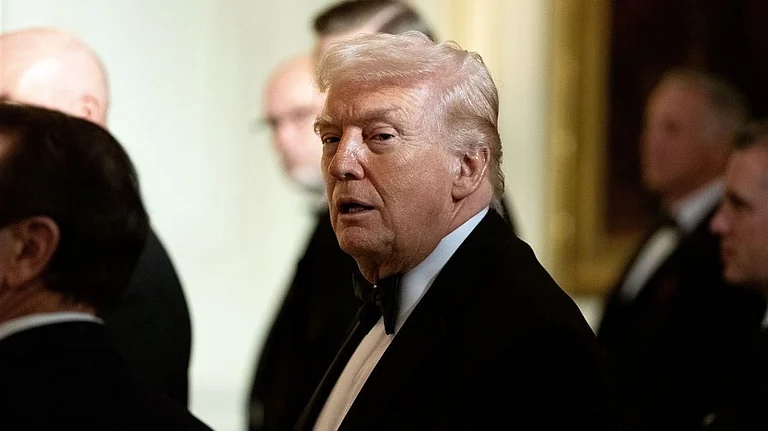
Another key addition is a provision allowing US President Donald Trump to waive the sanctions if he determines that doing so is in the US national interest.
Tribute to Lindsey Graham
The bill was presented by Republican and Democratic senators as a tribute to Senator Lindsey Graham, who died on Sunday after championing the legislation for more than a year.
Graham had said during a visit to Ukraine shortly before his death that he had reached an agreement with President Trump to move the bill forward.
Republican Senator Katie Britt said Graham had worked "tirelessly, relentlessly" to bring the legislation together and believed it would become the most consequential measure of his career, as per PTI.
Republican Senator Roger Wicker described it as Graham's greatest contribution towards preserving peace in Europe.
Calling for swift action, Democratic Senator Jeanne Shaheen urged lawmakers to seize the "narrow window to pass the legislation."
If approved, the bill would mark the first time the US Congress has explicitly authorised tariffs as a geopolitical tool to penalise countries accused of helping finance another nation's war effort.