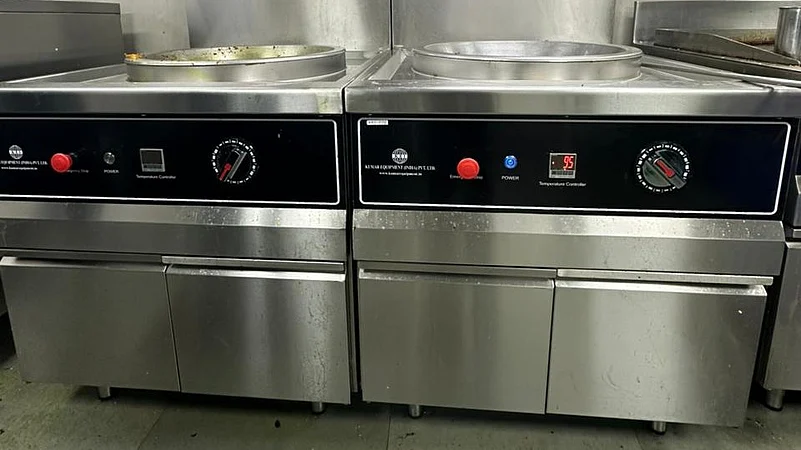

HungerBox invests ₹3.5 crore to transition institutional kitchens to electrical cooking systems
Over 70% of Indian kitchens face risks due to 60% fuel import dependence
The initiative replaces LPG infrastructure with induction to ensure high-volume service continuity
Foodtech platform HungerBox is moving to reduce dependence on LPG in institutional kitchens by supporting a transition to electrical cooking systems, including induction-based infrastructure.
The shift comes as ongoing supply disruptions continue to impact commercial food operations across India.
1 September 2026
Get the latest issue of Outlook Business

The company said it has invested more than ₹3.5 crore to help partner kitchens maintain output and service continuity amid LPG shortages, import dependence, and geopolitical disruptions.

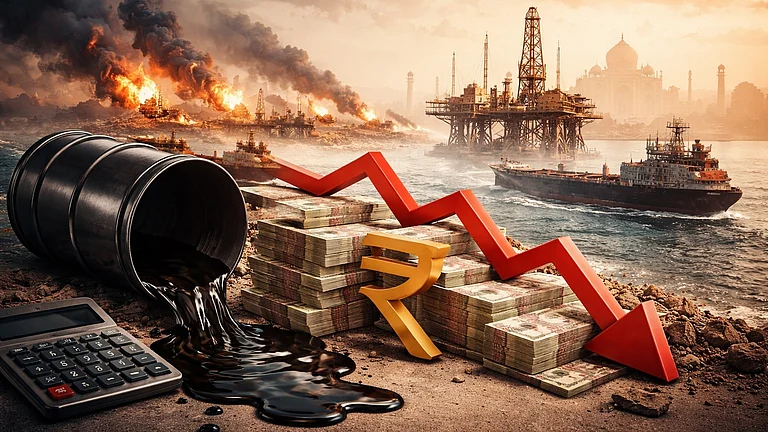

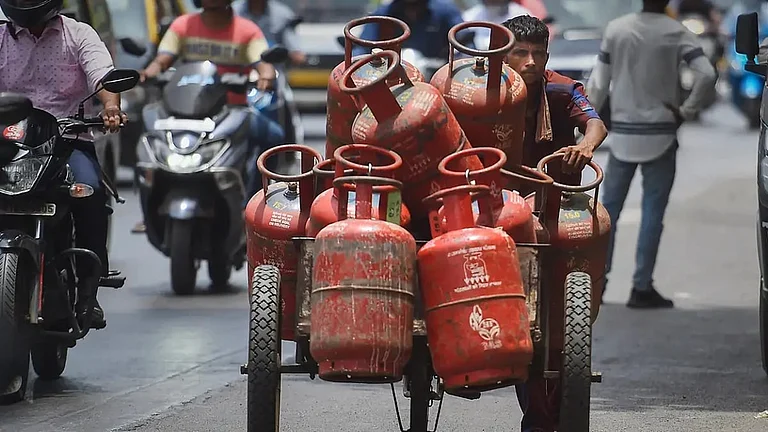
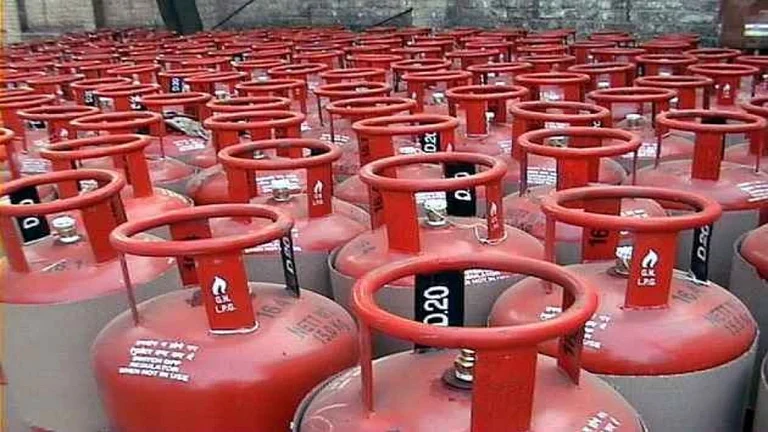
These challenges have exposed vulnerabilities in the sector, particularly as over 70% of institutional kitchens rely on LPG, while India imports more than 60% of its fuel requirements.
As a result, supply constraints are forcing some kitchens to cut output, limit menu offerings, and operate with greater uncertainty, posing risks for businesses that depend on consistency and scale.
HungerBox co-founder Uttam Kumar said the disruption has highlighted the limitations of the current energy model. He noted that the company chose to act early because continuity in food services is critical, and the investment in electrical infrastructure is intended as a long-term solution rather than a temporary fix.
Advertisement
According to him, institutional kitchens need to become more resilient, diversified, and less exposed to external fuel shocks.
The company’s move reflects a broader shift in the industry from short-term crisis management to long-term infrastructure transformation. HungerBox believes electricity, supported by the growing availability of commercial-grade appliances, is emerging as a viable foundation for high-volume food operations.
Over time, this model could also integrate renewable energy sources such as solar power, further reducing exposure to supply volatility.
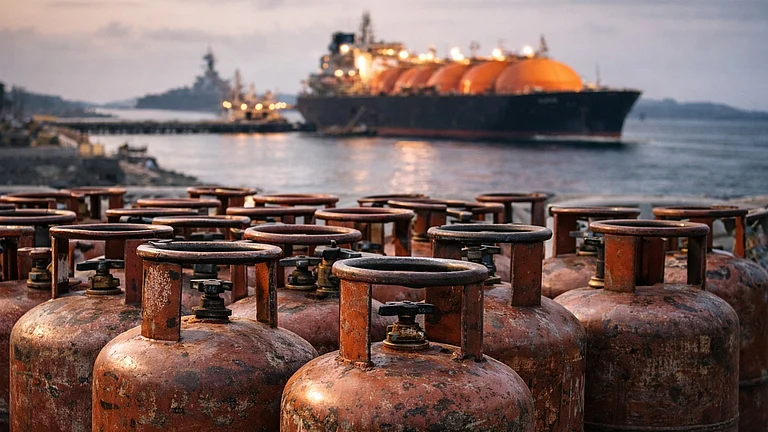
Drawing a parallel with the rapid adoption of digital payments following demonetisation, HungerBox suggests that the current LPG crunch could accelerate the transition toward cleaner, more reliable, and self-sustained cooking systems in institutional kitchens.
Advertisement
Its approach combines financial support with infrastructure readiness, enabling partners to adapt without significant operational disruption. As the sector responds to fuel insecurity, the focus is expected to shift toward energy diversification and away from single-source dependence, helping build a more stable and future-ready institutional food ecosystem in India.