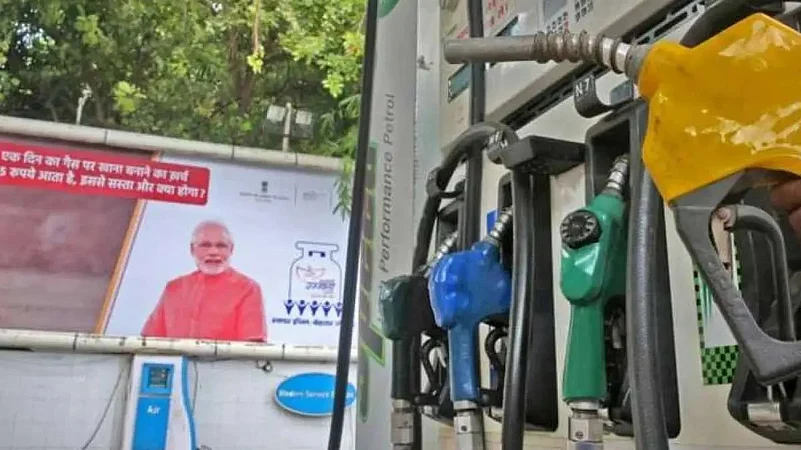

India increased windfall taxes on diesel and aviation turbine fuel (ATF)
The government reduced the export duty on petrol to ₹2.5 per litre
The revised duties will come into effect from July 16
India has increased windfall taxes on diesel and aviation turbine fuel (ATF) exports while reducing the levy on petrol exports, as higher global crude oil prices prompted the government to revise its fortnightly windfall tax rates. The revised duties will come into effect from July 16.
The export duty on diesel has been increased to ₹15.5 per litre from ₹8.5 per litre, while the levy on aviation turbine fuel has been raised to ₹14.5 per litre from ₹7.5 per litre.

1 September 2026
Get the latest issue of Outlook Business

In contrast, the government reduced the export duty on petrol to ₹2.5 per litre from ₹4 per litre.
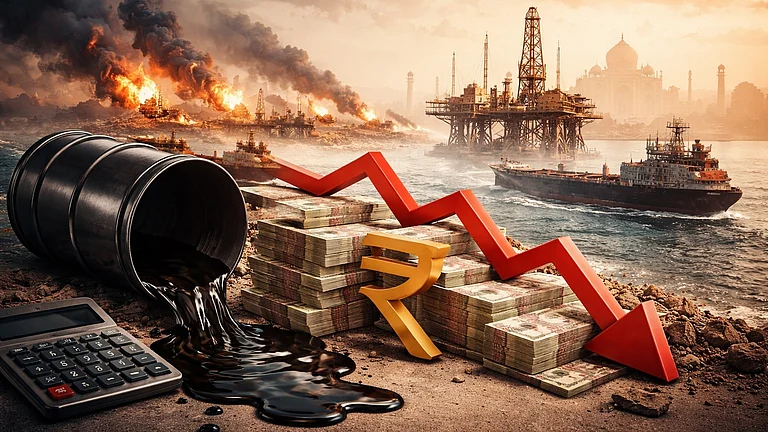


The changes were announced as part of the government's fortnightly review of windfall taxes, which are linked to movements in international crude oil prices and refining margins.
What Is A Windfall Tax?
A windfall tax is an additional levy imposed on companies that earn unusually high profits because of sharp increases in commodity prices rather than improvements in their underlying business operations.

In India, such duties are primarily imposed on exports of petroleum products when global crude oil prices and refining margins rise significantly.
Advertisement
The government reviews these taxes every two weeks and revises the rates depending on international crude oil prices and the profitability of fuel exports.
Oil Prices Rise On Middle East Tensions
The latest revision comes after crude oil prices climbed sharply following renewed hostilities between the United States and Iran, raising concerns over potential disruptions to global energy supplies.
Brent crude futures rose for a fourth consecutive session, gaining 33 cents, or 0.4%, to $85.28 a barrel, while US West Texas Intermediate (WTI) crude advanced 42 cents, or 0.5%, to $80.02 a barrel, as per Reuters.
Oil prices had surged earlier this week after US President Donald Trump reimposed a naval blockade on Iranian ports. Iran subsequently launched retaliatory strikes on US infrastructure in the region, fuelling fears of supply disruptions through the Strait of Hormuz, a key global oil transit route.
Advertisement

The escalation has supported crude prices amid concerns that prolongedtensions could affect global oil flows.