ATF and commercial LPG cylinder prices have been cut from July 1.
Nayara Energy reduced petrol and diesel prices at over 7,000 stations.
Government also lifted bulk fuel sale restrictions and raised petrol export duty.
Oil marketing companies have reduced aviation turbine fuel (ATF) prices by about ₹5 per litre, offering relief to domestic airlines as global crude oil prices soften. ATF will now cost around ₹110 per litre in Delhi, according to a July 1 report by news agency PTI.
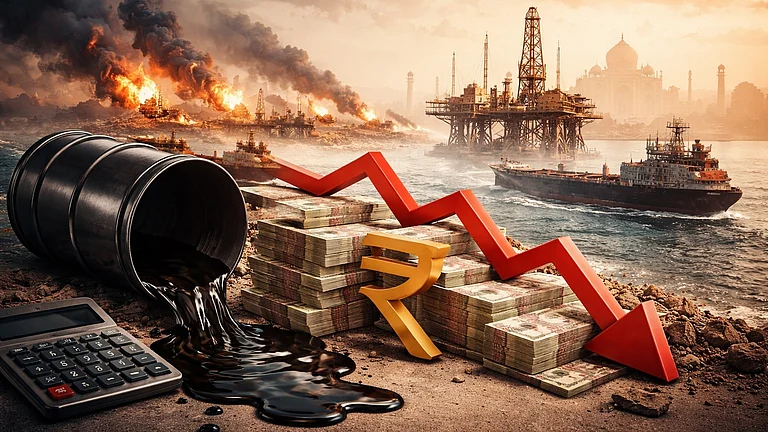
The reduction follows a surge in jet fuel prices to record levels during the conflict in West Asia. The Iran-Israel conflict had driven up global oil prices, pushing ATF rates higher. Energy prices have since eased after the United States and Iran agreed to a ceasefire.

1 September 2026
Get the latest issue of Outlook Business

Separately, the government on June 30 revised export duties on petrol, diesel and ATF for the fortnight beginning July 1, while keeping excise duties on petrol and diesel sold domestically unchanged.

Commercial LPG Cylinder Price Cut
This developments comes on the same day the government reduced the price of the 19-kg commercial LPG cylinder by ₹183.50, effective from July 1. The price of a commercial cylinder in Delhi has dropped to ₹2,930 from ₹3,113.50 earlier. This marks the first reduction in commercial LPG cylinder prices in 2026, following a series of sharp hikes earlier in the year. There has been no change in the price of the 14.2-kg domestic LPG cylinder used by households.
Advertisement
In January 2026, a 19-kg commercial cylinder in Delhi cost ₹1,691.50. Rates rose sharply in the following months, including two hikes in March, of ₹28 on March 1 and ₹114.50 on March 7. In May, commercial LPG prices rose by ₹993, taking the Delhi rate to ₹3,071.50, followed by a further increase of ₹42 on June 1.
Following the latest cut, commercial LPG prices have also declined in other cities. In Lucknow, the rate has fallen from ₹3,236 to ₹3,052.50, and in Kolkata from ₹3,255.50 to ₹3,081.50. In Patna, the 19-kg commercial cylinder will now cost ₹3,227.
The Centre has, however, raised the Special Additional Excise Duty (SAED) on petrol exports from ₹1.5 per litre to ₹4 per litre, effective July 1. The move is intended to discourage oil companies from exporting petrol for higher profits instead of supplying the domestic market. The government reviews such windfall taxes periodically based on international energy market trends and refining margins.
Advertisement
Nayara Energy Cuts Retail Fuel Prices
Notably, India's largest private fuel retailer, Nayara Energy, also reduced petrol prices by ₹5 per litre and diesel prices by ₹3 per litre across its network on July 1, in line with lower global oil prices, PTI reported. The revised rates apply at over 7,000 Nayara fuel stations nationwide. This is the first such cut in retail fuel prices by any company in over two years. Actual pump prices may vary across states depending on local taxes, including value-added tax (VAT).
Petrol and diesel prices from state-run retailers, Indian Oil Corporation (IOC), Bharat Petroleum Corporation Ltd (BPCL) and Hindustan Petroleum Corporation Ltd (HPCL), which together account for over 90% of India's fuel stations, remain unchanged.
In March this year, at the peak of tensions between Iran and the United States, Nayara Energy, majority-owned by Russia's Rosneft, had become the first company to raise petrol prices, by ₹5.30 per litre, and diesel prices, by ₹3 per litre, amid disrupted global oil supplies linked to the Strait of Hormuz.
The Centre also announced that from July 1, it will lift restrictions on state-run oil companies selling auto fuels to bulk consumers, and remove the 200-litre daily limit per vehicle for diesel sales. These restrictions had been in place since June 12, when disruptions linked to the blockade of Hormuz affected global energy supply.