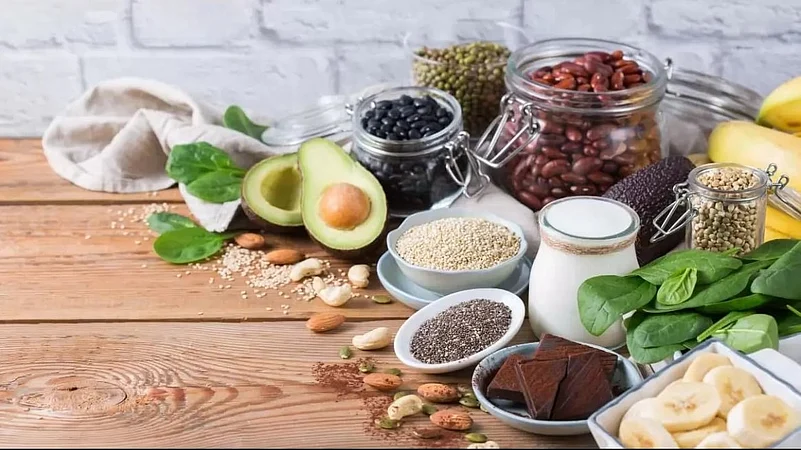

The India–EU FTA eliminates tariffs on food, beverages, and chemical products, making European goods more affordable in India.
Automobiles, machinery, pharmaceuticals, and labour-intensive sectors also see major duty cuts, boosting trade and market access for both sides.
While sensitive agricultural products remain protected, the pact opens opportunities for Indian exports, strengthens services trade, and supports SMEs.
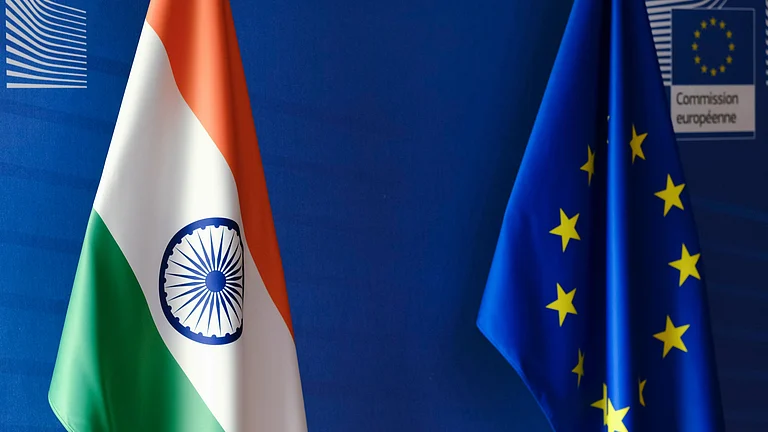
After nearly two decades of negotiations, India and the European Union (EU) have successfully concluded talks on a comprehensive Free Trade Agreement (FTA) that could reshape economic ties between the two regions. The agreement, often described as "Mother of All Trade Deals," was announced against the backdrop of India's 77th Republic Day celebrations with senior EU leaders present in New Delhi.
At the core of the newly concluded FTA are wide-ranging duty cuts and tariff eliminations on EU goods exported to India. This is seen particularly in sectors like food and chemicals, where both sides expect meaningful changes that could boost trade volumes.

1 September 2026
Get the latest issue of Outlook Business

While sensitive agricultural items such as dairy, beef, rice and sugar remain largely excluded from liberalisation to protect domestic producers and farmers, the broader agri-food value chain and certain processed goods are set to benefit from reduced tariffs.


Tariffs on olive oil, margarine and other vegetable oils will gradually go down from 45% to 0%. The current 33% duty on kiwis and pears will be reduced to 10% in-quota. While fruit juices and non-alcoholic beer will have a 0% import duty from the earlier 55%. Tariffs on processed food (breads, pastries, biscuits, pasta, chocolate, pet food) will gradually go down from 50% to 0%.
Advertisement
Notably, duty on sheep meat will go down from 33% to 0%, while that on sausages and other meat preparations will be reduced to 50% from the current 110%.

The chemical sector also figures prominently in the deal. Duties of up to 22% on chemicals are expected to be largely removed, offering European chemical firms easier access to India.
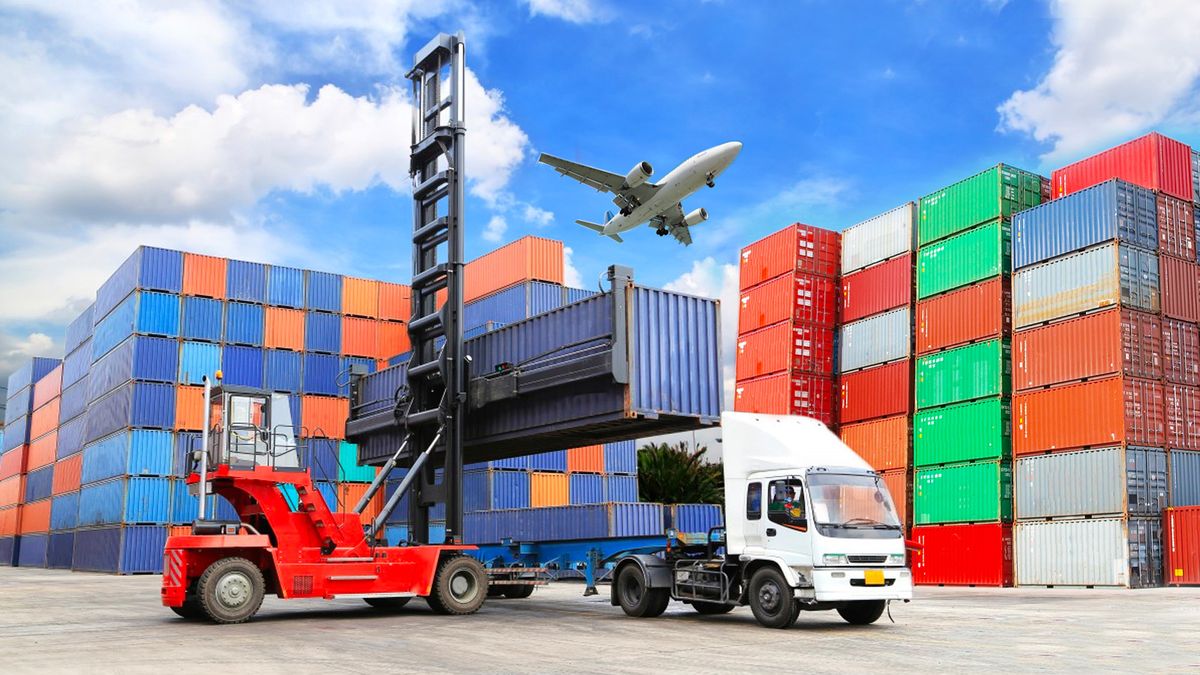
Beyond food and chemicals, the India-EU FTA includes phased tariff cuts across other key sectors. Import duties on European automobiles, previously as high as 110%, are planned to be cut to about 40% initially for select models above a set price point, and gradually to around 10% over time, representing one of the most significant openings of India’s auto market to foreign manufacturers. Triffs on machinery, pharmaceuticals and parts are also set for major reduction or elimination.
Advertisement
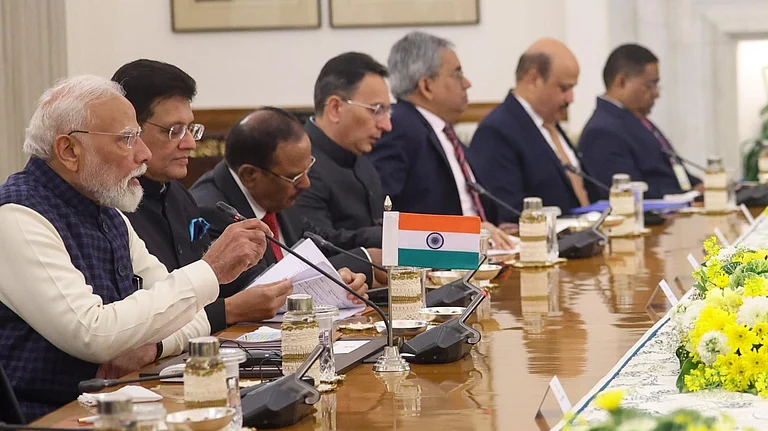
Indian exports are poised to benefit too. With EU tariffs on many Indian goods currently averaging around 3.8%, and higher on labour-intensive products like textiles and leather, reduced EU duty barriers under the FTA can enhance competitiveness for Indian firms in those markets. Meanwhile, the deal also covers services trade and includes provisions to help small and medium businesses tap new export opportunities.
The FTA is expected to be legally vetted, ratified by the European Parliament and India’s Cabinet, and may come into force as early as 2027, after which the tariff cuts and duty eliminations will be phased in over a period of years.
In its statement, EU said that the deal "will strengthen economic and political ties between the world's second and fourth largest economies", at a time of rising geopolitical tensions and global economic challenges. The FTA highlights India and EU's joint commitment to economic openness and rules-based trade, the statement further read.