Bessent is seeking to reshape the G20 agenda, with Washington pushing for reduced trade imbalances, stronger economic growth, deregulation and greater private-sector activity.
The Iran conflict and US tariff policies threaten to deepen divisions, as higher energy prices and trade uncertainty weigh on economies across the G20.
Rising US debt and bond yields add another challenge for Washington, with US public debt crossing $40 trillion and 30-year Treasury yields reaching their highest levels in nearly two decades.
US Treasury Secretary Scott Bessent faces a difficult test of economic diplomacy this week as G20 finance ministers and central bank governors meet in Asheville, North Carolina, amid growing tensions over trade, Iran and rising US debt, Reuters reported.
Bessent is seeking to use the US presidency of the G20 to push Washington’s priorities, including reducing global trade imbalances, boosting economic growth and cutting business ties with Iran. But the agenda comes against a backdrop of uncertainty over US tariffs, elevated energy prices and mounting concerns about the US fiscal position.

1 October 2026
Get the latest issue of Outlook Business

The meeting also risks exposing divisions within the group, which includes the US, China, Russia and major European and emerging economies.

Trade imbalances take centre stage
Reducing global trade imbalances is expected to be a major focus of the meetings. The Trump administration argues that government subsidies and other policies in major economies distort competition and contribute to persistent trade gaps.
Advertisement
China is likely to be central to those discussions. Weak domestic demand has encouraged Beijing to rely heavily on exports, with Chinese shipments of electric vehicles, semiconductors and other manufactured goods increasingly entering European markets.
European officials are expected to raise concerns over the pressure Chinese exports are placing on their domestic industries.
But economists argue that the US also needs to address its large fiscal deficit, which fuels domestic demand and imports. That argument is gaining prominence as US public debt has crossed $40 trillion and investors have become increasingly concerned about the country's debt trajectory.
US bond market adds pressure
The Treasury is also facing scrutiny over rising borrowing costs. Yields on 30-year US government debt recently reached their highest level in nearly two decades.
Advertisement
Bessent has sought to ease pressure in the bond market by doubling planned Treasury buybacks of longer-dated debt to $4 billion per operation. While the move briefly helped cool yields, it has also drawn criticism from some investors and raised concerns among central bankers about greater Treasury intervention in the market.
Iran war complicates the G20 agenda
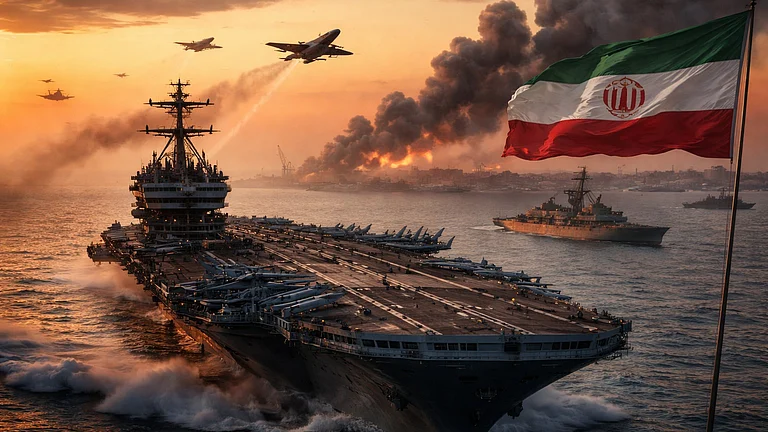
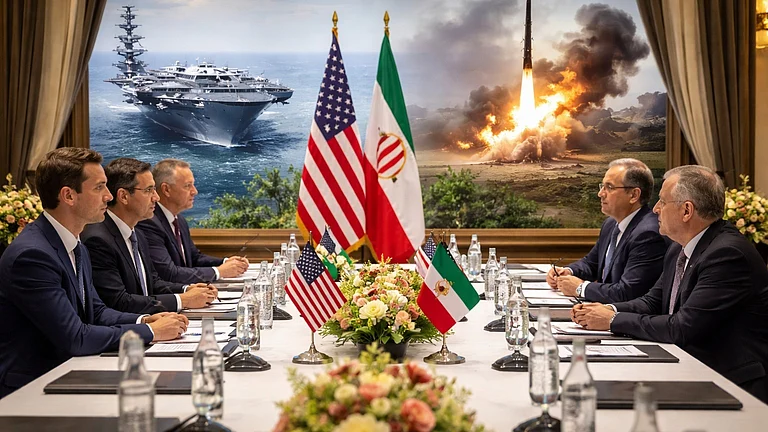
The conflict involving Iran is another major challenge. The continued closure of the Strait of Hormuz has pushed up energy and commodity prices and weighed on economic activity across G20 economies. Washington has also warned countries and businesses that they could face secondary sanctions if they continue buying Iranian oil or facilitating transactions with Tehran.
That puts several G20 members in a difficult position, particularly those whose economies are being affected by higher energy costs but do not support the US approach towards Iran.
Can the G20 find common ground?
Bessent is also seeking to refocus the G20 on growth, deregulation, increased energy production and private-sector innovation.
However, reaching consensus could prove difficult. The forum has struggled to agree on collective economic action in recent years, while trade disputes and geopolitical conflicts have deepened divisions among members.
The G20 was created as a leaders-level forum during the 2008 financial crisis to coordinate a global response to the economic downturn. Its last major collective economic response came during the COVID-19 crisis in 2020.
For Bessent, the Asheville meeting will therefore be about more than setting an economic agenda. It will test whether Washington can persuade a divided G20 to embrace its priorities while its own tariff policies, debt burden and approach to Iran remain major sources of disagreement.