Khamenei called on Gulf Arab leaders to identify and confront their “real enemy”, arguing that divisions among Muslim nations ultimately benefit their adversaries.
The appeal comes amid heightened Iran-Gulf tensions, with Tehran targeting US military facilities and infrastructure in Gulf states that host American forces while maintaining ties with Iran.
Khamenei’s message reflects Tehran’s broader push for Muslim unity, even as Gulf governments seek to balance their ties with Washington with efforts to avoid deeper confrontation with Iran.
Iran’s Supreme Leader Mojtaba Khamenei has called on Gulf rulers to unite against what he described as their “real enemy”, as the conflict involving Iran, the United States and Israel continues to heighten security tensions across West Asia.
In a message posted on Telegram during Islamic Unity Week, Khamenei urged Muslim countries to strengthen cooperation and mutual defence, arguing that divisions among them ultimately benefit their adversaries. Islamic Unity Week commemorates the birth of Prophet Muhammad.

1 October 2026
Get the latest issue of Outlook Business

“My emphatic and repeated recommendation to the rulers of Islamic countries, especially the countries of West Asia and the Gulf, is to identify your real enemy, understand his plan and confront it,” Khamenei said, according to Reuters.

Khamenei’s Appeal For Muslim Unity
The Iranian leader directed much of his message towards the rulers of the Gulf Arab states, linking regional security to greater unity among Muslim countries.
Advertisement
He questioned whether the Gulf states and their territories would face the same security threats if their governments and populations were united under what he called the “flag of Islam”.
Khamenei also invoked the situation in Gaza, asking whether Palestinians would have been left “so helpless” if Muslim countries had remained united.
He warned that those who deliberately or inadvertently create divisions between Muslim nations ultimately serve the interests of what he described as Islam’s enemies.
Iran-Gulf Tensions Resurface
The message comes as the wider conflict has raised security concerns across the Gulf.
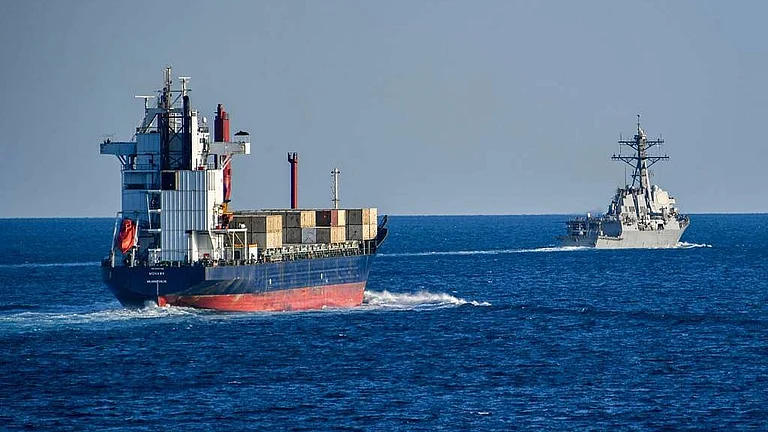
During the fighting, Iran has targeted US military facilities and other infrastructure in Gulf states. Several Gulf countries host American military forces while simultaneously maintaining diplomatic and economic relations with Tehran.
Advertisement
Iran’s relationship with the Gulf Arab monarchies has long been complicated. Following the 1979 Islamic Revolution, several Gulf states became concerned about Tehran’s revolutionary ideology, including its opposition to monarchies and its expanding regional influence.
Although Iran has improved relations with some Gulf countries in recent years, the latest conflict has exposed the underlying tensions once again.
Gulf governments now face a difficult balancing act: maintaining their strategic relationship with Washington while attempting to prevent their territories from becoming further entangled in a confrontation with Tehran.
Broader Message From Iran’s Supreme Leader
Khamenei’s appeal to Gulf leaders follows another message he issued to Iranians on Friday, in which he called on authorities to avoid rhetoric that could undermine social cohesion and public morale.
His latest intervention comes despite his continued absence from public appearances. According to Reuters, Khamenei has not appeared publicly since he was injured in US-Israeli airstrikes six months ago, in an attack that launched the Iran war and killed his father and predecessor, Ayatollah Ali Khamenei.
He has nevertheless continued to issue messages on Iran’s domestic and foreign policy.
His latest appeal to the Gulf monarchies comes at a time when Tehran remains under pressure from Washington, while Gulf governments confront growing security risks arising from the conflict.
The message reflects Tehran’s broader push for Muslim unity at a moment when the war has placed Iran’s relations with its Gulf neighbours under renewed strain.