India starts phased E85 fuel rollout to boost ethanol use and cut crude oil imports
E85 is ethanol blended petrol designed for flex-fuel vehicles without impacting engine performance
The rollout starts friday, supporting India’s ethanol push and marking a key alternative fuel milestone
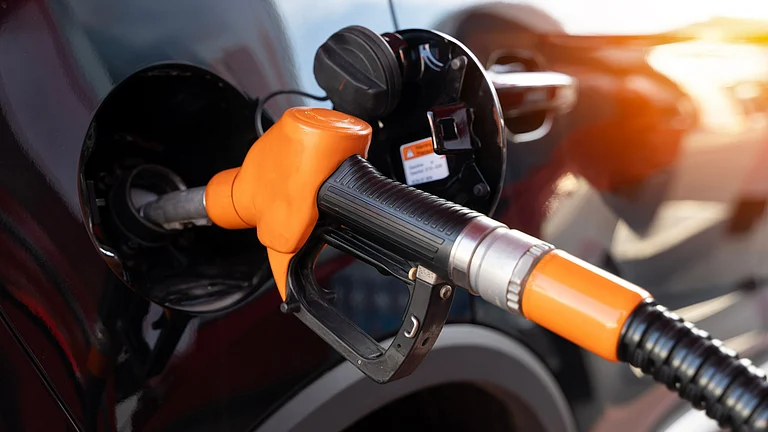
India’s oil marketing companies (OMCs) begin a phased rollout of E85 fuel on Friday, marking a key step towards increasing ethanol use in petrol and reducing dependence on imported crude oil. The move reflects India’s strong push towards cleaner mobility and alternative fuels.
E85 is a fuel blend made up of 80–85% ethanol and 15–20% petrol. It is meant for flex-fuel vehicles that can run on different ethanol levels without affecting engine performance.
The rollout begins on Friday and will be highlighted as part of India’s push to expand ethanol adoption across the transport sector. The initiative is being positioned as a milestone in the country’s alternative fuel journey.

1 September 2026
Get the latest issue of Outlook Business


E85 Rollout Begins
Indian Oil Corporation Limited (IOCL) said the first phase of the E85 rollout will cover around 50 fuel stations across Delhi-NCR, Mumbai, Pune and Nagpur.
In a statement on Thursday, the company said that the launch is being carried out along with other oil marketing companies and will be introduced on World Environment Day to underline its environmental focus.
Advertisement
The launch event is also expected to see participation from senior government officials including representatives from the Ministry of Petroleum and Natural Gas along with industry leaders.
The initiative supports Aatmanirbhar Bharat, promotes cleaner mobility, strengthens the biofuel ecosystem, benefits farmers and offers consumers a more sustainable fuel option, the company added.

Flex Fuel Policy Push
The government is preparing a broader policy framework aimed at increasing the adoption of flex-fuel vehicles in India, particularly those capable of running on higher ethanol blends such as E85.
Automakers have already started adjusting to this change. Maruti Suzuki India Limited and Hero MotoCorp Limited have introduced flex-fuel versions of models like WagonR and Splendor, showing early industry response.
Advertisement
This shift is also linked to India’s dependence on imported crude oil, which meets nearly 90% of its demand and makes the economy sensitive to global price changes.
India spent ₹10.92 trillion on crude oil imports in FY26. This is slightly lower than last year, but it is still a big cost for the economy.



Even small changes in global oil prices can quickly raise import costs. According to industry estimates, a $1 per barrel rise in crude oil prices can add about ₹18,000 crore to India’s annual import bill.