India’s crude basket has slipped below $70 a barrel, easing the import bill and inflation outlook, but consumers may not expect quick relief at the pump
Oil marketing companies are using improved margins to recover past losses, especially on diesel, and retail prices move only after sustained declines
Experts see possible cuts from August, timed around upcoming state elections
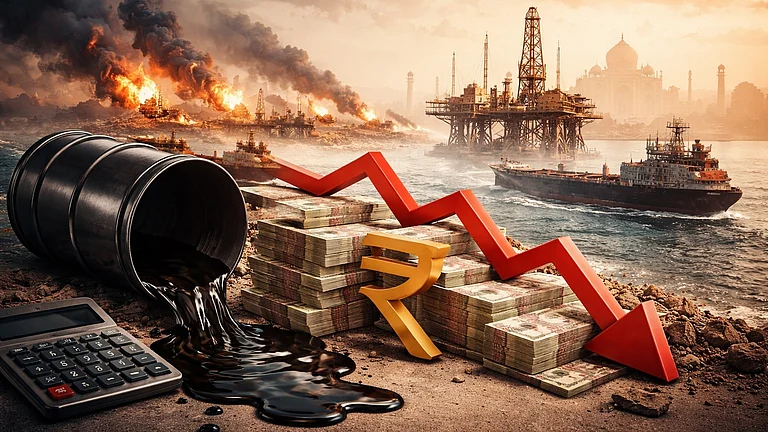
India’s crude oil import bill has eased after the average price of the Indian crude basket dropped below the $70-a-barrel mark for the first time since the Iran-US war disrupted global energy markets earlier this year.
The Indian crude basket averaged $68.86 per barrel on June 27, falling below $70 for the first time since geopolitical tensions in West Asia drove prices sharply higher, as per a report by NDTV.

1 September 2026
Get the latest issue of Outlook Business

The easing follows the ceasefire among Iran, Israel and the US, which reduced fears of supply disruptions through the Strait of Hormuz. While the decline has improved India’s macroeconomic outlook, experts indicate that consumers should not expect an immediate reduction in petrol and diesel prices.

Lower Crude Prices Offer Economic Relief
The fall in crude prices is expected to reduce India's import bill, ease pressure on the current account deficit and help moderate inflation.
India imports more than 88% of its crude oil requirement, making global price movements critical for the economy.

Advertisement
Lower crude prices could also benefit sectors such as aviation, logistics, manufacturing, chemicals and consumer goods by reducing input costs.
Why Petrol Prices May Not Fall Immediately
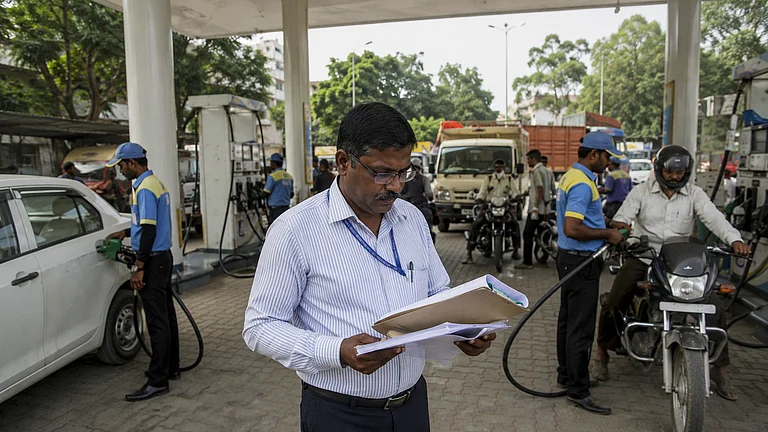
Despite cheaper crude, retail fuel prices are expected to remain unchanged for now. Oil marketing companies (OMCs) are likely to prioritise recovering previous losses and strengthening their balance sheets before passing on any benefit to consumers.
Domestic fuel prices are based on average international crude prices over a fortnight or a month rather than daily fluctuations. Any sustained decline in crude prices would therefore take time to reflect at petrol pumps.
State-run fuel retailers are currently earning marketing margins of around ₹5-6 per litre on petrol, while still losing ₹8-10 per litre on diesel, making an immediate price reduction unlikely, as per a report by the Hindustan Times (HT).
Advertisement
According to Shubhash Chandra Garg, Former Finance and Economic Affairs Secretary, the government may start rolling back petrol and diesel prices from August. "A full rollback might come soon thereafter, most likely before the next set of Assembly polls," Garg opined in an article published in Deccan Herald.

Why India Stopped Buying Iranian Oil
India ceased importing Iranian crude in May 2019 after the United States allowed sanctions waivers granted to major buyers of Iranian oil to expire.
Since then, Indian refiners have largely avoided Iranian crude to prevent exposure to secondary US sanctions.
Although Washington recently issued a temporary waiver permitting the production and sale of Iranian oil until August 21, refiners remain cautious because broader financial sanctions on Iran remain in place.
How Much Oil India Earlier Imported From Iran
Iran was once among India's largest crude suppliers. India imported 22.1 million tonnes of Iranian crude during 2009-10, accounting for 14.4% of total imports, as per a report by the Indian Express (IE).
After international sanctions intensified, imports declined before recovering under the Iran nuclear agreement.
Iran supplied 27.1 million tonnes of crude in 2016-17, making it India's third-largest supplier and accounting for 12.6% of India's crude imports. However, imports collapsed after sanctions were reimposed, falling to just two million tonnes in 2019-20 following the end of the US waiver.
Can Iranian Crude Actually Reduce Petrol Prices?
A temporary US sanctions waiver has reopened the possibility of Indian refiners purchasing Iranian crude, but experts believe any impact on domestic fuel prices will be limited.
Lower oil prices should instead encourage businesses to invest in cleaner industrial technologies rather than rely on temporary price relief, said Anup Garg, Founder and CEO of World of Circular Economy (WOCE), as per NDTV.
Even if discounted Iranian cargoes become available, their contribution to India's overall crude imports would remain relatively small.
Why Indian Refiners Are Still Hesitating
Payment mechanisms remain the biggest hurdle. Experts believe Indian refiners are unlikely to commit to large-scale purchases until there is greater clarity over sanctions, payment channels and the long-term policy direction of the United States.
Refiners considering Iranian crude will focus on three key factors: the durability of sanctions relief, pricing and discounts, and the availability of payment, insurance, shipping, and logistics mechanisms. Of these, payment remains the biggest hurdle, said Sumit Ritolia, Manager, Modelling & Refining at Kpler, as per IE.
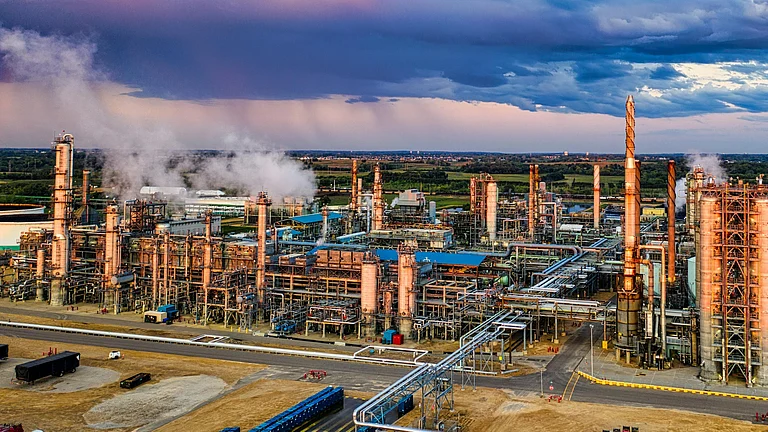
Even if crude trade is temporarily permitted, the banking side remains complicated. Iranian banks are still heavily sanctioned, so buyers would need to resolve the formalities of payment, documentation and settlement before any regular trade can resume, according to energy analyst Natalia Katona cited by IE.
Could Iran Challenge Russia As India's Biggest Supplier?
Industry observers believe that scenario remains unlikely in the near term. India has significantly diversified its crude sourcing over the past few years, reducing dependence on any single country.
India has also started to import its energy from the US to lower the dependency on the Russian oil due to US President Donald Trump's pressure.
Even if Iranian oil returns, China is expected to remain the dominant buyer because it already has established payment systems and logistics in place.
Analysts also expect discounts on Iranian crude to narrow as more buyers enter the market, reducing its commercial attractiveness for Indian refiners.
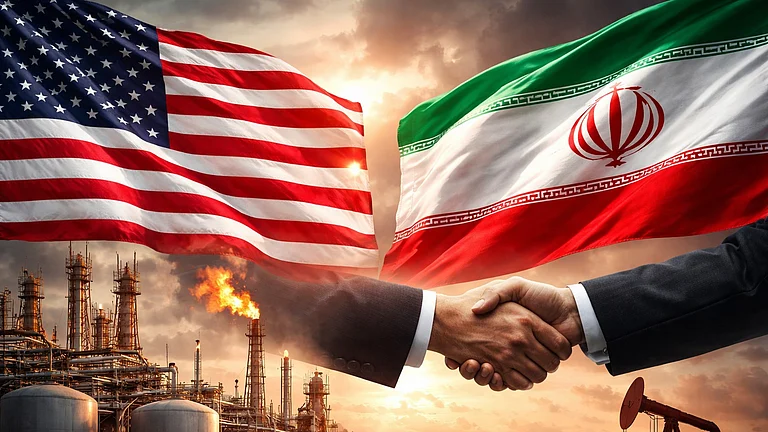
Unless sanctions are eased on a long-term basis and payment challenges are resolved, Iran is unlikely to displace Russia or other major suppliers in India's import basket anytime soon.