
India could face restrictions on importing ferrous and non-ferrous metal scrap from the EU
The EU's revised waste rules require non-OECD countries to demonstrate their ability to manage imported waste in an environmentally sound manner
The restrictions could raise scrap costs and put pressure on domestic recyclers and metal producers
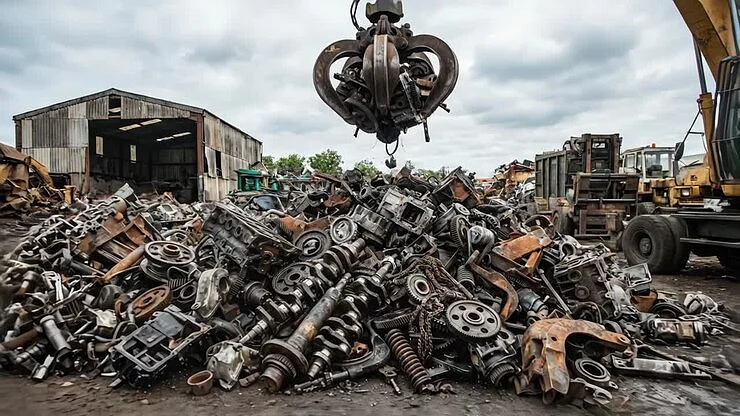
India could be restricted from importing metal scrap, including aluminium scrap, from the European Union from May 2027 under a new EU waste-export framework that is set to tighten rules for non-OECD countries.
The European Commission on September 18 published a draft list of non-OECD countries that could continue receiving non-hazardous waste from the EU, according to a report by Reuters.

1 September 2026
Get the latest issue of Outlook Business

India has not been proposed for inclusion for ferrous and non-ferrous metal waste, which covers scrap metals such as steel and aluminium, the report said.



The development comes shortly after the EU dropped a proposed 15% export duty on aluminium scrap, following concerns over its impact on trade negotiations with India.
The move follows the EU's revised Waste Shipment Regulation, adopted in 2024. Under the rules, exports of non-hazardous waste to non-OECD countries will generally be prohibited from May 21, 2027, unless the destination country demonstrates that it can manage the waste in an "environmentally sound manner", as per Reuters.
Advertisement
Non-OECD countries seeking continued access had to apply by February 21, 2025, and provide information showing their ability to handle imported waste safely.
India had sought relief from the EU, warning that restrictions could disrupt its steel and aluminium industries by tightening supply and increasing procurement costs.
The Commission received requests from 32 non-OECD countries for continued access to EU waste. Countries that are not included in the final list will be prohibited from receiving covered non-hazardous waste from May 2027. The list will subsequently be reviewed at least every two years, allowing countries to reapply.
Advertisement
The restriction is not an India-specific ban on all EU waste. India could continue receiving certain other waste categories, such as paper, wood, glass, textile and rubber, among others, but the draft does not include it for ferrous and non-ferrous metal waste, as per the EU's explanatory memorandum draft.
India is among several Asian countries facing restrictions under the proposed system. Bangladesh, Pakistan and Sri Lanka have also sought continued access to EU waste, but are not among the countries proposed to receive the relevant metal-waste streams.
The EU's revised waste rules could limit exports of the material to countries such as India, potentially keeping more scrap within the European market.
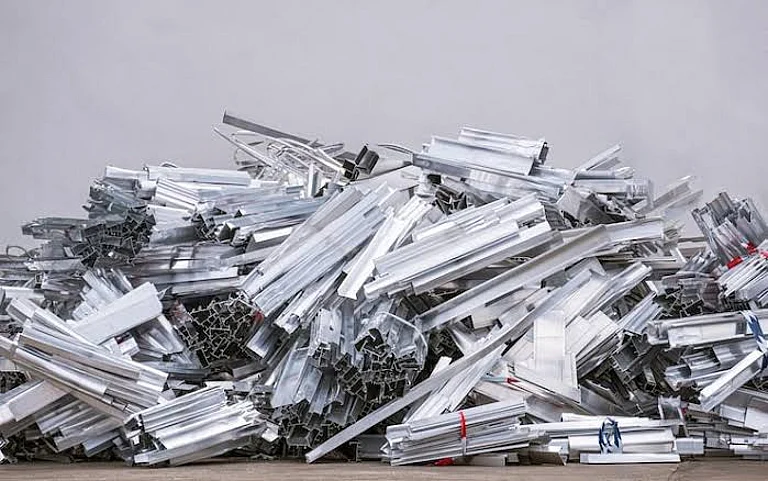
European Aluminium, an industry body, has supported measures aimed at retaining scrap as a raw material for recycling within Europe, per Reuters.
The proposal is not final as of yet and India can provide additional information during the EU process and seek inclusion in the final authorised list.
India is one of the biggest buyers of EU aluminium scrap, importing about 366,000 tonnes in 2025, as per Reuters.
The restriction could increase raw material costs for Indian steelmakers, aluminium producers, foundries and recycling companies that depend on imported scrap.
Indian buyers may need to source more scrap from other markets, potentially raising freight and sourcing costs.
The move could also put pressure on India's recycling industry and underscore the need to develop domestic scrap collection and processing capacity.