




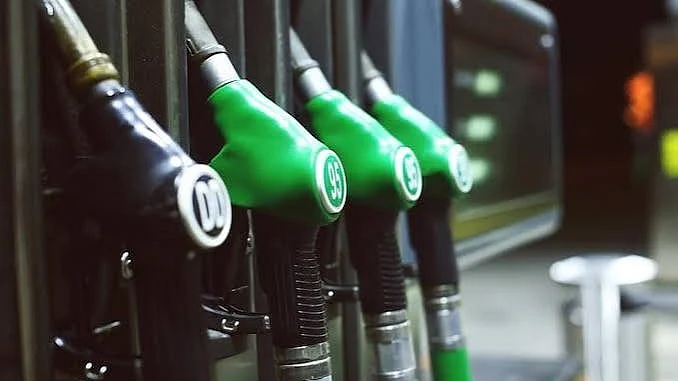

Renewable diesel made from waste feedstocks such as used cooking oil, agricultural residue and animal fats can help India reduce emissions, improve energy security and strengthen its circular economy.
Scaling renewable diesel production will require investments in advanced processing technologies, digitalisation, feedstock collection networks and supportive policy reforms.
Expanding the sector could reduce dependence on imported crude oil, create new economic opportunities and support India's long-term climate and sustainability goals.
A quiet transformation is underway in the fuels that power India's transport and industrial sectors. As the country seeks to sustain economic growth while advancing its climate commitments, increasing attention is being directed toward low-carbon fuels that can integrate seamlessly with existing infrastructure. Renewable diesel stands out as one such solution, offering the ability to convert everyday waste into a valuable energy resource.
At the same time, India faces a growing challenge in managing waste streams generated by rapid urbanization, industrialization and changing consumption patterns. What was once viewed primarily as a disposal problem is increasingly being recognized as an opportunity. Converting waste into fuel can simultaneously address waste management concerns, strengthen energy security and support the transition to lower-carbon transportation and industrial operations. Renewable diesel, produced from waste-based feedstocks, provides a practical and scalable pathway to achieve these objectives.

1 September 2026
Get the latest issue of Outlook Business

Waste Landscape: An Untapped Resource
India imports nearly 85% of its crude oil requirements, making energy security a strategic priority. At the same time, the country generates significant quantities of potential renewable fuel feedstock. Used cooking oil from households and restaurants, agricultural residues from crops such as rice, wheat and sugarcane, food processing waste, and animal fats often remain underutilized or are disposed of inefficiently.
Advertisement
According to government estimates, India generates more than 3 million metric tonnes of used cooking oil annually, while agricultural residues run into hundreds of millions of tonnes every year. When not managed effectively, these waste streams can create environmental and public health challenges. With appropriate collection systems and processing infrastructure, however, they can become valuable inputs for a circular fuel economy.
This presents a dual opportunity, improving waste management while creating a domestic source of lower-carbon fuel. Renewable diesel aligns closely with India's broader circular economy ambitions, where waste is viewed not as a liability, but as a resource. By transforming waste into fuel, India can reduce emissions, improve resource efficiency and create value across multiple sectors of the economy.
Advertisement
Converting Waste into High-Quality Fuel
Converting diverse waste streams into a consistent, high-quality fuel is not a simple task. Feedstocks vary significantly in composition, impurity levels and availability, making advanced processing technologies essential for reliable operations and product quality. Modern renewable diesel facilities employ sophisticated pretreatment and hydroprocessing technologies capable of handling a wide range of feedstocks while meeting stringent fuel
specifications. Unlike conventional biodiesel, renewable diesel is chemically similar to petroleum diesel and can be used in existing engines and fuel distribution infrastructure without significant modifications when produced to specification.
Digitalization and automation are becoming equally important in improving plant performance. Advanced process controls, real-time monitoring and predictive analytics enable operators to optimize operating conditions, improve energy efficiency and maintain consistent product quality. As renewable diesel capacity scales in India, these capabilities will play an increasingly important role in ensuring operational reliability and economic competitiveness.
Technology providers with expertise in refining processes, automation and digital solutions can support producers in moving from pilot projects to commercial-scale operations. The combination of proven processing technologies and digital capabilities will be critical in making renewable diesel a scalable and commercially viable solution for India.
Unlocking Environmental and Economic Value
The environmental benefits of renewable diesel are becoming increasingly evident. Depending on the feedstock source and production pathway, renewable diesel produced from waste materials can reduce lifecycle greenhouse gas emissions by up to 70–80% compared with conventional fossil diesel.
At the same time, renewable diesel offers important economic advantages. Increasing domestic production can help reduce India's dependence on imported fossil fuels, strengthening energy resilience and reducing exposure to volatile global oil markets. The development of feedstock collection networks and processing facilities can also create new economic opportunities for farmers, waste aggregators, small businesses and rural communities.
As India continues to expand its industrial base and transportation infrastructure, renewable diesel can contribute to meeting growing energy demand while supporting national sustainability objectives.
Scaling Renewable Diesel Adoption
India has already established a strong foundation through its biofuel policies, waste-to-energy initiatives and long-term climate commitments. The National Policy on Biofuels and broader sustainability goals provide a supportive framework for the development of renewable fuels. The next phase of growth will require clear regulatory pathways, stable policy implementation and investment in feedstock collection infrastructure. These measures can improve investor confidence and accelerate deployment across the value chain.
Collaboration will be equally important. Partnerships among government agencies, technology providers, fuel producers, waste management companies and agricultural stakeholders can help build reliable feedstock supply chains, expand production capacity and maintain fuel quality standards. Supported by advancing technology and enabling policy frameworks, India is well positioned to emerge as a significant regional hub for renewable fuels.
Renewable diesel represents far more than an alternative to conventional fuels. It offers an opportunity to transform waste into a strategic energy asset while simultaneously addressing environmental, economic and energy security challenges. By leveraging technological innovation and India's abundant feedstock resources, the country can build a more circular and resilient energy ecosystem.




Continued investment in advanced processing technologies, digitalization and automation will be essential to scale production while ensuring operational excellence and consistent fuel quality. As part of a broader portfolio of low-carbon energy solutions, renewable diesel can play an important role in accelerating India's transition toward a more sustainable, secure and competitive energy future.
Disclaimer: The views expressed in this article are those of the author and do not necessarily reflect the views of the publication








