Delhi’s EV draft policy embraces an interventionist model that combines mandates with systemic reforms
It calls for integrated urban planning, interoperable battery swapping, stronger maintenance norms and pragmatic tools like safe harbour clauses and retrofitting mandates
It aims to balance urgency on air quality with administrative feasibility
Delhi’s draft Electric Vehicle Policy 2026-2030 marks an important turning point in India’s clean mobility transition. More than just another state-level EV roadmap, the policy reflects a larger shift in India’s thinking from merely incentivising electric vehicle adoption to actively redesigning the urban mobility ecosystem around electrification.
Delhi’s continuing battle against hazardous air pollution, rising congestion and growing climate vulnerabilities has rightfully underscored the urgency and necessity behind the draft EV policy.

1 September 2026
Get the latest issue of Outlook Business

Vehicular emissions remain one of the largest contributors to deteriorating air quality in the capital, particularly in winter months. A IIT Kanpur study found that road dust contributed 56% of PM10 and 38% of PM2.5 pollution, while vehicular emissions accounted for 9% and 20%, respectively.



Against this backdrop, the government’s decision to aggressively electrify high-usage segments such as 2W, 3W, buses, commercial fleets and government vehicles represents a necessary and forward-looking intervention.
The Delhi Model
The draft policy is ambitious by Indian standards. It proposes that from January 2027 only new e-3Ws can be registered in Delhi, while from April 2028 all new 2Ws must be electric. Alongside these mandates, the policy also focuses on charging expansion, battery recycling and fleet electrification to build an integrated clean mobility framework.
Advertisement

This sets apart Delhi from many earlier state EV policies: States like Maharashtra, Tamil Nadu and Uttar Pradesh largely focused on purchase incentives, tax exemptions and manufacturing support to stimulate EV adoption. Tamil Nadu, for instance, concentrated heavily on EV manufacturing ecosystems and supply chain investments, while Maharashtra combined consumer subsidies with early-bird incentives to accelerate uptake.
Delhi’s draft policy, however, signals the beginning of a more interventionist phase in India’s EV transition - one where adoption is increasingly driven through regulatory mandates alongside incentives.
Yet the policy’s real significance lies not only in its ambition, but in the conversations it has triggered around implementation readiness, financing and urban planning.
Advertisement
The Ecosystem Approach
One of the strongest emerging themes in stakeholder feedback is the need to deepen the EV ecosystem rather than focus only on market creation, thereby balancing demand and supply side interventions. The draft policy rightly prioritises electrification targets, but transitions of this scale require strong enabling systems underneath them.
Let’s take school bus electrification, for instance. The policy’s intent is commendable. Children are among the most vulnerable to vehicular pollution exposure and electrifying school transport could generate both environmental and public health benefits.
However, electric buses continue to involve significantly higher upfront capital expenditure than diesel or CNG alternatives. To address this, dedicated ‘Green School Grants’ can be introduced NTPC from the proposed EV Fund to cover a portion of the price differential and extending interest subvention support to e-school buses.
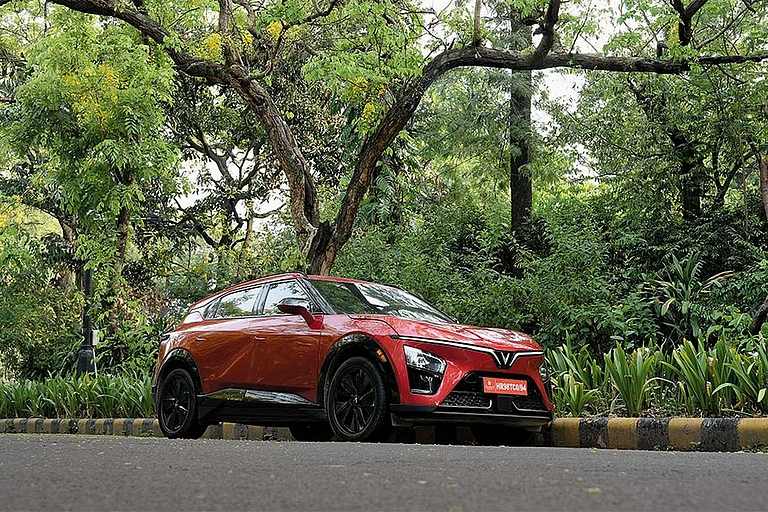
Equally important is the need for aggregated procurement models where multiple schools or transport contractors pool demand to negotiate better financing terms and pricing. Such approaches could prevent smaller operators from being excluded from the transition altogether and offer schools with a better bargaining position. This reflects an important policy principle often missing in EV discussions i.e. transitions must remain economically inclusive.
Delhi’s EV ambitions are enormous, but infrastructure readiness remains uneven. Charging density remains below projected requirements, while many public chargers continue to suffer from poor maintenance and operational issues as reinforced by independent expert assessments. This underlines the need for better urban planning integration, reliable charging infrastructure and stronger maintenance standards.
Battery swapping also requires greater attention. For high-utilisation segments such as e-rickshaws and e-2Ws, charging downtime directly affects livelihoods, while fragmented battery standards risk locking drivers into proprietary networks. Interoperability standards can therefore help create a more accessible and scalable EV ecosystem.
Another important aspect emerging from the policy discussions is workforce preparedness. EV transitions are not only about vehicles; they are also about mechanics, charging operators, battery recyclers and technicians. Proposals for workshop transition grants and large-scale EV skilling programmes recognise that clean mobility must also create a parallel employment transition. Without such measures, India, particularly Delhi risks creating technological adoption without adequate service ecosystems.
Importantly, these recommendations do not argue against ambition, but for ambition backed by institutional preparedness. Unlike manufacturing-led EV states, Delhi is responding to an air quality emergency, where aggressive targets reflect urgency rather than policy overreach.
At the same time, implementation flexibility will remain critical. Suggestions such as transitional ‘safe harbour’ clauses for existing procurement contracts, retrofitting mandates for existing government infrastructure and stronger fire safety norms for basement charging infrastructure all point toward a more pragmatic and administratively feasible transition framework.

The debate around Delhi’s EV policy reflects a larger national question: should India prioritise rapid electrification mandates or gradual ecosystem development? The answer is both. If implemented thoughtfully, Delhi’s draft EV policy could become a national model for integrating climate, public health and urban mobility priorities within a single framework.
(Ria Sinha is a Senior Research Consultant and Meheli Roy Choudhury is a Research Consultant at Chintan Research Foundation. Views expressed are personal.)