KPI Green plans launching infrastructure trust backed by operational renewable energy assets nationwide.
Proposed trust may raise nearly $1bn from institutional and retail investors.
India targets 500 GW non-fossil electricity capacity before decade’s end under climate commitments.
KPI Green Energy is planning to launch an infrastructure investment trust (InvIT) backed by renewable energy assets to raise up to $1bn, reported Reuters.
The trust will target an initial raise of 80 to 100bn rupees, Faruk Patel, Chairman and Managing Director of parent company KP Group told Reuters, adding that the InvIT is planned to be launched around the end of FY27-28.

1 June 2026
Get the latest issue of Outlook Business

Based in the western state of Gujarat, KPI Green Energy is turning to InvITs to broaden its capital base as India races to build 500 gigawatts of clean energy capacity by the end of the decade.
KPI Green tapped the debt market last year, raising 6.7bn rupees via a green bond backed by a 65% guarantee from GuarantCo, a Private Infrastructure Development Group (PIDG) company.
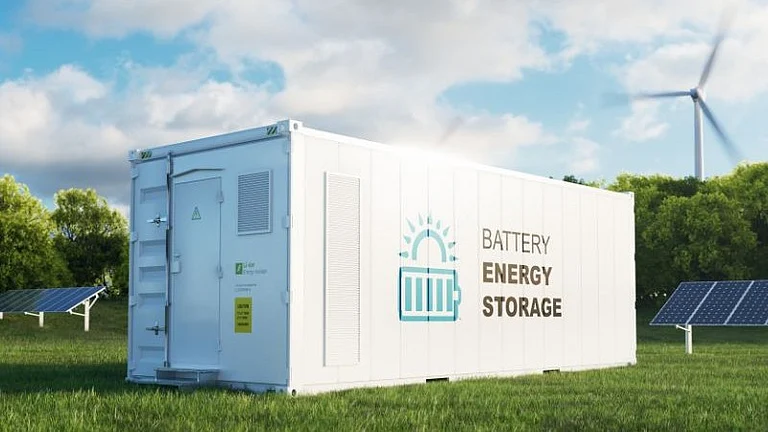
The proposed InvIT will hold 1.5-2 GW of operational solar, wind and hybrid power projects. Some of these assets have long-term power supply agreements with state-backed utilities, including Gujarat Urja Vikas Nigam and SJVN, Patel told Reuters.
What Is Infrastructure Investment Trust?
An Infrastructure Investment Trust (InvIT) is a SEBI-regulated collective investment vehicle, similar to a mutual fund, that pools capital from individual and institutional investors to invest directly in income-generating infrastructure projects.
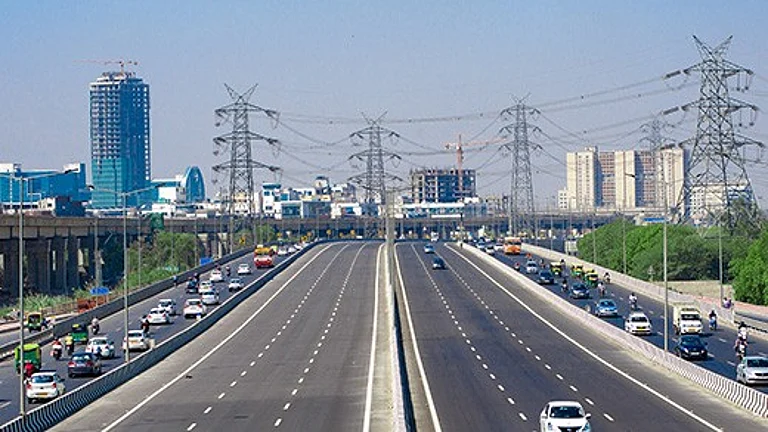
By housing operational assets like highways, power lines and telecom towers under a trust structure, InvITs allow developers to monetise completed projects and recycle capital. In return, investors receive regular passive income, as regulations mandate that InvITs distribute at least 90% of their net cash flows back to unit-holders.
There are 28 registered InvITs in India, as of March 2026, managing assets worth more than 7trn rupees, with a total market capitalisation of 2.60trn rupees, Reuters reported citing Bharat InvITs Association.
Renewable Energy Target for 2030
India’s primary target for 2030 is to achieve 500 Gigawatts (GW) of installed electricity capacity from non-fossil fuel sources, led by solar and wind power.
Under its Paris Agreement commitments, India also pledges that these clean energy sources will constitute 50% of its cumulative electric power capacity by 2030, a milestone the nation successfully surpassed five years ahead of schedule.