The retail inflation edged up to 4.45% in July 2026, driven largely by persistently high food prices, according to data released by the Ministry of Statistics and Programme Implementation. Inflation across several other categories remained relatively moderate during the month.
The latest figure is provisional and based on the new Consumer Price Index (CPI) series, with 2024 as the base year. Retail inflation stood at 4.38% in June.
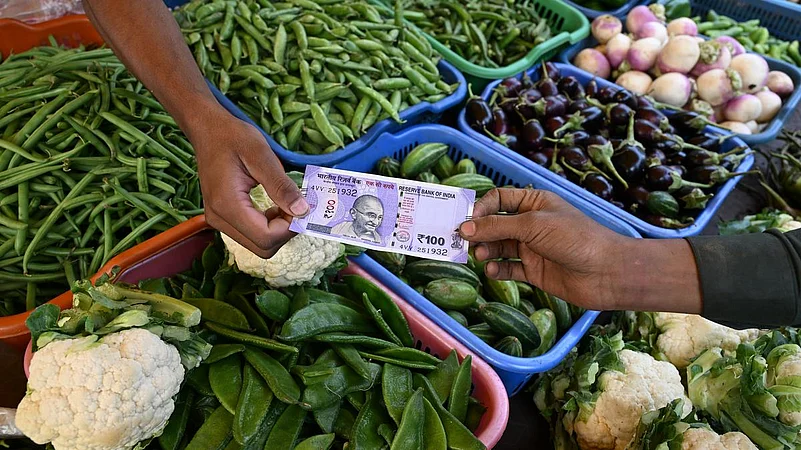
Food inflation, tracked through the Consumer Food Price Index, rose to 5.52% in July from 5.32% the previous month. The increase was more pronounced in rural areas, where food inflation came in at 5.79%, compared with 5.05% in urban areas, indicating that villages continued to face steeper food price pressures than cities.

1 September 2026
Get the latest issue of Outlook Business

Mixed Trends Across Food Items
Some everyday vegetables saw prices ease during the month. Potato prices fell 16.56% year-on-year, while lady's finger, peas and tomatoes also recorded declines.


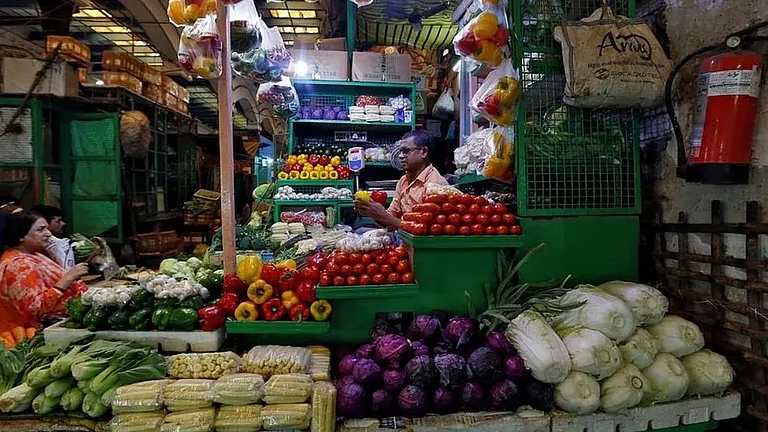
Other items, however, became considerably costlier. Ginger prices jumped 83.62% from a year earlier, garlic rose 35.36% and onion prices increased 22.54%.
Silver jewellery recorded one of the steepest increases, with prices up 109.84% year-on-year in July. Gold, diamond and platinum jewellery prices also rose sharply, by 32.98%. The surge in precious metal prices has been notable through the year and has added to inflation in the miscellaneous goods and services category.
Housing inflation stood at 2.22% in July, while inflation in restaurants and accommodation services was comparatively higher at 7.72%. The personal care, social protection and miscellaneous goods and services category recorded inflation of 14.77%.
Advertisement
Rural retail inflation stood at 4.84% in July, higher than urban inflation of 3.96%. Since food and essential items carry greater weight in rural household spending, the gap points to continued stronger price pressures for rural consumers compared with their urban counterparts.
Price data for July was collected from 1,407 urban markets, including online markets, and 1,465 villages across the country, the government said. The response rate stood at 100% for both rural and urban markets.
The next set of CPI inflation data, for August 2026, is scheduled for release on September 14.