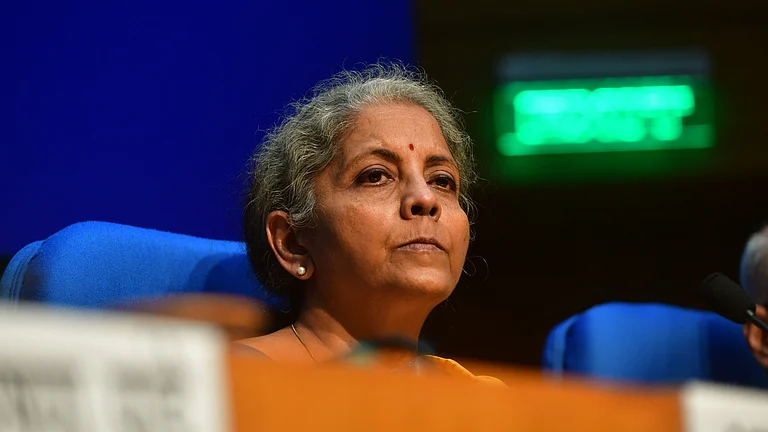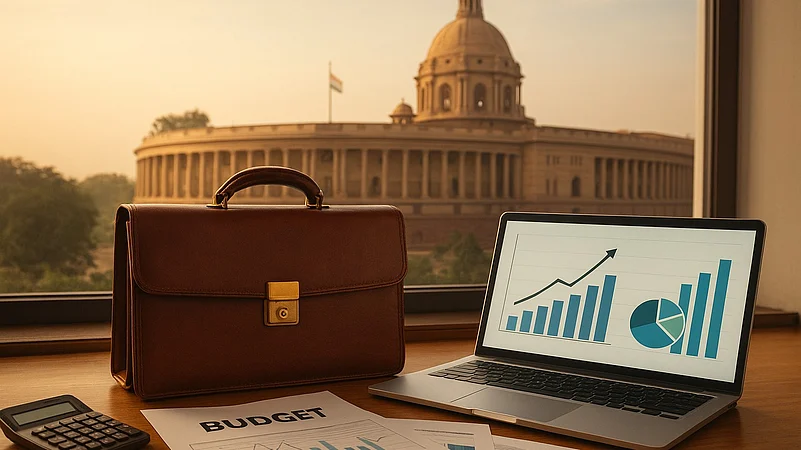

Finance Minister Nirmala Sitharaman will present the government’s main financial plan for next year
Interim budget is short-term and election-focused; full budget is comprehensive, covering the entire year with detailed financial planning
The government has yet to officially announce when the FY27 Budget will be tabled
Finance Minister Nirmala Sitharaman is expected to present the 2026–27 Union Budget on February 1, which is the government’s main financial plan for the year. This annual exercise lays out where the money will come from, how it will be spent, and what the government wants to focus on in the coming months.
But last year, the budget cycle played out differently. Sitharaman presented the 'interim budget' in February ahead of the Lok Sabha elections 2024. And a few months later, a full-fledged Union Budget was presented in July after the BJP-led NDA returned to the power for a third term.
This year, the government has yet to officially announce when the FY27 Budget will be tabled. Though February 1, 2026, is the tentative window. However, since that day falls on a Sunday and is marked as a restricted holiday, the final schedule is expected to be set by the Cabinet Committee on Parliamentary Affairs in January 2026.

1 September 2026
Get the latest issue of Outlook Business

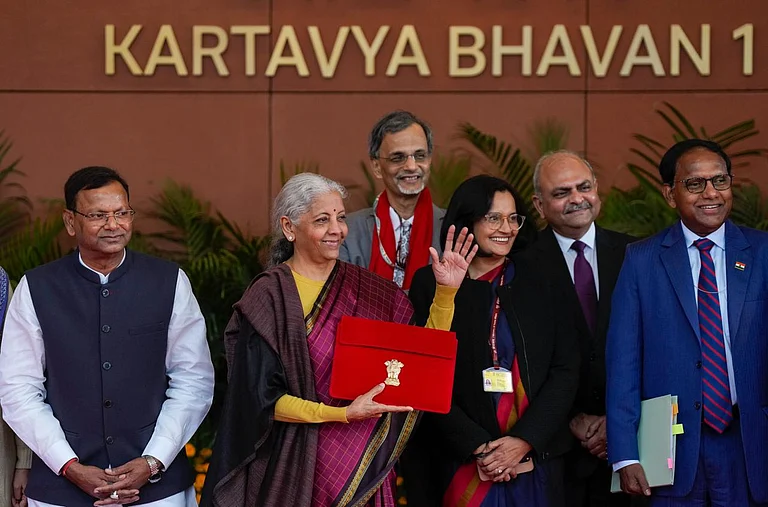
What Is An Interim Budget?
An interim budget is essentially a temporary financial plan presented by the government when elections are near. Its main purpose is to ensure that the government has the authority to spend on essential services until a new government takes office.
Advertisement
Unlike the full budget, it does not bring in new policies, big schemes or tax changes, because the new government may take its own decisions. Its main job is to keep the government running and make sure public services and essential projects continue without interruption.
It usually includes a brief overview of the current economy, government receipts, and expected expenditures. It is generally passed in Parliament as a vote-on-account, which allows the government to withdraw funds for day-to-day operations. There is no extensive debate or scrutiny like that of a full budget, as its aim is mainly continuity rather than policy changes.
Advertisement
What Is Full Budget?
If we talk about the Full Budget, it is the government’s detailed plan for the year. It shows how the government expects to earn money, where it plans to spend it and what its main policy priorities are.
Unlike an interim budget, the full budget is carefully examined in both the Lok Sabha and Rajya Sabha. Members of Parliament can review the proposals, ask questions and suggest changes before it is approved.
The full budget also includes major announcements, like new taxes, welfare schemes and funds for different government departments. For example, in 2024, Nirmala Sitharaman presented the full budget on July 23, highlighting the government’s priorities after taking office.
In short, the interim budget is temporary and only pays for essential government expenses during elections. The full Union Budget is for the entire year and lays out detailed plans for policies, taxes, and development work across the country.