LNG supply cuts from the West Asia war have forced major urea factories, including IFFCO, to shut down or pause operations.
Cooking gas is up ₹60 per cylinder, commercial LPG up ₹114.50, and supply shortages are already being felt with some restaurants warning of potential closures.
The Essential Commodities Act has been invoked to prioritise gas for homes and vehicles.
Several Indian fertilizer companies have shut down plants or brought forward their annual maintenance schedules after supplies of liquefied natural gas (LNG), the key raw material used to make urea, were cut off due to the ongoing war in West Asia.
Among those affected is Indian Farmers Fertiliser Cooperative (IFFCO), India's largest urea producer, according to a Bloomberg report.

1 October 2026
Get the latest issue of Outlook Business

Restarting a shut plant is not a quick fix. According to the report, it could take up to a month to get a paused facility back online, even after LNG supplies resume. Currently, gas reaching India's fertilizer industry is only around 70% of what it actually needs.



Notably, India is the world's largest importer of urea, the most widely used fertilizer globally. A prolonged shortage could force the country to buy more urea from international markets, driving up global prices and adding to the government's already heavy fertilizer subsidy bill.
Advertisement
The timing is particularly worrying, fertilizer demand peaks during India's monsoon season, which begins in June.

This crisis traces back to the closure of the Strait of Hormuz, the narrow but critical shipping route in West Asia, triggered by the escalating conflict between Iran and the Israel-US alliance.
West Asia supplies roughly 90% of India's LPG needs. Unlike crude oil, India holds no strategic reserves of LPG or LNG, leaving it especially vulnerable to such disruptions.
QatarEnergy, a major LNG supplier to India, has also halted production at a key facility amid the tensions. European natural gas prices have already surged nearly 40% in the past week alone as a result.
Advertisement
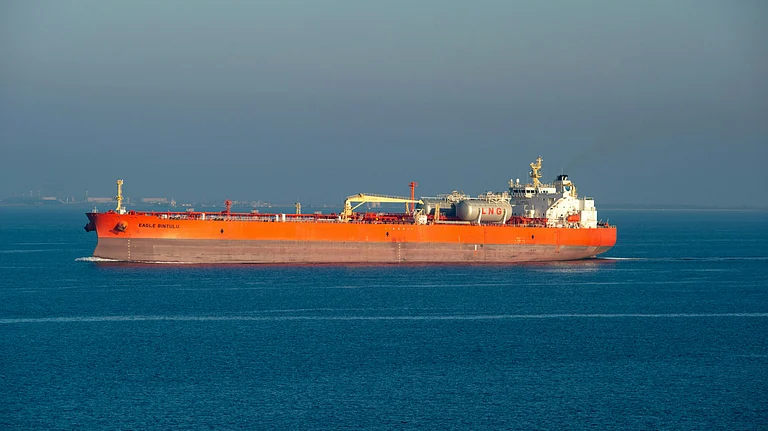
The disruption is already hitting Indian households and businesses. Domestic cooking gas (LPG) cylinders now cost around ₹60 more, while commercial LPG prices have gone up by ₹114.50 per cylinder.
Supply shortages have been reported in major cities including Mumbai and Bengaluru, with some restaurants warning they may be forced to shut if fuel availability does not improve.

It is to be noted taht the Centre has invoked the Essential Commodities Act, directing that natural gas be prioritised for sectors most critical to everyday life.
According to an order issued by the Ministry of Petroleum and Natural Gas (MoPNG), piped natural gas (PNG) for homes, compressed natural gas (CNG) for vehicles, and LPG production will take precedence over other industries that also rely on gas.