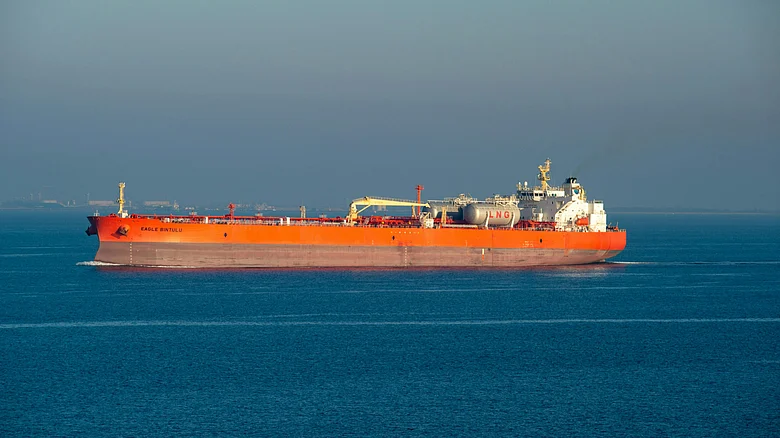

India may prioritise natural gas supply to critical sectors after Qatar LNG disruption.
Qatar supplies nearly half of India’s LNG imports, raising supply concerns domestically.
Government exploring alternative LNG sources and sector-wise gas allocation adjustments if needed.
India is considering prioritising natural gas supply to critical sectors after LNG (liquefied natural gas) shipments from Qatar were disrupted following an attack on QatarEnergy’s Ras Laffan liquefaction complex on March 2, reported Mint.
The move is of particular significance as India imports about 55% of its natural gas requirement. Further, of the $14.9bn worth of natural gas imports in FY25, Qatar’s share was about 50%, according to Petroleum Planning and Analysis Cell (PPAC) data.

1 October 2026
Get the latest issue of Outlook Business

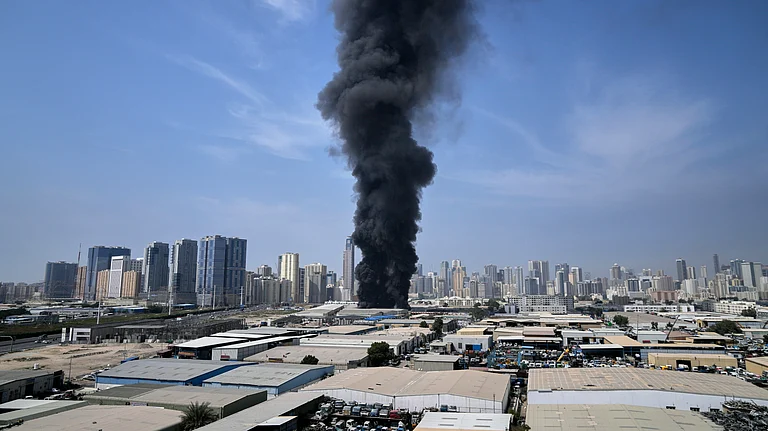
The Mint further reported that the government is looking at multiple options to ensure uninterrupted supply of natural gas, with one of the options being reprioritising gas allocation across sectors. That will be looked at if need arises.
Such a move would require discussions between different ministries including petroleum and natural gas, power and fertilisers, the first person added.
Citing officials, Mint reported that if such a move is implemented, gas allocation CGD networks—which involve piped cooking gas for households and compressed natural gas for transport—may be increased, with supplies diverted from non-priority sectors such as industries and power. Under the current norms, too, CGD is prioritised; however, the allocation may be further increased.
Advertisement
In addition, the country is looking at increasing LNG imports from alternative sources such as Australia and Papua New Guinea.
Supply Risks Amid Escalating Tensions in Middle East
The disruption in LNG shipments coincides with rising tensions in the Middle East as a result of the ongoing US-Iran conflict, which has started to impact global energy supply chains and infrastructure, according to Arab News. Early in March, Iranian drones attacked QatarEnergy-affiliated facilities at Ras Laffan Industrial City, stopping the production of LNG and causing the company to declare force majeure on LNG deliveries.
Advertisement
Qatar is the world’s largest LNG exporter and accounts for roughly 20% of global LNG supply, making any disruption significant for international energy markets. The shutdown has already pushed global gas prices higher and disrupted cargo shipments through the Strait of Hormuz, a critical energy transit route.
The effects might be especially severe for India. About 40–50% of India's LNG imports come from Qatar under long-term contracts, so protracted disruptions could reduce domestic gas supply and raise price volatility in industries like power generation, fertilisers and city gas distribution.