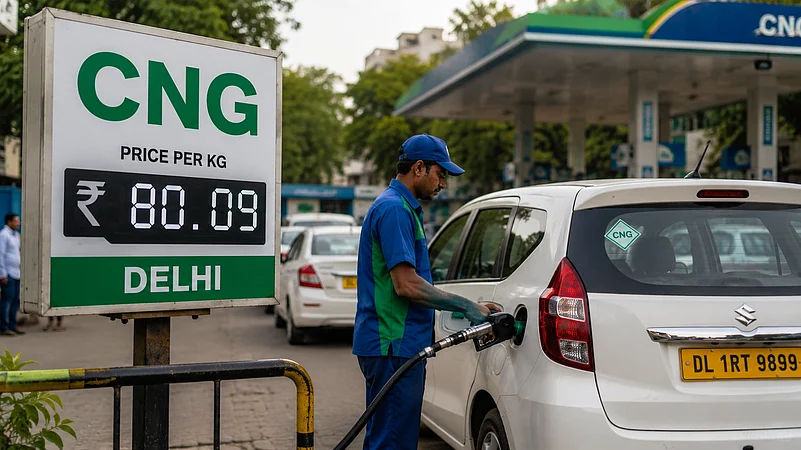

IGL raised CNG prices again in Delhi-NCR, pushing Delhi’s rate beyond ₹80 per kilogram first time
The fresh hike followed a ₹2 per kilogram increase on May 15, pushing Noida and Ghaziabad CNG prices to ₹88.70 per kilogram
Rising CNG prices may hit daily commuters, cab drivers and transport operators as travel expenses increase further
Fuel prices have increased again across Delhi-NCR, adding fresh pressure on daily commuters. Indraprastha Gas Limited (IGL) raised compressed natural gas prices by Re 1 per kilogram on Sunday, taking Delhi’s rate to ₹80.09 per kilogram for the first time.
The latest revision came only two days after compressed natural gas prices were increased by ₹2 per kilogram on May 15. Following the fresh hike, rates in Noida and Ghaziabad have now climbed to ₹88.70 per kilogram.
The increase is expected to affect people who rely on compressed natural gas vehicles for regular travel. Cab drivers, auto-rickshaw operators and commercial transport owners may feel the pressure quickly as higher fuel prices directly increase their daily running costs.

1 September 2026
Get the latest issue of Outlook Business


Why Fuel Prices Are Rising?
The latest compressed natural gas hike came days after petrol and diesel prices also increased across Delhi. Petrol rates rose by around ₹3 per litre to ₹97.77, while diesel prices climbed to nearly ₹90.67 per litre.
Global crude oil prices remain high due to tensions in West Asia involving the United States, Israel and Iran. The conflict has disrupted oil supplies and pushed fuel prices higher across global markets.
Advertisement
According to reports, the conflict began on February 28 and has continued to affect oil prices worldwide. As tensions increased, Brent crude crossed $100 per barrel, adding pressure on fuel-importing countries such as India.
Govt Defends Hike
Union Minister Kiren Rijiju defended the fuel price hike through a post shared on X (formerly twitter) on Friday. He said petrol prices in India increased by 3.2%, while diesel prices rose by 3.4% after the West Asia conflict.
According to the minister, several countries witnessed much steeper increases during the same period. He claimed Malaysia recorded an 89.7% rise in petrol prices and a 112.7% jump in diesel prices. The United States reportedly saw petrol prices rise by 44%, while China witnessed increases above 20%.
Advertisement
Rijiju also said public sector oil companies absorbed losses for weeks to protect citizens from higher inflation and economic pressure. He praised Prime Minister Narendra Modi for balancing economic stability with public welfare during the ongoing global fuel crisis.

Impact on Commuters
Despite the government’s explanation, the repeated compressed natural gas price hikes are likely to affect households across Delhi-NCR. Many residents who shifted to compressed natural gas vehicles to reduce travel expenses may now end up paying more every month.
Experts believe daily travel and delivery services may become more expensive if fuel prices continue to remain high. With global oil rates still above $100 per barrel and tensions continuing in West Asia, fuel prices in India may stay elevated in the coming weeks.