





Fuel price hike seen as start of broader correction amid rising oil losses
Wholesale inflation jumps to 8.3%, with further CPI pressure expected ahead
Reserve Bank of India may face pressure to reverse monetary easing
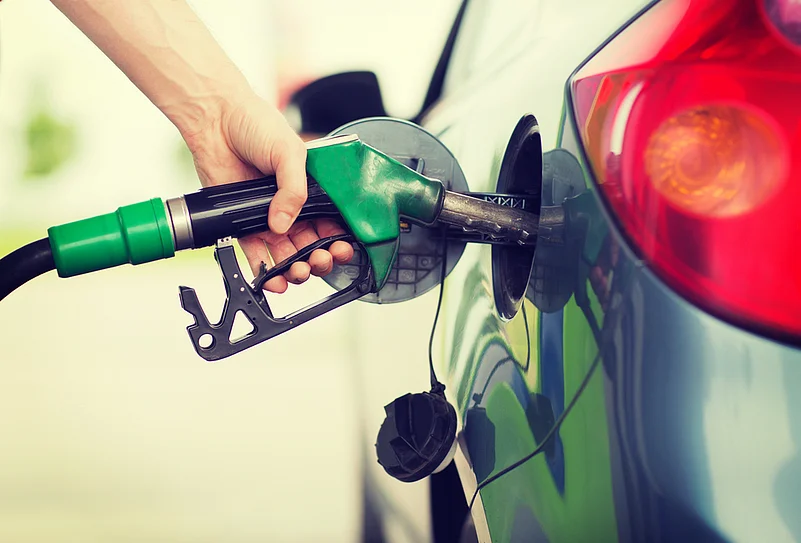
The ₹3 per litre increase in petrol and diesel prices announced last week was not a one-off correction. It was, according to a research report by Systematix cited by ANI, the starting in what is likely to be a series of hikes — and the inflation picture that sits behind it is considerably more troubling than official projections currently acknowledge.
The Systematix report stated that the recent hike covers only 7-8% of the cumulative under-recoveries built up over three months of selling fuel at unchanged prices — a burden the report estimates at between ₹1.7 and 1.8trn. With global crude potentially anchored above $100 per barrel for an extended period, several further rounds of price increases will be needed simply to close that gap. The initial hike, in other words, is almost certainly the beginning of a series rather than the end of one.

1 September 2026
Get the latest issue of Outlook Business

Growing Inflation & Risks
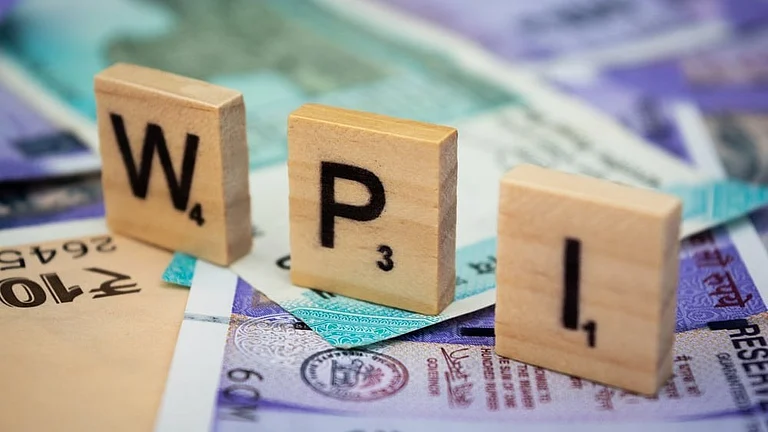
The inflation data for April 2026 provides the backdrop against which this is unfolding. Wholesale price index inflation surged to a 42-month high of 8.3%, with the fuel and power segment alone rising 24.71%. The report warns that WPI crossing the 10% mark is "not a tail risk" but "a plausible and near-term base case." Retail CPI inflation has yet to fully catch up to this wholesale momentum — but the report expects it to do so, particularly because the full impact of the fuel price hikes has not yet worked its way through the system, El Niño has not yet affected food supply chains, and fertiliser shortages have not yet fully rippled across agricultural input costs.
Advertisement
The divergence between what official forecasts project and what the underlying data suggests is becoming harder to ignore. The finance ministry's own revised estimate of 5.5 to 6% CPI inflation for FY27 already openly exceeds the Reserve Bank of India's 4.6% forecast. Systematix projects that official CPI forecasts will soon be revised to align with a more realistic range of 6 to 7% for the second half of the year. At those inflation levels, demand destruction becomes a serious risk — and GDP growth could compress well below the RBI's projected 6.9%.

Advertisement
The combination of slowing growth, persistent inflation and widening external stress creates an exceptionally uncomfortable set of circumstances for the RBI. The report warns that the rupee faces a real risk of breaching the 100 mark against the dollar, and that last year's monetary accommodation may need to be reversed — pushing rates higher at precisely the moment that growth is already under pressure. "A painful policy unwind" is how the report characterises what may lie ahead.
Dwindling capital flows and a widening trade deficit have raised the prospect of a third successive balance of payments deficit — a development that would amplify pressure on the currency and further constrain the RBI's room for manoeuvre.
Who Gets Hit
Agriculture faces a layered set of pressures: higher fertiliser prices, disrupted Gulf supply chains for urea, and the threat of a deficient monsoon arriving on top of an already stressed rural economy. With rural inflation running ahead of urban inflation, rural demand is increasingly vulnerable.
Industry and manufacturing are absorbing the cost shock through compressed margins, with chemicals, packaging, textiles, consumer goods, aviation and transport all feeling the squeeze from higher energy, logistics and input costs simultaneously.


For banking and financial services, the picture is particularly telling. Credit growth, the report notes, is partly being driven not by healthy underlying business activity but by distress-linked demand for working capital from firms whose cash flows are deteriorating — a distinction that matters considerably when assessing the quality and durability of that growth.









