Air India pilot on Phuket-Delhi flight AI2379 tested positive for marijuana after failing two dope tests.
A cockpit maintenance report revealed hydraulic faults and flight-control warnings that Air India's statements never mentioned.
The pilot reportedly partied with cabin crew in Phuket and was later seen on the cockpit floor during the altitude drop.
A week after an Air India flight suddenly lost altitude mid-air and left more than a dozen people injured, new and troubling details are emerging about the pilot at the controls that day.
A cabin crew member briefly stepping into the cockpit's jump seat, a party during a short layover in Phuket, and an apparent attempt to smooth things over with that same crew member are now part of the picture surrounding the pilot-in-command's final hours before the flight ran into trouble, according to a report by NDTV.

1 September 2026
Get the latest issue of Outlook Business

The flight in question, AI2379, was travelling from Phuket to Delhi on August 4 aboard an Airbus A320 when it suddenly dropped around 300 feet in altitude amid turbulence. The aircraft had 145 people on board, including 137 passengers and eight crew members. By the time it landed safely in Delhi, 20 passengers and four cabin crew members had been injured.

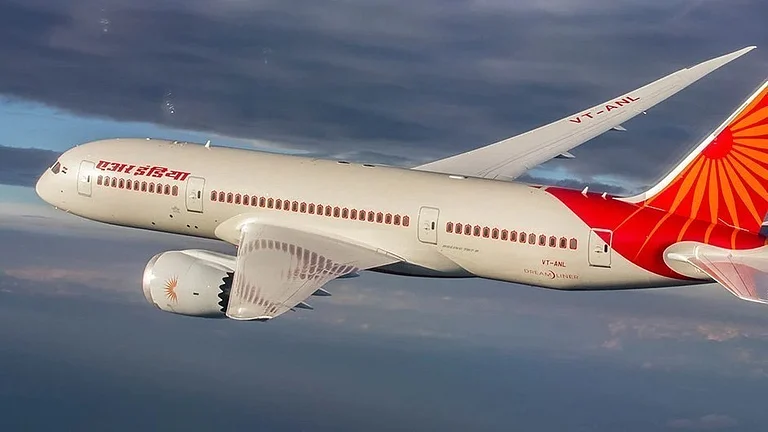

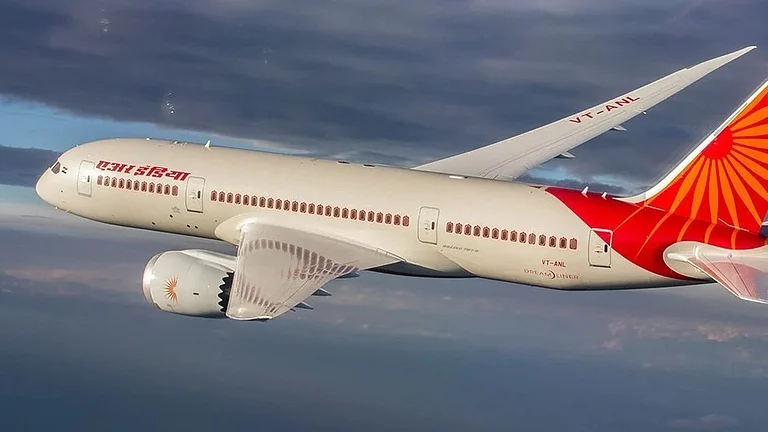
As the aircraft's stall warning went off and it began losing height, the pilot was found seated on the cockpit floor, the report said. He was also reportedly attempting to smoke during the flight, prompting cabin crew to step in and help him back into his seat. Control of the aircraft passed to the co-pilot, who landed it safely in Delhi.
Advertisement
What Maintenance Report Revealed
A maintenance report printed out in the cockpit after landing, timestamped 11:14 am on August 4, has pointed to a more serious technical picture than what was initially made public. The report indicates the aircraft suffered a series of hydraulic faults during the flight.
An A320 NEO typically runs on three separate hydraulic systems, designed so that if one fails, the other two can still power the flight controls, landing gear and brakes. On this flight, warnings appeared showing low pressure across all three systems at 9:32 am, along with low fluid levels in two of the reservoirs. Since hydraulics allow pilots to physically move the aircraft's control surfaces, warnings across multiple systems at once are considered far more serious than a single system fault, as the backup systems are also implicated.
Advertisement
Around the same time, the autopilot switched off, and a fault was flagged in the left and right elevator controls, which help the aircraft pitch up and down, the report indicates. Two emergency exit door warnings followed shortly after, one at 9:33 am for the right front door and another at 9:35 am for the right rear door. At 10:16 am, a fault linked to a valve pressure issue showed up in Engine 1's anti-ice system, and the autopilot disconnected a second time at 10:52 am.
A warning on such a report does not necessarily indicate a total system failure, and modern aircraft carry layers of redundancy, with pilots trained to handle such scenarios. Even so, a cluster of hydraulic and flight-control warnings occurring together is the kind of event that maintenance and safety teams would typically examine closely.
How Air India Described the Incident
Air India's public statements on the episode evolved over the course of the day and did not mention the hydraulic faults recorded in the maintenance report. Around two hours after the aircraft landed, at 1:14 pm, the airline issued its first statement, attributing the episode to a "brief in-flight turbulence-related event during cruise, resulting in a momentary change in altitude." It said there were no serious injuries, and that a small number of passengers and crew with minor injuries had been taken to a medical facility at the airport for precautionary examination.
Nearly five hours later, at 6:55 pm, the airline issued an updated statement that dropped the word "turbulence" but continued to describe the event in measured terms.
"Earlier today, Air India flight AI2379 operating from Phuket to Delhi experienced a sudden loss of altitude during cruise. After the momentary event, the aircraft continued normally and landed safely in Delhi at 11:07 am. The Airbus A-320 NEO aircraft was carrying 137 passengers and eight crew members. Of these, 13 passengers and four crew members sustained injuries and were taken to hospital for medical evaluation," the statement read. It made no reference to hydraulic failures or the technical warnings flagged in the maintenance report.

What the Drug Tests Showed
The pilot's ordeal did not end with the flight itself. His mandatory psychoactive-substance screening had come back "not negative," and his sample was sent to a designated laboratory for further testing. That confirmatory test found marijuana in his system, marking the second dope test he had failed, NDTV reported.
He was reportedly unable to stand straight after landing and had to be physically helped by an officer from the Aircraft Accident Investigation Bureau (AAIB) while submitting his urine sample. He was also told at the time that he was being monitored by CCTV. The pilot has denied consuming any psychotropic substance.
A Party in Phuket, An Attempt to Make Amends
The report traces the trouble back to the layover in Phuket, which lasted less than 24 hours. On the earlier Delhi-Phuket leg, the pilot had stepped out to the washroom and, as per protocol, asked a cabin attendant to take the jump seat in his absence. He went on to reprimand the same attendant, the report said. Wanting to make amends, he reportedly took the cabin crew out for a party during the Phuket stopover. Despite the gesture, at least one crew member has since filed a complaint against him over the alleged marijuana use.
After the aircraft landed in Delhi, the pilot reportedly walked into the passenger cabin to check on the injured. According to CNN-News18, he asked passengers not to record him and was seen wearing a shoe and sock on only one foot. The cabin crew later filed a formal complaint with Air India over his conduct during the flight.
Air India has not issued a statement addressing the specific allegations, or the hydraulic faults recorded in the maintenance report.