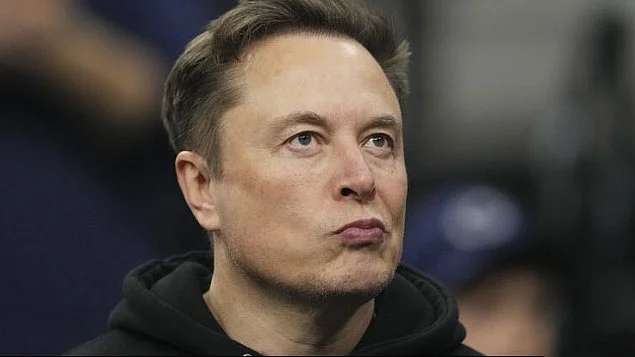


Elon Musk donated $38 million in 2015 to help found OpenAI as a non-profit organisation.
He is now seeking damages of $79 billion to $134 billion from the Sam Altman-led company, alleging he was defrauded.
Musk claims OpenAI and its largest investor, Microsoft, strayed from the original non-profit mission after their partnership.
Elon Musk donated $38 million in seed money in 2015 to help found ChatGPT maker OpenAI as a non-profit organisation. Now, reports claim he has demanded as much as $134 billion from the Sam Altman-led company, alleging that it defrauded him.
Musk is seeking damages estimated at between $79 billion and $134 billion from OpenAI Inc. and its largest investor, Microsoft, alleging that the company strayed from its original non-profit mission after forging a partnership with the software giant, according to reports.

1 April 2026
Get the latest issue of Outlook Business

The demand was outlined by Musk’s legal team in a court filing submitted on Friday, a day after a federal judge declined OpenAI and Microsoft’s attempt to block a jury trial scheduled for late April in Oakland, California.
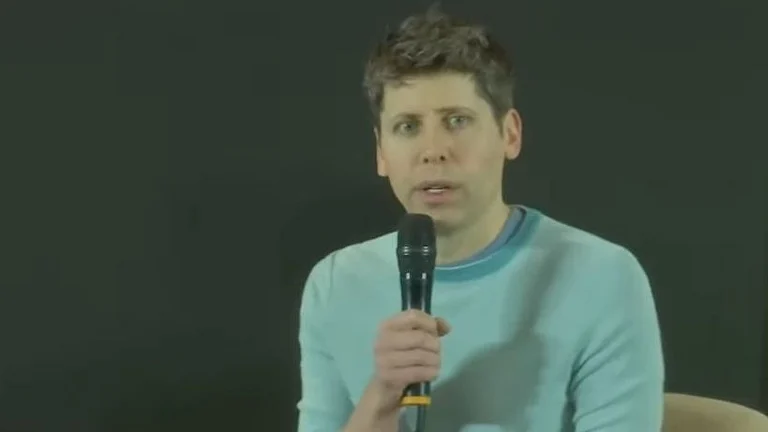


The filing, citing analysis by financial economist C Paul Wazzan, argues that Musk is entitled to a share of OpenAI’s roughly $500 billion valuation. It claims he was misled after contributing $38 million in seed funding to OpenAI when he co-founded the organisation in 2015.
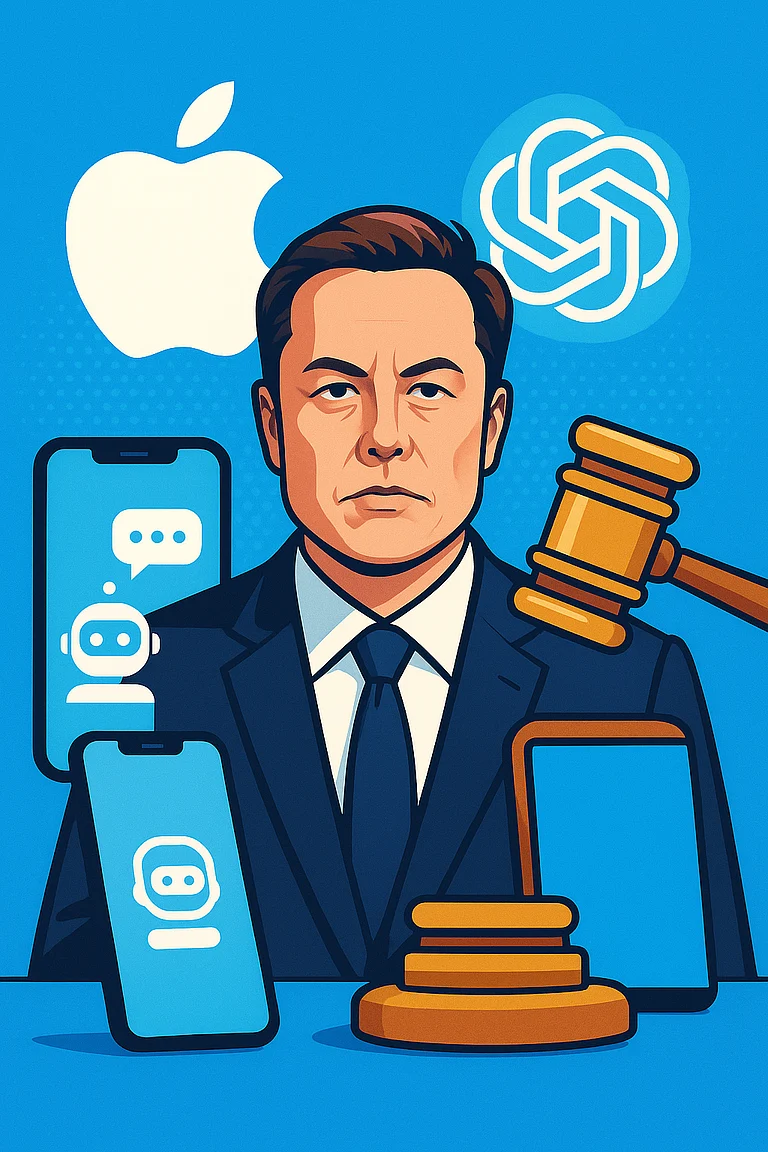
Musk, along with Sam Altman, Greg Brockman, Reid Hoffman, Jessica Livingston, Peter Thiel, as well as Amazon Web Services (AWS), Infosys and YC Research, donated funds to establish OpenAI. In total, these backers committed $1 billion, although it was later claimed that the full extent of the pledged funding was not realised.
“Just as an early investor in a startup company may realise gains many orders of magnitude greater than the investor’s initial investment, the wrongful gains that OpenAI and Microsoft have earned – and which Mr Musk is now entitled to disgorge – are much larger than Mr Musk’s initial contributions,” Tesla CEO’s lawyers wrote, according to Bloomberg.
According to the court filing, financial economist and expert witness C Paul Wazzan calculated the damages by factoring in both Musk’s financial contributions and his non-monetary input, including technical and business advice. The analysis estimates alleged wrongful gains of $65.50 billion to $109.43 billion for OpenAI and $13.30 billion to $25.06 billion for Microsoft.
The filing also states that Musk intends to seek punitive damages as part of the case.
At the time of OpenAI’s founding, Musk served as co-chair alongside Altman. However, he stepped down from the company’s board in 2018. He later launched his own artificial intelligence company, xAI, in 2023. The following year, he initiated legal action against OpenAI and its chief executive Sam Altman, challenging plans to transition the company into a for-profit structure. OpenAI and Microsoft have consistently denied the allegations.
OpenAI, which unveiled its restructuring plans in October, said the overhaul would give long-time partner Microsoft a 27% ownership stake, while ensuring that the non-profit entity retains control over the for-profit arm. Altman has criticised Musk’s lawsuit, calling it an attempt to weaponise the legal system to slow a rival.
The company has also cautioned investors that Musk may continue to make headline-grabbing claims as the case moves towards trial. In a statement reported by Bloomberg, OpenAI described the lawsuit as baseless and part of what it called a pattern of harassment, adding that it intends to contest the claims in court.