
India and EU finalise largest FTA, supporting India’s climate and trade goals.
Deal provides €500mn over two years to reduce emissions.
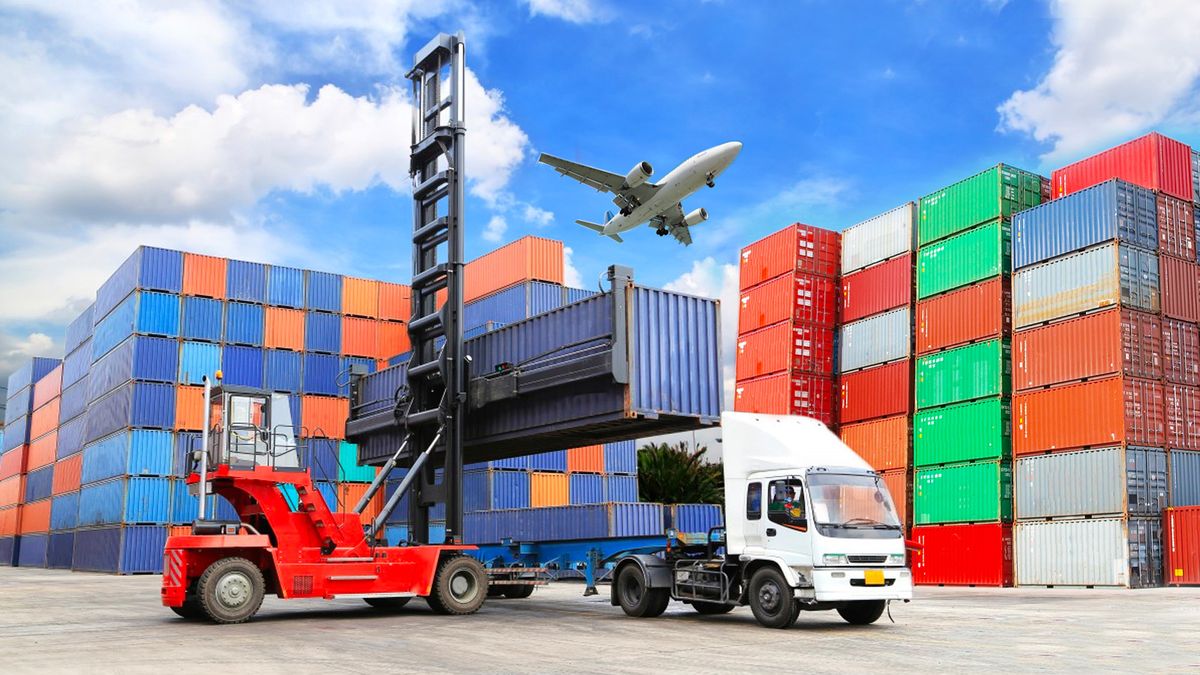
Agreement cuts tariffs, strengthens economic ties and mitigates global trade volatility.
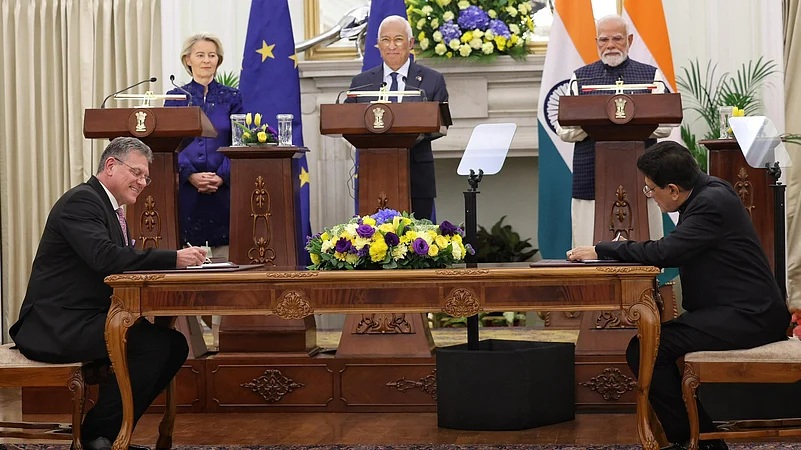
India and the European Union have concluded negotiations for a historic free trade agreement (FTA), committing €500mn in support over the next two years to help India reduce greenhouse gas emissions advance its green transition.
According to a report published by Climate Trends, the landmark move is expected to double bilateral trade to nearly €248bn, which currently stands at €124 billion, within five years. Labelled as the “mother of all deals” by Indian Commerce Minister Piyush Goyal and European Commission President Ursula von der Leyen, the agreement eliminates tariffs on 90% of goods and establishes a rules-based alternative in an increasingly fragmented global economy.

1 September 2026
Get the latest issue of Outlook Business

Market Access & Strategic Insulation
The free trade agreement is expected to unlock €4bn in annual savings and position India to absorb service gains of up to $35bn. In addition to the immediate commercial benefits, the deal serves two critical strategic purposes of providing India with "strategic insulation" against a potential renewed wave of US tariffs under second Trump administration, while for the EU, it secures the long-term access to a growing consumer and industrial markets at the centre of the Indo-Pacific.
The deal also cements India’s “China Plus One” role for diversifying manufacturing chains away from US volatility without compromising core sectors.
Advertisement
Platform for Integrating Climate & Trade Goals
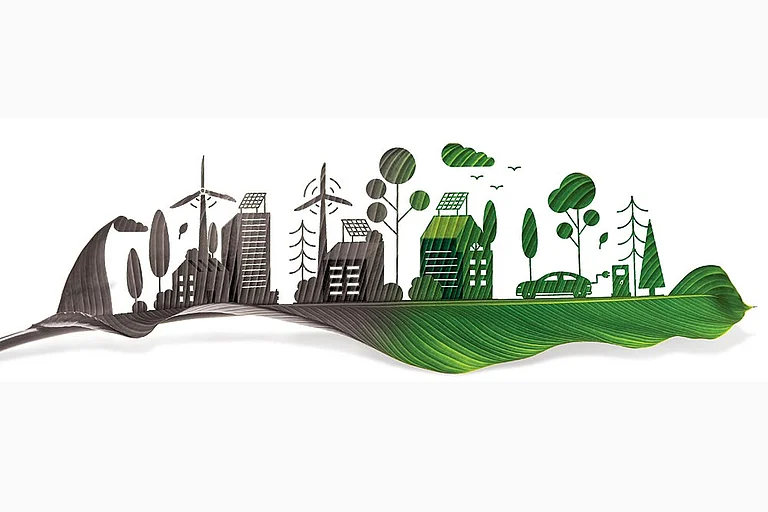
The recently inked free trade agreement integrates climate and trade goals. While the EU’s Carbon Border Adjustment Mechanism (CBAM) poses a potential cost risk of up to $4bn annually to Indian exporters, the FTA acts as a partial offset by boosting exports by up to $50bn by 2031.
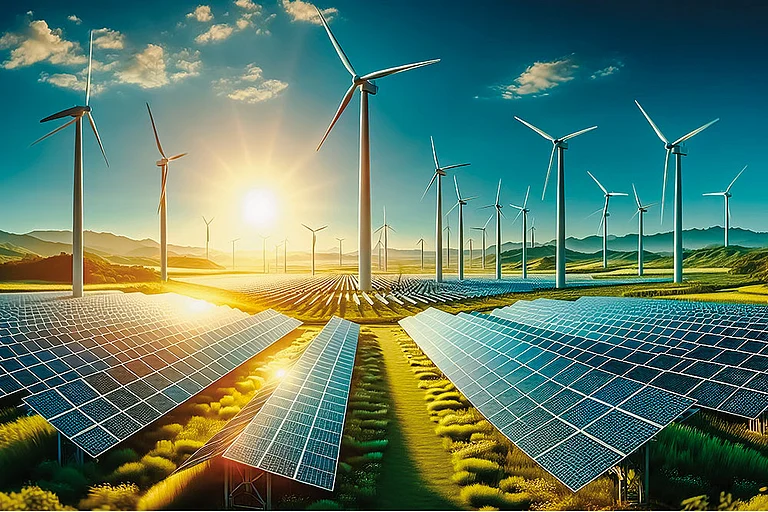
The Clean Energy and Climate Partnership (CECP), which emphasises green hydrogen and renewable energy, supports the partnership. In order to become a major exporter of hydrogen to Europe, India is currently aiming for $10bn in foreign direct investment (FDI) for electrolyser manufacturing by 2030, stated the Climate Trends report.
Advertisement
Aarti Khosla, Founder-Director of Climate Trends, stated in a news release that the deal signals a "strategic alignment" where global powers are prioritising green industry and clean tech. Madhura Joshi of E3G added that the partnership provides a "stable anchor to boost economic growth, build resilience, improve energy security, and build a future-ready, collaborative relationship.”
In addition to strengthening middle-power leadership, this agreement serves as a springboard and a hedge against possible tariff shocks and geopolitical fragmentation.