
Government drops small-car concession from CAFE III after industry pushback.
Removed relief was seen as benefiting Maruti Suzuki’s sub-909 kg models.
New norms tighten weight offsets and push stronger EV–hybrid adoption from 2027.
Automakers remain split as stricter targets risk raising entry-level car prices.
The government has dropped a proposed concession for small cars in its upcoming fuel-efficiency norms, Reuters reported today. This came after automakers like Tata Motors and Mahindra & Mahindra argued it would benefit only one company.
A draft released in September had suggested leniency for petrol cars weighing 909 kg or less — a carve-out widely viewed as favouring Maruti Suzuki, which holds about 95% of India’s small-car market.

1 September 2026
Get the latest issue of Outlook Business

According to the news agency, the Power Ministry has now has removed the exemption and tightened other parameters, increasing pressure on all automakers to boost electric and hybrid vehicle sales.
The new rules curb over-compensation for vehicle weight, aim to level the field between light and heavy fleet manufacturers, and are designed to deliver real-world efficiency gains, the latest 41-page draft said.

CAFEE III Controversy
Automakers in India divided over the draft Corporate Average Fuel Efficiency III (CAFE III) norms, which set stricter fuel-efficiency and carbon emission targets based on the average unladen weight of each manufacturer’s annual sales.
Advertisement
The proposal pitted small-car manufacturers such as Maruti Suzuki, Toyota Kirloskar, Honda and Renault against companies that sell heavier SUVs and larger vehicles, including Tata Motors, Mahindra, Hyundai and Kia.
India introduced its first CAFE standards in 2017, setting basic fuel-efficiency and CO2 limits, which were tightened further under CAFE II in 2022. The proposed CAFE III norms, released in September, aim to push emissions even lower when they take effect from 2027 to 2032, requires manufacturers to bring their fleet-average emissions down to 91.7 g/km of CO2. It also proposes a small concession for the lightest vehicles: cars under 909 kg, with engines up to 1,200cc and a length of four metres, can claim a 3 g/km relief each year.
Advertisement
The tension surfaced publicly when Tata Motors’ Shailesh Chandra criticised the draft, arguing that defining “small cars” by weight was arbitrary and unnecessary. CAFE III, slated for 2027–2032, would significantly tighten emission limits, introduce a weight-based formula for compliance and expand the use of super-credits for hybrids, flex-fuel and electric vehicles.


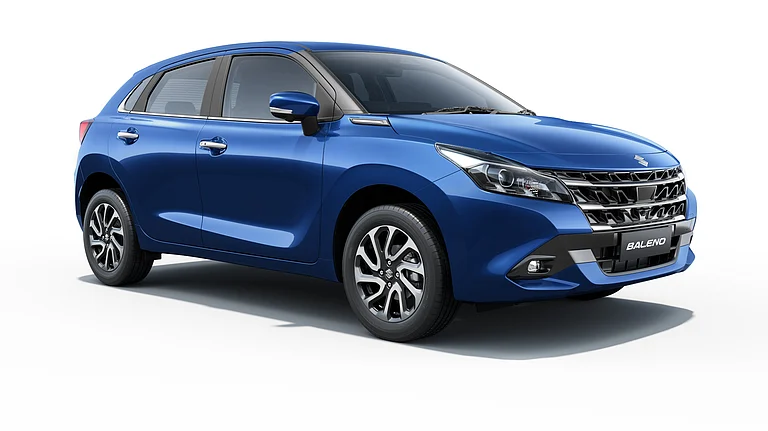
Manufacturers focused on smaller cars warn that stringent targets could make entry-level models more expensive, while firms selling larger vehicles want broader relaxations tied to weight. The divide was so deep that industry body SIAM has been unable to agree on a unified position.
Executives like Maruti Suzuki’s RC Bhargava say the norms unfairly favour heavier cars, while Chandra has raised safety concerns, noting that no model under 909 kg currently qualifies for a Bharat NCAP rating.