




India's imports of Russian crude could fall by nearly half as Indian refiners pause fresh purchases following US executive order linked to the broader trade deal.
Most refiners have stopped buying spot Russian cargoes, while Nayara Energy is expected to continue limited imports due to its dependence on Russian supply.
Analysts say replacing discounted Russian oil with global alternatives may raise India's crude import costs.
India's imports of Russian crude oil could drop sharply in the coming weeks after a fresh executive order issued by US President Donald Trump laid out conditions linked to a broader India-US trade deal, Bloomberg reported.
Indian refiners have already slowed purchases of Russian oil and the decline could deepen further after the US order. Since Trump first referred to the trade deal in a social media post about a week ago, all major state-owned and private refiners, except Nayara Energy, have paused buying spot cargoes of Russian crude.

1 September 2026
Get the latest issue of Outlook Business

As a result, India's Russian oil imports could fall by nearly half from recent levels, declining from an average of about 1.2 million barrels per day in January, Bloomberg said.

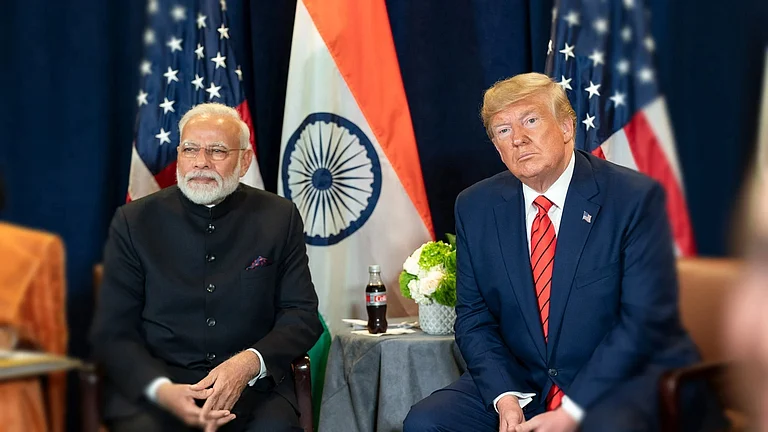
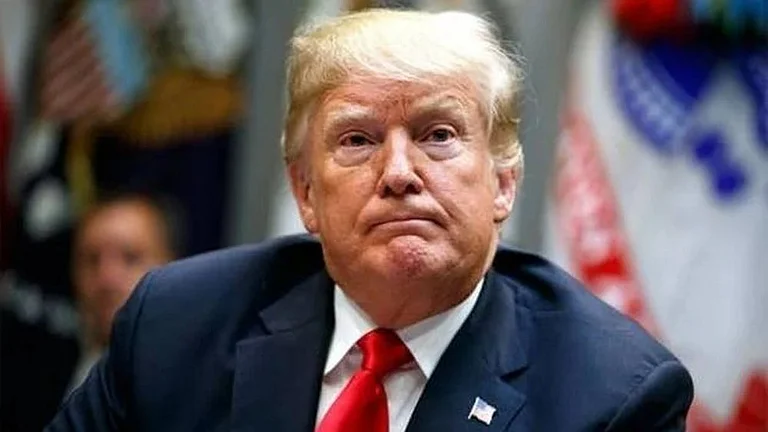


The US issued the executive order saying that it has lifted the additional 25% penalty on India over its purchase of Russian oil. It had further stated that India had committed to stopping direct or indirect imports from Russia. The executive order also warned that import tariffs on Indian goods could be increased if purchases resume.
Advertisement
The Ministry of External Affairs had maintained that the country's energy security remains its top priority. In an earlier statement, foreign ministry spokesperson Randhir Jaiswal said India would continue to diversify its energy imports to safeguard supply stability.
However, Bloomberg reported that Indian refiners spent an uneasy weekend reviewing the US order, with no clear guidance yet from the Indian government. Refiners are also not expecting immediate clarity, the report added.

The situation has placed refiners in a difficult position, as their earlier enthusiasm for discounted Russian crude now clashes with growing pressure from the US, which has tied oil purchases to the wider trade agreement, as per the report. India had bought very little Russian oil before the Ukraine conflict in early 2022 but later emerged as the world’s largest importer of Russian crude.
Advertisement
Nayara Energy, which is backed by Russian oil major Rosneft, is expected to continue importing around 400,000 barrels per day of Russian oil, Bloomberg further reported. The company is largely dependent on Russian supplies due to its sanctioned status, though it remains unclear whether Nayara has received specific exemptions from US or Indian authorities.

Meanwhile, Reliance Industries is seen as a potential beneficiary of the India-US trade deal announced earlier this week. However, analysts caution that replacing Russian crude with alternatives like Venezuelan oil may not be feasible in the near term due to limited supply volumes. As a country which imports roughly 4.5-5.4 million barrels of oil per day, a complete halt in Russian oil purchases could increase costs.
According to our previous report which cited Nikhil Dubey, senior research analyst at Kpler, near-term import volumes may not change significantly as refiners have already placed orders for the coming months.
Purchases by Indian Oil Corporation, Bharat Petroleum Corporation and Reliance Industries remain uncertain. While these companies will receive previously booked shipments, they have paused placing new orders. In January, only IOC, BPCL and Nayara received Russian cargoes, with volumes down nearly 30% from the 2025 average, according to Bloomberg.

On the gas front, state-run firms continue to rely on long-term LNG contracts of 5.8 million tonnes per year with US suppliers and are exploring additional long-term deals.
However, estimates on the impact vary. According to Prashant Vasisht, Senior Vice President at ICRA, replacing discounted Russian crude with market-priced alternatives would raise India’s oil import bill by less than 2%.
Meanwhile, Kresha Gupta, fund manager at Steptrade Capital, previously told Outlook Business that switching to US or other global crude grades could push up landed costs by 5-10% per barrel, depending on global prices and freight rates.









