Saudi Aramco, Iraq’s SOMO and Kuwait Petroleum have asked buyers to prepare loading schedules as hopes rise for resumption of shipments through the Strait of Hormuz.
The waterway handles nearly 20% of global oil and LNG trade, but uncertainty persists despite a temporary US–Iran ceasefire.
Supply disruptions and recent attacks on Saudi infrastructure continue to impact production capacity and logistics across the region.
Oil producers in West Asia have asked Asian refiners to submit crude loading schedules for April and May in anticipation of a potential resumption of shipments through the Strait of Hormuz, a report by Reuters citing sources said.
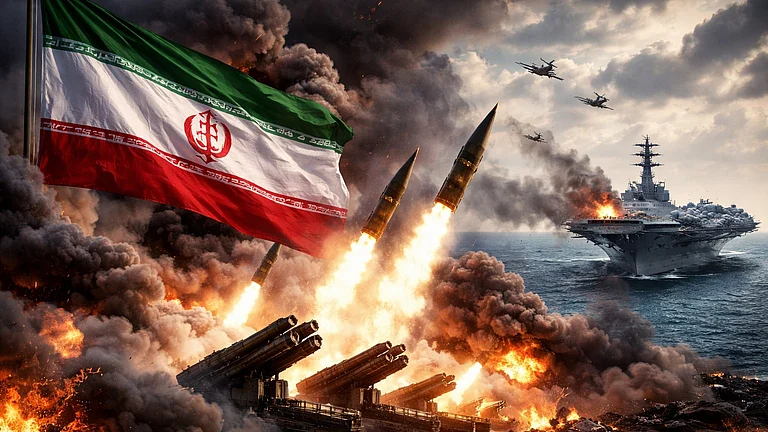
Hopes for a reopening of the key shipping route rose after the US and Iran announced a two-week ceasefire on Wednesday. Prior to the conflict, nearly 20% of global oil and liquefied natural gas (LNG) supplies transited through the Strait. However, Tehran has not yet lifted its near-total blockade of the waterway, which has significantly disrupted supply flows and driven up global energy prices.

1 October 2026
Get the latest issue of Outlook Business

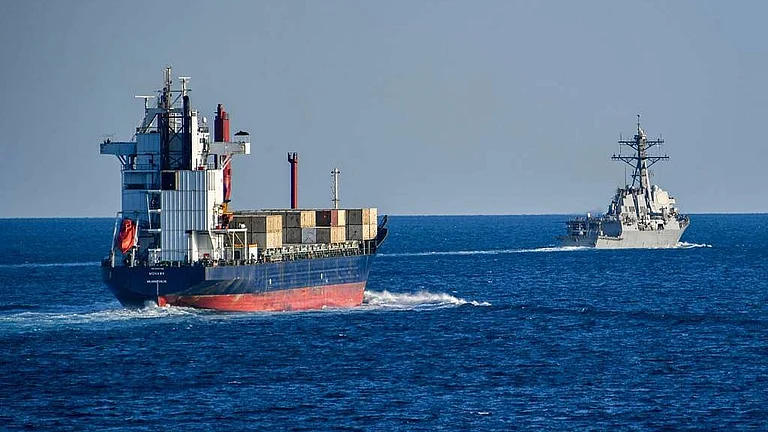
Top exporter Saudi Aramco has asked buyers to submit cargo nominations for May loading from the ports of Yanbu and Ras Tanura, the report said said. Exports from Ras Tanura, located on Saudi Arabia’s eastern coast, would require tankers to pass through the Strait of Hormuz. Last month, Aramco had limited April liftings to the Red Sea port of Yanbu, which allows shipments to bypass the Strait via the East-West Pipeline.
However, recent attacks on Saudi energy infrastructure have reduced the kingdom’s production capacity by about 600,000 barrels per day (bpd) and cut throughput on the East-West Pipeline by nearly 700,000 bpd, according to Saudi state news agency SPA, citing an official from the Ministry of Energy.
Advertisement

Kuwait Petroleum Corp has also issued loading schedules for Kuwait Export Crude (KEC) for April on a free-on-board (FOB) basis, sources said, although final nominations remain subject to buyers’ ability to lift cargoes. Last month, Kuwait declared force majeure on delivered crude supplies as tankers were unable to enter the Gulf amid heightened tensions.
Iraq’s state oil marketer SOMO has similarly asked customers to submit loading programmes after reports indicated that Iran may exempt Iraqi shipments from transit restrictions through the Strait. Asian refiners and trading firms have begun seeking tankers for Gulf loadings following the ceasefire announcement, signalling cautious optimism about a partial resumption of supply flows.
Advertisement
Despite the ceasefire, uncertainty persists. Abu Dhabi National Oil Company (Adnoc) Chief Executive Officer Sultan Al Jaber said the Strait is “not open” in practical terms, as transit remains subject to conditions and political considerations. Analysts warn that even limited disruptions in the Strait of Hormuz — one of the world’s most critical energy chokepoints — can significantly impact freight rates, insurance costs, and global supply chains.