West Asia war has sent Sensex tumbling 900 points, the worst weekly fall in over a year.
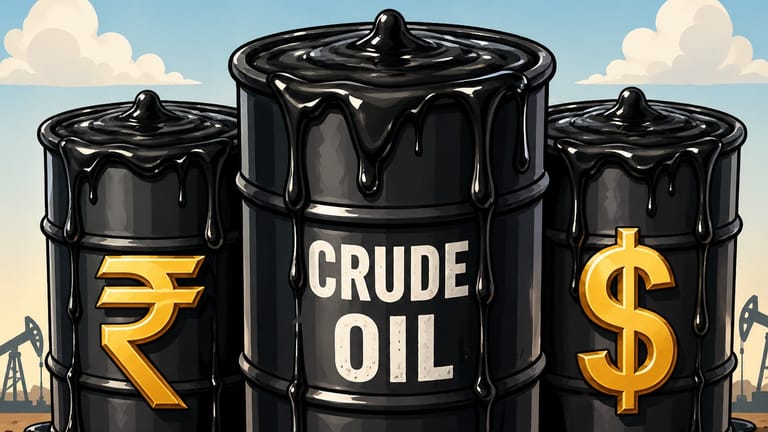
Rupee is at all-time low of ₹92.39, oil back above $100 as energy fears mount.
LPG hike of up to ₹144 has hit restaurants hard, experts say Zomato profits may take a 7% knock.
Indian stock markets just posted their worst weekly performance in four years. The Nifty 50 fell 5% this week, the steepest weekly drop since 2022, while BSE-listed companies collectively lost ₹20 lakh crore in market capitalisation during the week alone.
The carnage deepened further on Friday. Sensex witnessed a severe drop of over 5.5% over the week to settle around 74,563 on Friday, while shed 489 points to settle at 23,152.

1 September 2026
Get the latest issue of Outlook Business

At the opening bell, the Sensex had plunged over 900 points, with the Nifty slipping below 23,400 almost immediately.



Broader markets took an even harder knock, with both Nifty Midcap and Nifty Smallcap falling around 2.5% each. The biggest losers of the day included Larsen & Toubro, Tata Steel, State Bank of India, and Bharat Electronics.

The Trigger: $100 Oil and a War That Won't End
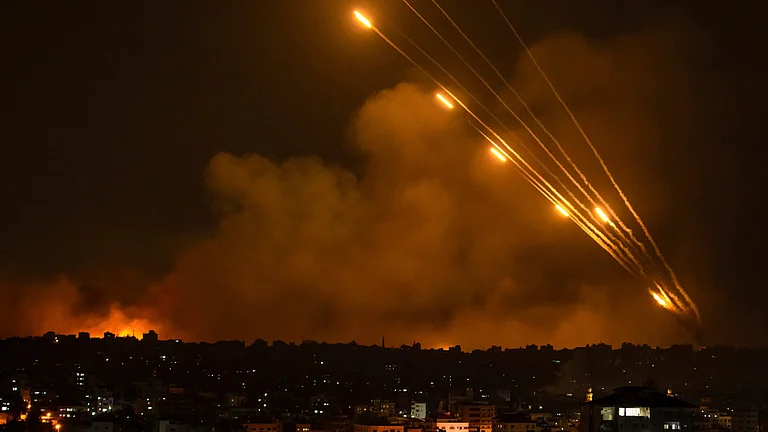
The root cause is the ongoing conflict between Iran and the US-Israel alliance, which erupted on February 28. Iran's new supreme leader Mojtaba Khamenei has vowed to keep the Strait of Hormuz closed, the chokepoint through which, nearly one-third of the world's seaborne crude oil and about 20% of global liquefied natural gas cargoes pass.
Advertisement
Oil prices have bounced back above $100 a barrel after a brief dip earlier in the week. Major oil producers including Iran, Kuwait and Qatar have already slashed output, with markets bracing for the UAE and Saudi Arabia to follow once their stockpiles run out.
Vinod Nair, Head of Research at Geojit Investments, described the sell-off as "a perfect storm", escalating geopolitical conflict driving macroeconomic shocks, combined with margin-related pressure forcing the squaring off of short-term positions.

Foreign Investors Heading for Exit
Foreign Portfolio Investor outflows have topped ₹45,000 crore in just the first eight sessions of March, the worst monthly reading since January 2025. This marks ten straight days of net selling by FIIs.
Advertisement
The recent selloff has eroded ₹10 lakh crore in investor wealth, with the total market capitalisation of firms listed on the BSE falling to around ₹430 lakh crore on Friday from the earlier ₹440 lakh crore.
During geopolitical crises, global investors typically pull money out of emerging markets and move into safe-haven assets like the US dollar and gold, amplifying the pressure on both Indian equities and the rupee.
Sinking Rupee
The currency markets are taking their own beating. The rupee slid to an all-time low of ₹92.40 against the US dollar on Friday, driven by surging dollar demand from higher oil imports and relentless FII outflows.
In just four days, the rupee fell from around ₹90.80 to as low as ₹92, with analysts warning it could weaken much further if the situation doesn't stabilise.
The prognosis from global banks is sobering. According to a MUFG report, if oil holds around $100 per barrel, the dollar-rupee rate could end the year near 95.50. In a more severe scenario, crude at $120 with widespread energy shortages, the rupee could fall to 97.50 or beyond.

Pricier LPG and Restaurant Bills
The war is not staying on trading screens, it has also arrived in Indian kitchens. Domestic LPG cylinders (14.2 kg) have gone up by ₹60, while commercial cylinders (19 kg) have seen a steeper hike of ₹144. Restaurants and hotels, which depend on commercial gas for daily cooking, are bearing the sharpest impact. Many eateries in major cities have already dropped items like chapati, dosa, and pooris from their menus to cut costs, with some reportedly on the verge of shutting down entirely.
Authorities are exploring options to diversify energy sources and lock in long-term procurement contracts as a precaution, as LNG and LPG supplies could come under sustained pressure if the situation in West Asia worsens.
Food delivery platforms Zomato and Swiggy haven't seen order volumes drop yet, but Elara Capital has warned that if the disruption lasts 20 days, Zomato could see a 3.7% dip in order volumes and a 7.1% hit to its quarterly operating profits.

Basmati in the Crossfire, Ports Strained
India's export sector is also feeling the heat. Over 300 containers carrying frozen food and perishable goods were left stranded at Jawaharlal Nehru Port after clearances were halted on February 28, with shipments meant for Gulf nations stuck and exporters fearing heavy financial losses.
Basmati rice, a trade worth over ₹50,000 crore annually, has taken a direct hit. Prices have fallen 6% since the conflict escalated, with nearly 400,000 metric tonnes stranded at ports or mid-voyage.
More than three-quarters of India's basmati rice production is typically exported, meaning any sustained slowdown in overseas demand quickly creates a domestic surplus and drives prices lower.

Is There a Silver Lining?
Analysts are cautious but not entirely without hope. Elara Capital noted that unless oil stays above $100 for several consecutive quarters, the current turbulence is likely to be temporary, and could present a buying opportunity for patient investors.
Sunny Agrawal, Head of Fundamental Research at SBI Securities, pointed to history for reassurance. "After a period of no returns for 17 months, equities have delivered fabulous returns over the next six months to three years," he said, recommending long-term capital deployment in fundamentally sound businesses across large, mid, and small-caps. Sectors likely to outperform include banking and financial services, automobiles, consumer discretionary, and power.
India's foreign exchange reserves currently stand at around $716 billion, enough to cover months of imports, a significant buffer that distinguishes India's position today from past crises.
For now though, Dalal Street and Indian households alike are bracing for more turbulence ahead. This was resonated by Nair who said that the market direction is likely to remain dominated by the West Asia conflict and crude trends, "given their knock-on effects on inflation, corporate margins, the current account, and RBI policy space."