Vodafone Idea hits 52-week high as ₹35,000-crore SBI funding nears closure.
Stock jumps 43% in a month on revival and network expansion hopes.
Brokerages remain cautious despite subscriber gains and improving operational trends.
Shares of Vodafone Idea opened higher on Wednesday and extended gains after hitting a fresh 52-week high of ₹13.68 in the previous session, as investors reacted positively to signs of progress in the telecom operator's proposed ₹35,000-crore debt funding plan and management's confidence in its medium-term turnaround strategy.
The stock has surged over 43% in the past month and gained another 6% on Monday after management commentary during the company's fourth-quarter earnings call boosted investor sentiment. The rally gathered momentum after Chief Executive Officer Abhijit Kishore said the company was "deeply engaged" with an SBI-led consortium of lenders and expected to conclude discussions quickly.

1 October 2026
Get the latest issue of Outlook Business

The proposed funding package includes a funded facility of ₹25,000 crore and a non-funded facility of ₹10,000 crore. The package is aimed at supporting Vodafone Idea's aggressive network expansion and capital expenditure programme over the next three years.
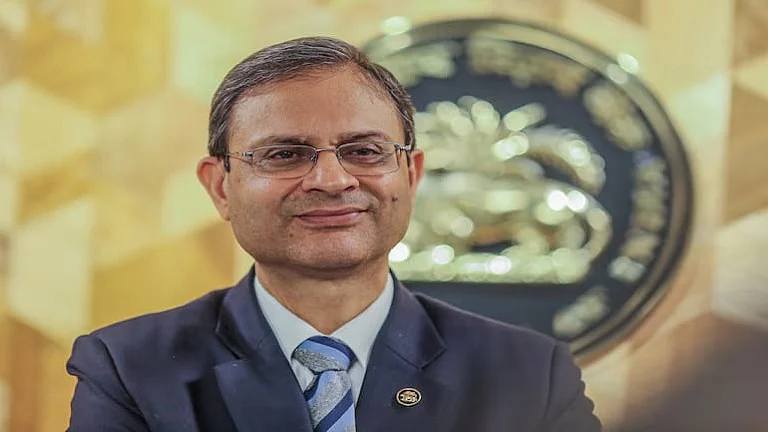

"Our capex over the next three years is ₹45,000 crore. We are looking at a funded facility of ₹25,000 crore and a non-funded facility of ₹10,000 crore. We are deeply engaged with an SBI debt consortium, which includes PSU banks, private banks and foreign banks, and we are very confident of closing that very fast," Kishore said.

Advertisement
Capex Push, Brand Revival In Focus
Management said Vodafone Idea plans to sharply increase capital expenditure intensity as it executes its ₹45,000-crore network investment strategy. The company also intends to spend more aggressively on rebuilding its brand after years of uncertainty around AGR liabilities and financial stress.
Kishore said the company expects to meet its financial obligations over the next three years through a combination of higher EBITDA generation, debt funding, promoter infusion and tax refunds.
The company recently surprised markets by posting a consolidated profit after tax of ₹51,970 crore for the March quarter. However, a significant part of the profit came from accounting adjustments linked to a reassessment of AGR liabilities rather than core operating performance.
Advertisement
According to institutional reports, Vodafone Idea aims to increase EBITDA nearly threefold to about ₹27,000 crore by FY29, supported by network expansion and improving subscriber metrics.

Brokerages Remain Divided
Despite the sharp rally in the stock, brokerages remain cautious and have highlighted execution risks.
Motilal Oswal Financial Services maintained a Neutral rating and noted that "everything must go right" for Vodafone Idea's long-term revival.
The brokerage said management expects cumulative cash EBITDA of nearly ₹60,000 crore between FY26 and FY29, but its own estimates remain significantly lower at around ₹34,500 crore. According to Motilal Oswal, this creates the possibility of additional fundraising needs.
The brokerage said Vodafone Idea's turnaround depends on several factors, including sustained tariff hikes, subscriber stabilisation, rational competition and continued regulatory support.
It also warned that many of these variables are beyond management's control. Further, if Vodafone Idea begins to emerge as a stronger third telecom player, larger rivals could intensify competitive pressure.
ICICI Securities downgraded the stock to "Reduce" from "Hold", despite raising its target price to ₹11 from ₹10.
The brokerage acknowledged early signs of operational improvement following network expansion and better customer engagement, but trimmed EBITDA estimates due to assumptions of delayed tariff hikes.
ICICI Securities said Vodafone Idea's capital requirement remains substantial. The company requires over ₹1 lakh crore over the next three years, including ₹45,000 crore for capital expenditure and nearly ₹49,000 crore towards spectrum dues.
The report highlighted some encouraging signs. Subscriber decline slowed sharply during the quarter and the company reported positive subscriber additions in February and March. Data usage trends and postpaid additions also improved.
However, analysts remain divided on whether these early improvements can translate into a sustainable long-term turnaround.