Small and marginal farmers must be at the centre of India’s agri-climate transition
Agriculture will play a key role in meeting India’s climate targets
Bridging the gap between technology and on-ground realities is critical
India’s climate ambitions cannot be met without transforming its agriculture sector, and that transformation must begin with the country’s smallest farmers, Rijit Sengupta, CEO of the Centre for Responsible Business, said at Outlook Planet’s C3 2026 event.
Setting the tone for a session on agri- and climate-tech innovations, Sengupta pressed upon the need for a bottom-up approach to sustainability. “We are trying to see how we can drive sustainable business from the bottom up, really, from where it matters,” he said, emphasising the role of small and medium enterprises, farmer producer organisations, and smallholders in shaping India’s green transition.

1 October 2026
Get the latest issue of Outlook Business

Sengupta highlighted that India’s updated climate commitments—its Nationally Determined Contributions—present both a challenge and an opportunity for the agriculture sector.
With targets ranging from reducing emissions intensity to expanding non-fossil fuel energy and enhancing carbon sinks, agriculture will be central to achieving them. “If we juxtapose these targets on agriculture, we are confronted with three questions—how do we reduce emissions, can agriculture contribute to clean energy, and can it help build carbon sinks?” he said.
The scale of the challenge, he noted, is immense. Agriculture accounts for a significant share of India’s emissions, and the sector is dominated by small and marginal farmers. “Eighty-six percent of farmers in India are small and marginal… so we are really looking at farmers who have less than two hectares of land,” Sengupta said, adding that women’s contributions remain under-recognised while youth participation in farming continues to decline.
Advertisement
Against this backdrop, Sengupta stressed that technological innovation must be both accessible and empathetic. Bridging the gap between sustainability frameworks and on-ground realities is critical, particularly when farmers face daily pressures related to production, market access and climate variability.


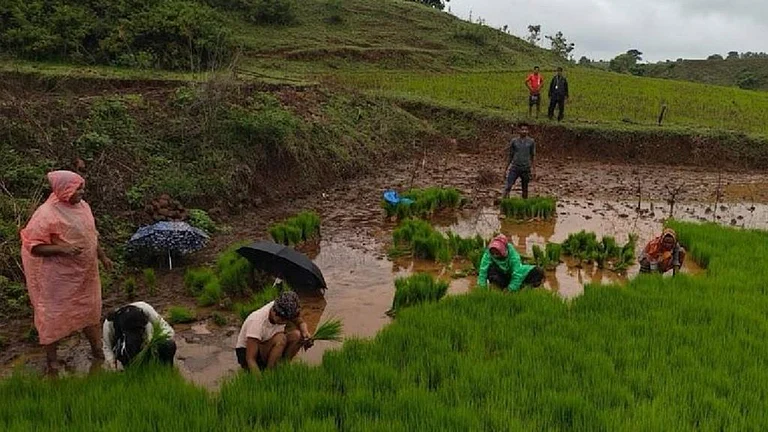
“The critical point is how can technology and innovations help the sector… and whose reality counts,” he said, cautioning against top-down solutions that overlook the lived experiences of farmers.
As India accelerates its climate agenda, Sengupta’s argued that without aligning innovation with the needs of its most vulnerable agricultural stakeholders, the transition risks leaving many behind.