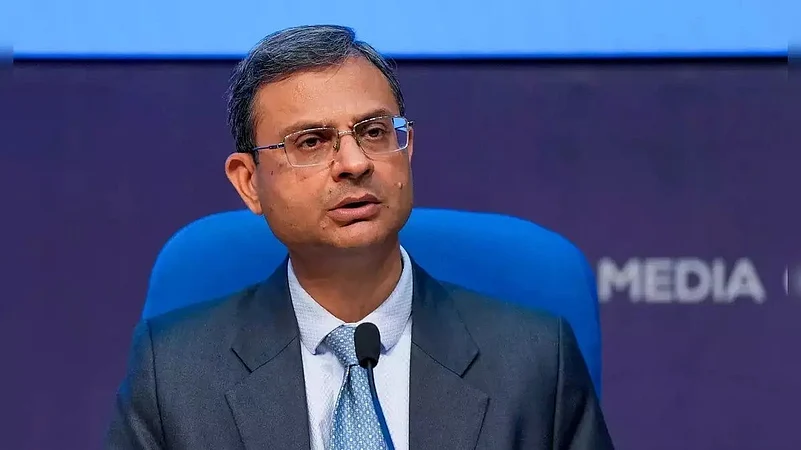

RBI Governor Sanjay Malhotra said the central bank will “do whatever is required” to ensure orderly movement in the rupee and curb excessive volatility.
The RBI is reportedly selling between $800 million and $2 billion daily from its forex reserves to slow the rupee’s decline amid the West Asia crisis.
Economists remain divided on whether India should continue defending the rupee, with concerns rising over imported inflation, reserves depletion, and capital outflows.
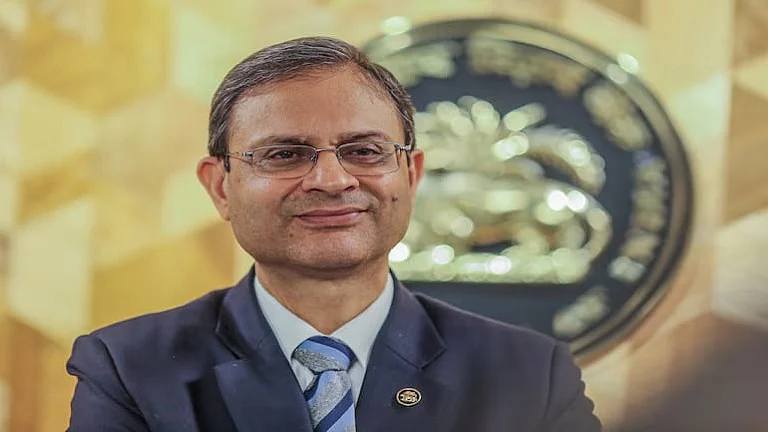
Reserve Bank of India Governor Sanjay Malhotra said the central bank will “do whatever is required” to ensure orderly movements and curb excessive volatility in the foreign exchange market.
In an interview with Mint, Malhotra also said the rupee is currently undervalued after depreciating over 6% since the onset of the West Asia war. The rupee was the worst-performing currency in Asia last year and has continued to weaken not just against the dollar, but also against its regional peers in recent months.

1 October 2026
Get the latest issue of Outlook Business

RBI Defends Rupee Amid Persistent Pressure
The sharp and steady fall of the rupee has raised concerns, making it challenging for policymakers to manage inflation, boost growth, maintain the current account deficit (CAD), and stabilise the currency simultaneously.
According to reports citing experts and economists, India’s foreign exchange reserves are effectively getting “burnt” as the central bank attempts to limit the pace of the rupee’s decline.
India holds nearly $700 billion in foreign exchange reserves and, as per estimates, the RBI has been selling nearly $800 million to $2 billion daily to contain volatility.
However, Malhotra reiterated that the RBI does not target any specific level for the currency and that the exchange rate is market-determined. He added that the RBI will swiftly intervene whenever necessary to ease volatility and curb speculative pressure on the rupee.
Advertisement
Malhotra also said that once the West Asia crisis eases, the rupee is likely to recover its losses and appreciate. He added that policy measures must be taken to reduce the CAD and improve the capital account position.
One of the major reasons for the rupee’s continued depreciation is the lack of inflows into India’s capital account, as investors flee domestic markets amid heightened geopolitical uncertainty and concerns over the overvaluation of Indian equities.
However, Malhotra maintained that gross capital flows have remained robust, suggesting continued attractiveness of Indian markets.

Advertisement
Rupee Fall Bruises the Economy
In recent weeks, economists and experts have argued that the RBI should allow the rupee to weaken further and breach psychologically crucial levels if market forces demand it.
Sixteenth Finance Commission Chairman Arvind Panagariya said that if markets want a weaker rupee, authorities should allow it to fall rather than waste precious foreign exchange reserves defending a particular level.
In theory, a weaker currency supports exports. China benefitted significantly from keeping the renminbi weak in the late 1990s and early 2000s, flooding global markets with cheap Chinese exports.


However, unlike China, India is not yet a major manufacturing export hub. With imports still outpacing exports and the country heavily reliant on energy imports, any further depreciation of the rupee could have a severe impact on India’s fiscal position and corporate balance sheets.