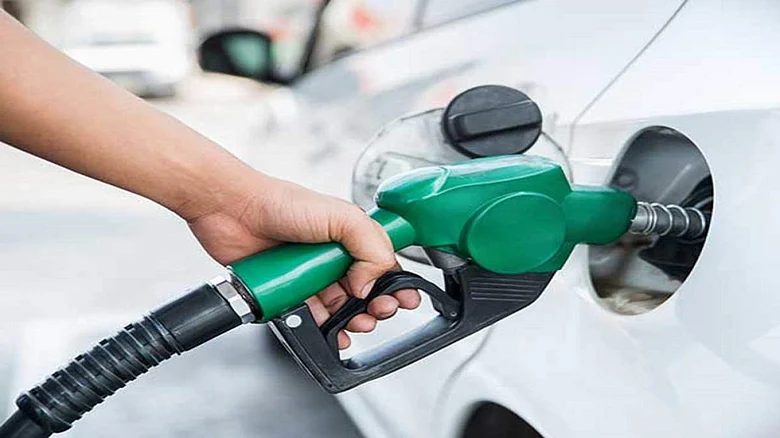

CNG prices in Delhi to rise ₹3.89 per kg from August 29.
New rate set at ₹86.98 per kg, IGL says.
Hike linked to rising LNG costs amid West Asia conflict.
CNG prices in Delhi and nearby cities will go up by ₹3.89 per kg starting 6 am on August 29, Indraprastha Gas Limited (IGL) said in a statement issued on Friday evening. The company attributed the hike to rising input costs following a spike in spot LNG prices amid the ongoing conflict in West Asia.
With the revision, CNG in Delhi will cost ₹86.98 per kg, up from ₹83.09 at present. IGL said a large portion of the gas used for CNG is sourced through imported LNG, which makes input costs sensitive to shifts in global markets.

1 October 2026
Get the latest issue of Outlook Business

"With international LNG prices remaining elevated and the cost impact becoming increasingly significant, a calibrated revision of ₹3.89 per kg has now become necessary to partially offset the increase in input gas cost," the company said.

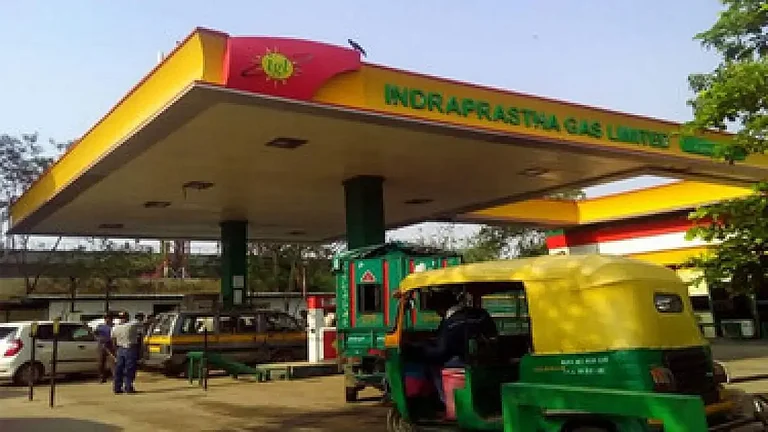

According to IGL, spot LNG prices have climbed sharply since the West Asia conflict began, prompting the price revision. The new rates will apply to both private and commercial CNG vehicles across Delhi and the National Capital Region from Saturday morning.

Link To Global Supply Routes
IGL traced the rise in input costs to disruptions around the Strait of Hormuz, a narrow shipping route between Iran and Oman that carries a large share of the world's energy trade. Cntinued disruption around the strait has affected global energy flows and pricing, Reuters reported.
Advertisement
IGL said international LNG prices have nearly doubled compared to levels seen before the crisis. The company added that rising demand from Europe ahead of the winter season has added further pressure on global supplies, pushing up import costs that are eventually passed on through domestic fuel prices.