
Indian regulators are flying to Seattle to watch Boeing test a fuel switch pulled from an Air India 787.
The move comes as India's final report on the Ahmedabad crash that killed 260 people nears its deadline.
The preliminary report found the fuel switches were shut off simultaneously, cutting power to both engines.
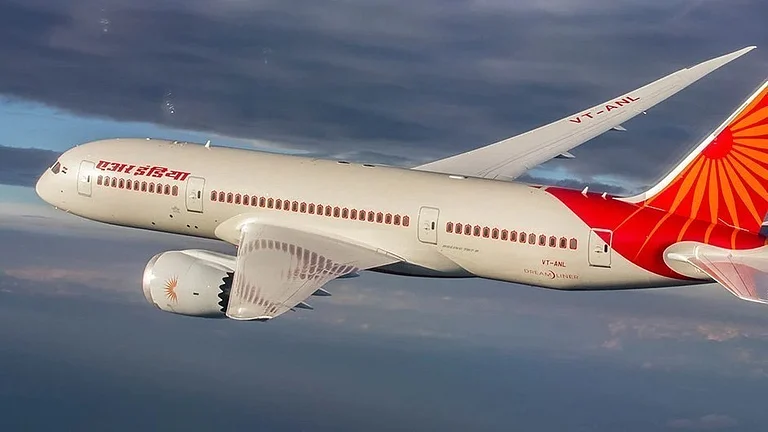
Indian aviation safety officials are preparing to travel to Seattle to observe Boeing test a fuel-control switch panel removed from an Air India Boeing 787 Dreamliner in February, Reuters reported. The panel was taken off the aircraft after pilots on a London-Bengaluru flight noticed the fuel switches were not holding their position correctly during engine start.
During the incident, the pilots found that the switches did not remain fixed in the "run" position on the first two attempts when light vertical pressure was applied, India's Directorate General of Civil Aviation said previously. The switches held on a third attempt, and the flight proceeded.

1 October 2026
Get the latest issue of Outlook Business

UK authorities investigated the incident. Boeing privately told Air India in February that the module was found to be "serviceable," according to an email seen by Reuters. The DGCA also said the switches passed checks. Despite this, the module was sent to Boeing's facility in Seattle for further examination.



Why Officials Called It Sensitive
The DGCA's insistence on attending the Seattle tests stands out. In a March 9 email, Manish Kumar, a DGCA deputy director of airworthiness, wrote that "the matter is sensitive in nature" and directed Air India to ensure the testing was carried out in the presence of a DGCA officer, according to confidential emails seen by Reuters. The email did not elaborate on why the regulator considered it sensitive.
Advertisement
In a statement, Air India said the module had already been confirmed as "fully functional" by both Boeing and the DGCA, but that the additional testing was intended to ensure "a thorough and conclusive evaluation as a measure of abundant caution." The Tata Group and Singapore Airlines-owned carrier added that the examination would take place "in a controlled laboratory environment to definitively confirm its performance and integrity."
Shadow of the Gujarat Crash
The renewed scrutiny of these switches comes as investigators prepare a final report into the Air India 787 crash in Ahmedabad in June last year, which killed 260 people.
Advertisement
The preliminary investigation report found that the fuel control switches on that aircraft had been shut off nearly simultaneously, cutting fuel supply to both engines. The switches are designed to be immovable without deliberate action from pilots.
Reuters reported last year, citing a source briefed on early assessments by US officials, that recorded cockpit dialogue suggested the captain had cut fuel flow to the engines while the first officer was at the controls. The finding drew sharp pushback from an Indian pilots' union and the captain's family, who called for a broader independent investigation into other possible causes.
The US Federal Aviation Administration has said the crash does not appear to have been caused by a mechanical issue.
Under international aviation rules, India's Aircraft Accident Investigation Bureau is required to release its final report by next month. If that deadline cannot be met, an interim update must be issued.