


The US moved from an earlier proposal for tariffs of up to 500% on buyers of Russian energy to a 100% tariff mechanism under a new law.
President Donald Trump waived the application of specified duties under the law, removing the immediate threat of these additional duties.
The relief is reversible, leaving India exposed to possible future action over its purchases of Russian oil.
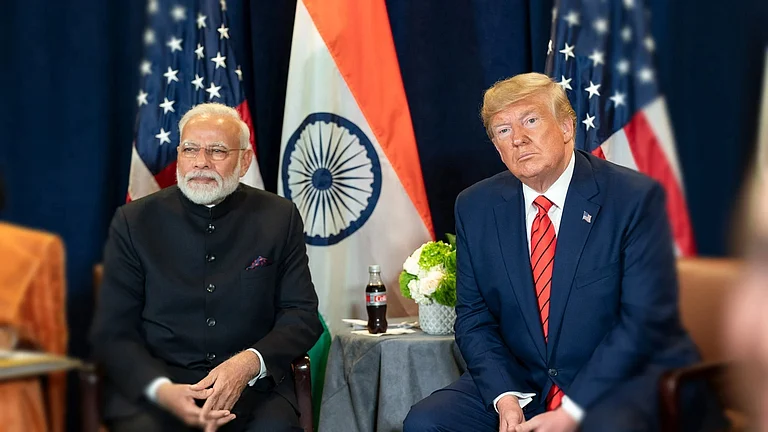
The US tariff threat over India’s purchases of Russian oil has taken another turn. On October 16, US President Donald Trump issued an executive order waiving the application of specified duties and sanctions under a new law that provided for tariffs on goods from major buyers of Russian energy and on goods from Russia itself. The decision came just days before the law’s 100% tariff mechanism was due to apply to qualifying new purchases.
The move gives India relief from the immediate risk of additional duties on its exports to the US. However, it does not resolve the wider disagreement over Russian oil or guarantee that Washington will not revisit the measures. The latest development also highlights how energy purchases have become closely linked to trade negotiations between the two countries.

1 October 2026
Get the latest issue of Outlook Business

From 500% Proposal To 100% Tariff
The tariff threat evolved over several months. An earlier proposal backed by US Senator Lindsey Graham envisaged tariffs of up to 500% on countries buying Russian oil and other energy products. The aim was to increase pressure on Moscow over its war against Ukraine by making trade with the US more expensive for countries continuing to buy Russian energy.
Advertisement
The legislation that eventually became law took a different approach. The Lindsey O. Graham Sanctioning Russia and Iran Act of 2026, signed into law on September 18, authorised a 100% tariff on goods from the five largest importers of Russian-origin crude oil and natural gas if they knowingly made qualifying new purchases on or after October 18. It also provided for duties targeting major facilitators of Russian oil sanctions evasion.
The law also provided for a separate 500% duty on Russian-origin goods. This was distinct from the earlier proposal to penalise countries buying Russian energy. The new 100% tariff mechanism was not an automatic duty on every country importing Russian oil; it applied to goods from qualifying major importers that made new purchases under the conditions set out in the law.
Advertisement
On October 16, Trump waived specified duties and sanctions under the law, citing US national interests. The order also directed officials to monitor Russian energy purchases and report circumstances that might warrant further action.

Why India Was At Risk
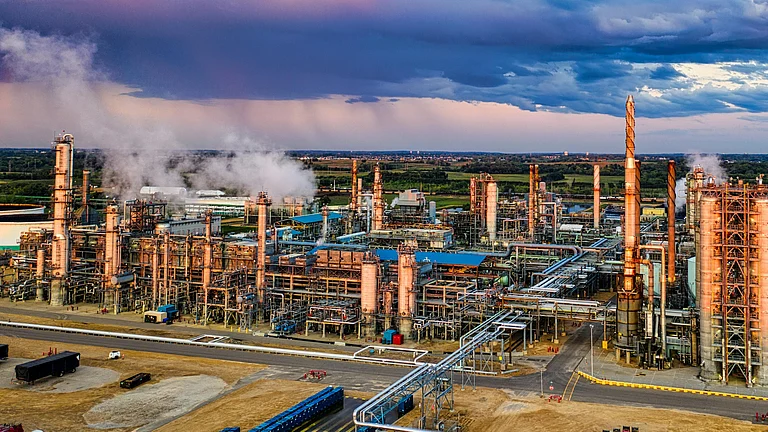
India increased its purchases of Russian crude after Russia invaded Ukraine in February 2022. As several Western countries reduced their purchases, Moscow offered discounted oil to willing buyers. Indian refiners took advantage of the supplies, making Russia one of India's most important crude suppliers.
The commercial logic is straightforward. India depends heavily on imported crude oil, so access to competitively priced supplies can help contain its oil import bill. Refiners must also consider shipping costs, availability and whether alternative grades of crude can be processed efficiently.
According to commodity market analytics firm Kpler, cited by The Indian Express, India imported around 1.9 million barrels per day of Russian crude in September 2026, accounting for more than 35% of its total oil imports that month. This dependence made India particularly vulnerable to US measures targeting major buyers of Russian energy.
The risk extended beyond the oil market. If the US had applied an additional 100% tariff to covered Indian exports, those goods could have become significantly more expensive for American buyers. Indian exporters might have had to absorb some of the cost, reduce prices or risk losing orders to competitors. The actual impact would have depended on which goods were covered and how the tariff was applied.
A Tariff Dispute With A History
The latest threat followed an earlier round of penalties. In August 2025, Trump ordered an additional 25% tariff on Indian imports, citing India's purchases of Russian oil. The measure took effect on August 27, raising total duties on many Indian goods to as high as 50%.
In February 2026, Washington announced the removal of that additional 25% tariff as part of a broader trade understanding with India. The US also announced a reduction in the reciprocal tariff rate on Indian goods from 25% to 18%, linking the changes to India's commitment to stop purchasing Russian oil.
The White House said India intended to buy more than $500 billion worth of American energy, technology, agricultural and other products. This was an announced intention, not confirmation that the full amount had been purchased.
The sequence shows how Russian oil purchases have become a point of pressure in wider trade negotiations. Even after one tariff is withdrawn, another measure can create uncertainty for businesses planning exports and for refiners deciding where to source crude.
What The Waiver Changes
The immediate benefit is that the new 100% tariff mechanism has been put on hold, reducing the near-term risk of additional duties linked to qualifying purchases of Russian energy. Indian refiners have more room to assess Russian cargoes on price, availability and logistics, while exporters avoid an immediate tariff shock under this law.
However, the waiver is not a permanent exemption. The October 16 order allows the US administration to withdraw it if further action is considered appropriate. Officials will continue monitoring Russian energy purchases, giving Washington the option of revisiting the issue. The waiver also does not remove all existing US tariffs or separate restrictions related to Russia.
For India, the challenge is to maintain access to affordable energy while protecting its exports to a major market. A sudden shift away from Russian crude could increase procurement and transport costs, depending on the availability and price of alternative supplies.


The waiver offers breathing room, but the underlying disagreement remains. India’s purchases of Russian oil continue to intersect with US sanctions policy and bilateral trade negotiations. For refiners and exporters alike, the latest decision removes an immediate threat without eliminating the uncertainty surrounding future US action.