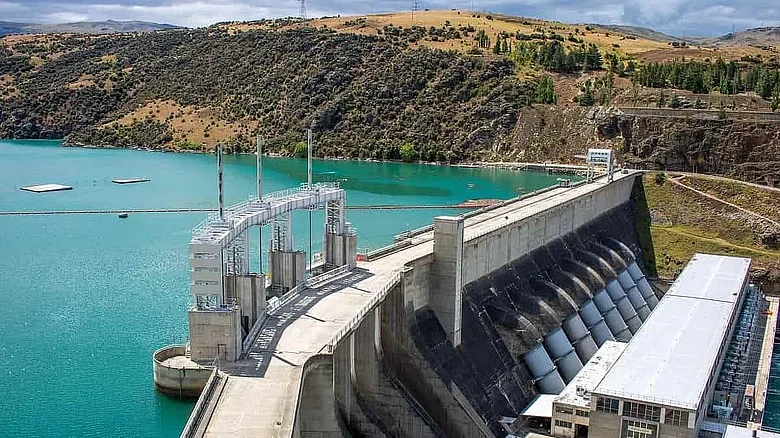

Flash floods near the China border damaged around 8% of Nepal’s generation capacity, including nine operational hydropower projects and a 25 MW solar plant.
Nepal, which gets more than 90% of its electricity from hydropower, may rely on India to bridge immediate power shortages while damaged projects are repaired.
The disaster has raised concerns over the vulnerability of Nepal’s expanding hydropower infrastructure to extreme weather and climate-related risks.
Nepal may seek electricity imports from India to address immediate power shortages after devastating flash floods damaged around 8% of the country's power generation capacity, according to the energy ministry.
The floods, triggered by a collapsing glacier near the Chinese border, destroyed nearly 360 megawatts of generation capacity, most of it hydropower, energy ministry spokesperson Shaligram Bhandari said, as reported by Bloomberg and published by Moneycontrol.

1 October 2026
Get the latest issue of Outlook Business

The disaster has killed at least 160 people, while more than 1,300 remain missing. Villages near the Chinese border were swept away as floodwaters surged through the region.


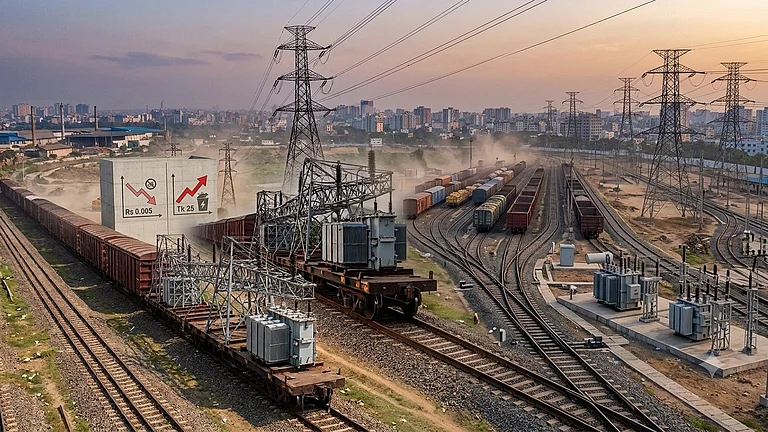
Hydropower projects damaged
Nine operational hydropower projects across two districts were damaged, according to a ministry statement issued late Wednesday. A 25 MW solar plant was also affected, while five projects under construction with a combined capacity of 390 MW suffered damage, Bhandari said.
Hydropower accounts for more than 90% of Nepal's total generation capacity of around 4,300 MW. Repair crews are working to restore damaged infrastructure, but the scale of the disruption could force Kathmandu to import electricity from India to meet short-term demand.
Advertisement
The damage has also disrupted the normal seasonal flow of electricity between the two neighbours.
Nepal generally exports hydropower to India during the summer months, when its rivers are fuller, and imports electricity during winter as frozen rivers reduce domestic generation.
Last year, Nepal supplied India with around 600 MW of electricity on a round-the-clock basis between June and November. It had planned to increase exports by another 500 MW this year.
Climate risks for Himalayan projects
The disaster has raised fresh concerns about the vulnerability of Nepal's rapidly expanding hydropower infrastructure to extreme weather and climate-related events.
The flash floods originated in the Himalayan region between Nepal and Tibet after a glacier collapsed. Rasuwa district was among the worst affected areas and experienced a similar, though smaller, disaster last year, according to Himanshu Thakkar, coordinator of the New Delhi-based South Asia Network on Dams, Rivers and People.
Advertisement
Thakkar warned that the rapid expansion of dams and hydropower projects could increase the country's exposure to extreme weather events.
“We need a detailed, scientific assessment of risks and benefits before deciding on projects,” he said.
For Nepal, the immediate priority remains restoring damaged generation capacity. Until repairs are completed, however, India could become a critical source of electricity as the Himalayan nation confronts the fallout from the disaster.