FSSAI has issued misbranding notices to at least six energy drink brands, including Red Bull, Monster, Sting, Adrenaline Rush, Campa and Hell Energy.
The regulator says it has not notified any official standard for "energy drink," and that the Food Category System under the 2011 FSS Regulations cannot be used for product naming or labelling.
FSSAI has flagged functional and therapeutic claims, such as boosting energy, enhancing focus, or aiding weakness, as impermissible under the FSS Act, 2006.
The Food Safety and Standards Authority of India (FSSAI) has issued notices to several beverage brands over the use of the term "energy drink" and related claims on their packaging and marketing, according to a post on the regulator's official Instagram handle, @fssai_safefood.
In its Instagram post, FSSAI said it had issued notices to several beverage brands over their use of the "energy drink" label, citing misbranding and misleading claims.

1 September 2026
Get the latest issue of Outlook Business

The Brands Named
FSSAI's notices cover at least six major energy drink brands sold in India:
Red Bull Energy Drink
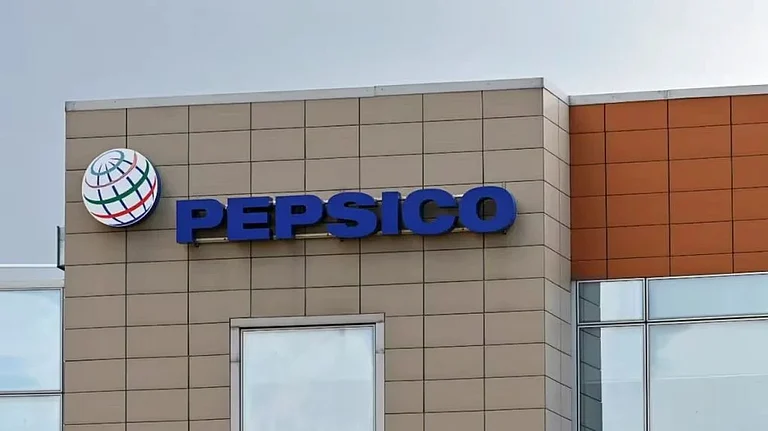
Adrenaline Rush Energy Drink (PepsiCo India Holdings Private Limited)
Sting Energy Drink
Monster Energy
Campa Energy Drink – Gold Boost
Hell-Energy Drink (Hell Energy Private Limited)

Reasons These Brands Received Notices
According to the FSSAI, each of these products has been promoted and labelled with terms like "energy drink," both on their packaging and, in some instances, on e-commerce platforms.
Advertisement
In largely identical notices issued to each brand, the FSSAI cited three common reasons for its action:
First, the authority has not established any official standard for "energy drink" or related product categories.
Second, the Food Category System under the Food Safety and Standards (Food Products Standards and Food Additives) Regulations, 2011 is not meant to be used for naming or labelling products.
Third, the functional or therapeutic claims made by these brands, including phrases such as "vitalizes body and mind," "enhancing focus," "boost energy levels," "aid in general weakness," and "stimulates mind energizes body," are not allowed for food products under the Food Safety and Standards Act, 2006, and its corresponding rules and regulations.
Advertisement
Penalties Enforced Under CCPA
This development follows the Central Consumer Protection Authority (CCPA) imposing penalties of ₹1 lakh each on two prominent food companies, Storia Foods and Beverages, which sells packaged juices and coconut water, and Mrs Bectors Food Specialities, which markets bread under the English Oven brand.
Both firms were found to have used the term "100%" in a manner that their products did not substantiate. They were ordered to remove these claims immediately from all packaging, websites, and digital platforms.
The phrase '100%' is a specific, absolute numerical statement and must align exactly with the product’s actual composition, the CCPA stated.
The legal issue with such claims goes beyond sloppy advertising. Under the Consumer Protection Act, 2019, a claim is considered misleading if it inaccurately represents a product’s nature, ingredients, or quality, or if it hides significant information.