




Online debate has erupted over stand-up comedian Samay Raina’s earnings from the latest season of India’s Got Latent
An X user claimed Netflix may have paid him ₹15-20 crore for the show
The viral post also estimates hefty YouTube ad revenue and multiple brand endorsements, sparking discussion about creator-led business models
Stand-up comedian Samay Raina has once again found himself at the centre of online discussion, this time over estimates of the revenue generated by the latest season of India's Got Latent.
The conversation emerged after a viral social media post suggested that the comedian may have earned substantial sums through a combination of streaming deals, YouTube revenue and brand partnerships.

1 September 2026
Get the latest issue of Outlook Business

The renewed interest comes months after the show attracted controversy over jokes that triggered widespread criticism. With the second season now underway and clips featuring actor Alia Bhatt gaining traction online, attention has shifted towards the business side of the programme.



An X (formerly Twitter) user named Paritsh Sharma shared a detailed breakdown of what he believes could be the financial gains associated with the show. Describing the project as the "biggest moment" of Raina's career, Sharma estimated that Netflix may have paid the comedian between ₹15 crore and ₹20 crore for the programme.
YouTube and Sponsorship Earnings Estimates
The viral post further claimed that the show's reported 25 million views on YouTube within the first day could have generated approximately ₹40 lakh to ₹50 lakh through advertising revenue.
Advertisement

In addition to streaming and advertising income, Sharma highlighted several brands that reportedly appeared through integrations within the show, including AI Nova, Flipkart Minute, Avvatar and Snitch.
Assuming sponsorship agreements valued at ₹2 crore to ₹3 crore per brand, the post estimated that these partnerships could contribute an additional ₹8 crore to ₹12 crore.
Based on these calculations, Sharma argued that no Indian stand-up comedian had previously achieved a similar level of earnings and reach from a single entertainment property.
Social Media Reactions Divided
The estimates triggered widespread discussion online, with many users viewing the development as the result of years of audience-building and content creation.
Advertisement
Some commenters suggested that digital creators are increasingly leveraging both OTT platforms and YouTube simultaneously, creating multiple revenue streams rather than relying on a single platform.
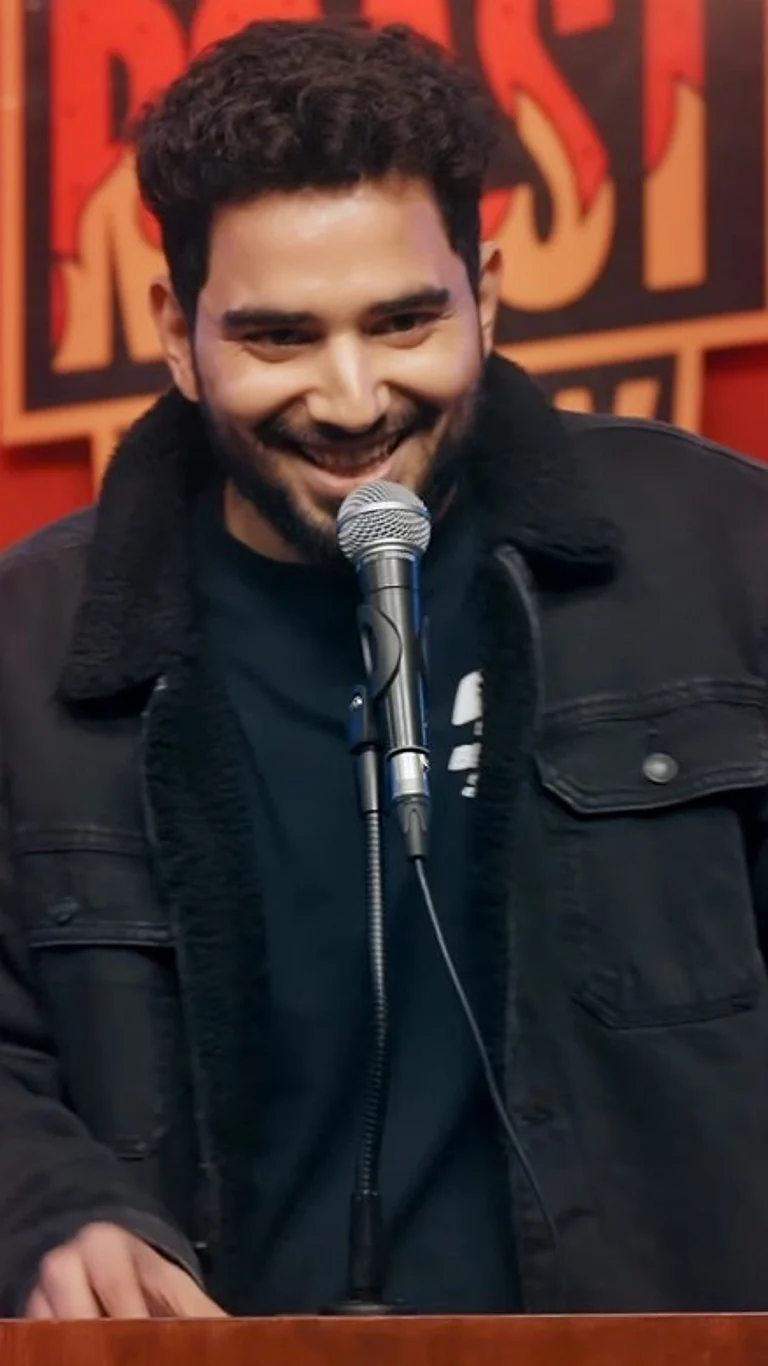
Others saw the episode as evidence of changing dynamics in the entertainment industry, where creators can first build loyal online audiences before negotiating significant deals with streaming services.
However, scepticism also surfaced. Several users pointed out that OTT agreements, advertising earnings and brand integration deals are typically confidential, making it difficult to independently verify the figures circulating on social media.









