





US cuts reciprocal tariffs on Bangladesh to 18% from 20% under new trade pact
Deal allows zero tariffs for select Bangladeshi textiles made with US cotton and fibre
Bangladesh commits to major purchases of US energy, agriculture, aircraft, and defence equipment
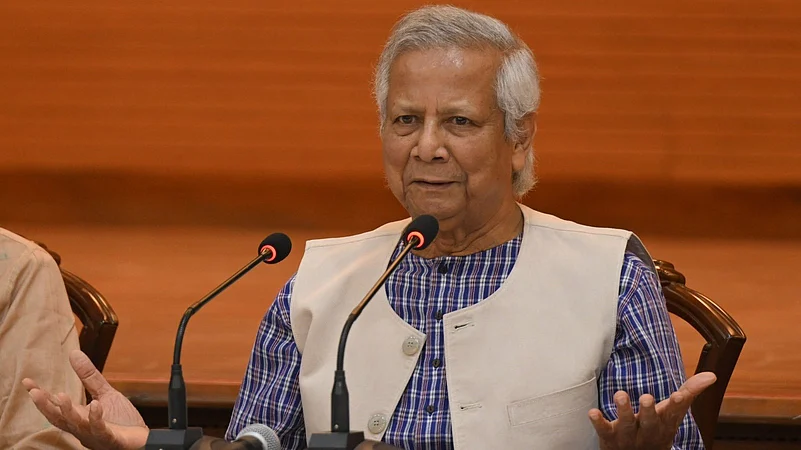
The United States on Monday struck a trade deal with Bangladesh, reducing reciprocal tariffs on Dhaka to 18% from 20%. Bangladesh’s Chief Adviser of the interim government, Muhammad Yunus, said the US has “committed to establishing a mechanism under which certain textile and apparel goods from Bangladesh, made using US-produced cotton and man-made fibre, will receive zero reciprocal tariff in the U.S. market.”
Meanwhile, a White House statement said Bangladesh will open its markets to a range of American goods, including agricultural products and automobiles.

1 September 2026
Get the latest issue of Outlook Business

In a post on X, US Trade Representative Jamieson Greer said the US–Bangladesh pact was the first agreement on reciprocal trade in South Asia. “I commend Bangladesh’s Commerce Adviser Sheikh Bashir Uddin for his constructive engagement to achieve a more balanced and reciprocal trading relationship,” Greer said.
Under the 32-page agreement, Bangladesh will purchase $15 billion worth of US energy products and about $3.5 billion of US agricultural goods. Biman Bangladesh Airlines is set to buy 14 Boeing aircraft, with options for additional purchases, reports said. Dhaka will also procure US military equipment and curb imports of military hardware from other countries.
Advertisement
Reports said other tariffs will be cut by 50% initially, with some to be phased out over five to ten years depending on the product. Bangladesh will also amend non-tariff barriers under the deal.
On the export side, pharmaceutical ingredients and aircraft parts from Bangladesh will attract zero tariffs. Washington has also committed to creating a pathway for certain Bangladeshi textile and apparel exports made with US cotton and man-made fibre to enter the US market at zero tariff.
“The reduction in reciprocal tariffs will provide further advantages to our exporters, while zero tariffs on specific textile and apparel exports using US inputs will give a significant boost to our garments sector,” Bangladesh’s National Security Adviser and chief negotiator Khalilur Rahman said.
Advertisement
Dhaka said the agreement has been approved by the Council of Advisers and will be implemented once both governments formally notify it. Bilateral trade between the US and Bangladesh stood at about $12.4 billion in 2024, up 3% from the previous year.









