




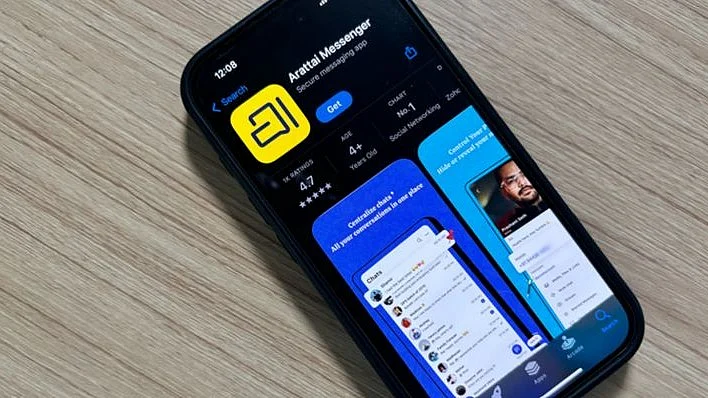

Zoho chief scientist Sridhar Vembu announced that Arattai will discontinue its username-based account system to comply with new regulatory requirements
The Ministry of Electronics and Information Technology issued a notice to Meta-owned WhatsApp, directing it to explain its upcoming username feature within three days
Government authorities fear that username-based accounts could significantly increase online fraud, phishing, digital arrest scams, and impersonation attacks
Arattai, a messaging app backed by Zoho, will discontinue its username-based account option as regulators clamp down on similar features offered by competing platforms.
The central government has issued a warning to several messaging services, including Meta’s WhatsApp, Telegram, and Signal.

1 September 2026
Get the latest issue of Outlook Business

The decision follows Meta’s announcement of an upcoming username feature on WhatsApp, which has raised concerns about potential identity theft and online fraud.
Arattai Disables Usernames
Zoho chief scientist Sridhar Vembu announced on X that Arattai will drop the username option. The decision aligns the platform with the updated regulatory framework, Vembu said.
"We will be disabling the username-based account feature in Arattai, to comply with the regulatory change," Vembu wrote.
Vembu did not clarify if Zoho had received a direct request or notice from the government regarding the feature.
Advertisement
Govt Raises Concerns
The Ministry of Electronics and Information Technology (MeitY) asked WhatsApp to explain its username feature within three days. MeitY advised the company against rolling it out until consultations are complete.
The username feature allows users to connect without sharing phone numbers. The government fears bad actors will adopt usernames closely resembling genuine individuals, public authorities, financial institutions and government agencies.
"It is felt that the feature may materially increase the incidence of online fraud, phishing, digital arrest scams and impersonation attacks..." a MeitY notice stated.
WhatsApp Defends Feature
The messaging platform clarified that the option is not active yet. It will launch slowly later in 2026, the company said, according to ANI.
Advertisement
The platform has implemented protective measures for its launch. Reserved names include public figures, government entities, celebrities, verified Meta accounts and lookalike derivatives.
"To protect against impersonation, we've held the highest-profile names... so they can only ever be claimed by their legitimate owners..." a WhatsApp spokesperson told ANI.
Scrutiny Widens in India
The ministry sent notices to Telegram and Signal to investigate how they tackle identity theft, fraud and spoofing.
The ministry demanded Telegram explain why it should keep its username option.
Unlike WhatsApp, Telegram and Signal already allow active username-based connections without sharing phone numbers.









