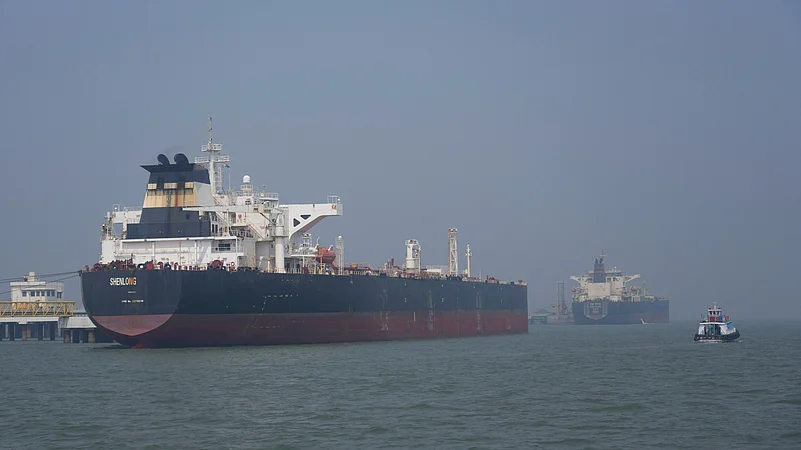

India, Bangladesh, Pakistan plan $107bn LNG terminals and pipelines under development.
Hormuz disruptions and attacks on Iran trigger global energy price spikes.
Renewable energy costs challenge gas projects as South Asia reassesses LNG expansion.
India, Bangladesh, and Pakistan have $107bn in liquefied natural gas (LNG) terminals and gas pipelines currently announced or under construction. A report from Global Energy Monitor (GEM) stated that energy markets have price spikes following attacks on Iran and shipping disruptions in the Strait of Hormuz.
Southern Asia accounts for 17% of LNG import capacity under development, which is 110.7 million tonnes per annum (mtpa). The region also represents 17% of gas pipelines by length, totalling 34,146 kilometers. India is building the second largest LNG terminal capacity and the third largest gas pipeline network. Bangladesh and Pakistan have capacity in development to double their existing levels.

1 September 2026
Get the latest issue of Outlook Business

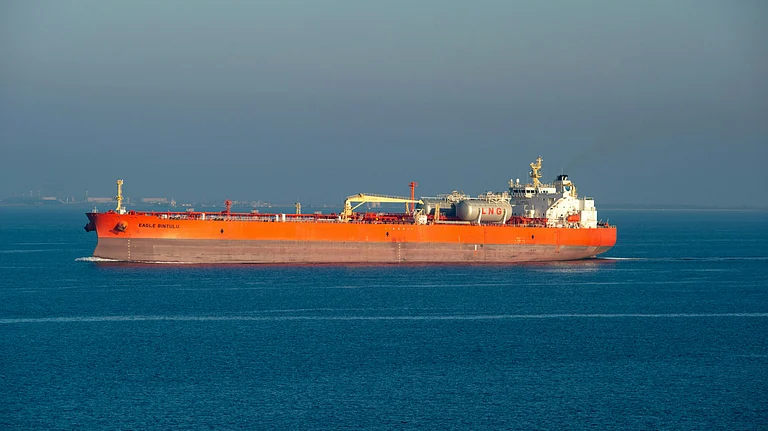
Rising LNG Project Risk
The GEM report found that shipping route disruptions and production changes raise prices. India, Bangladesh and Pakistan have responded to price changes and have a history of cancelling projects. In the last ten years, these countries shelved or cancelled two to three times as much LNG import capacity as they brought online. India cancelled 49 mtpa while 23 mtpa began operating. Bangladesh cancelled 23 mtpa while 8 mtpa began operating. Pakistan cancelled 14 mtpa while 5 mtpa began operating. Failure rates for these terminals are at a rate above projects in Europe.
Advertisement
The GEM report further stated that renewable power costs less than gas in the power sectors of India and Pakistan. Solar generation in Pakistan tripled in three years. India is scheduled to meet 40% of electricity demand with renewables by 2030.
In addition, the GEM report suggested that hydrogen and energy storage as alternatives to gas imports for industry and grid flexibility. Analyst Robert Rozansky stated in the news release that these economies will face price shocks and that alternatives are more reliable. The data in the Asia Gas Tracker includes gas pipelines, LNG terminals, power plants and gas fields.
Advertisement

Regional LNG Expansion Risks
South Asian economies are increasingly reassessing gas dependence as energy markets become more volatile. According to the International Energy Agency (IEA) report published on March 12, global oil supply is projected to plunge by 8 mb/d in March, with curtailments in the Middle East partly offset by higher output from non-OPEC+ producers, Kazakhstan and Russia following disruptions at the start of the year.
The IEA report further stated that the conflict is also having a significant impact on global product markets, with export flows through the Strait of Hormuz at a near standstill.
At the same time, falling renewable costs are reshaping energy strategies. According to the International Renewable Energy Agency’s (IRENA) 2024 report, solar and wind power are now among the most cost-effective sources of electricity in many regions, with 91% of newly commissioned utility-scale renewable projects in 2024, costing less than imported fossil fuels.