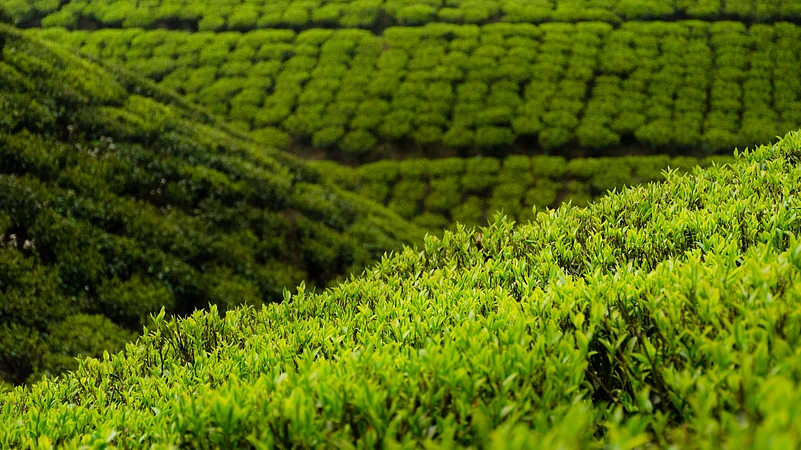
Sri Lanka's tea industry is facing severe disruptions as the ongoing military conflict in the Gulf region has adversely impacted shipments to one of its largest export markets, with exporters estimating revenue loss of $10 million per week.
The exporters are unable to supply tea to the region. They have orders in hand for the supply of tea, and it is the logistical issues and war risk preventing them from fulfilling such orders, a statement said.
"The ongoing military conflict in the Middle East has adversely impacted the Sri Lankan tea industry as the exporters are unable to supply tea to the region," a release said.

1 September 2026
Get the latest issue of Outlook Business

It added that approximately 52% of Sri Lanka’s tea exports are to the Gulf region.
According to 2025 tea export statistics, about 125 million kilograms of Ceylon tea were exported to the Gulf region, with an estimated value of $750 million.
The major importing countries of Ceylon Tea in the region include Iraq, Iran, Libya, Turkiye, Saudi Arabia, Syria, and the United Arab Emirates.
Although Libya and Turkiye can be reached via Africa, the exorbitant freight charges have prevented buyers in those countries from importing tea at the moment.
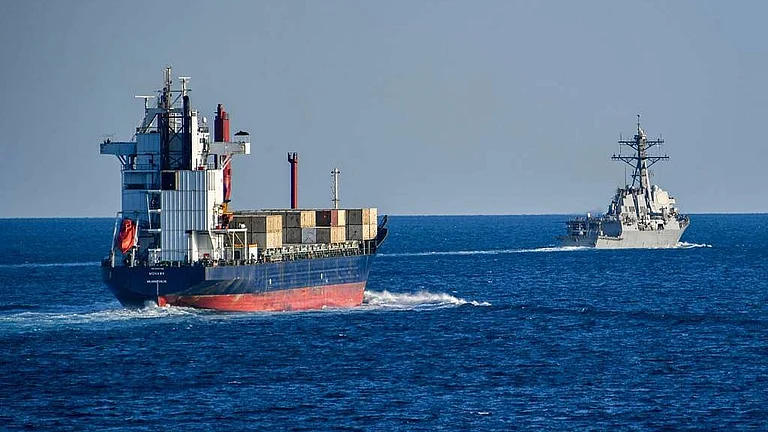
The supply routes to the Gulf region go via the Strait of Hormuz and the Red Sea Suez Canal. Although there is no blockade on the Suez Canal, due to the war risk, both channels are currently not used by the major shipping lines.
Advertisement
The tea exports to the region have almost come to a standstill due to all major shipping lines suspending their services to the region immediately after the outbreak of the conflict.

A spokesman, however, said that during last week, a few shipments had proceeded to Turkiye.
“The tea exporters are experiencing serious cash flow constraints, as payments for shipments already dispatched have been delayed due to the unsettled situation in the region.
In January 2026, the country earned $121.8 million from tea exports compared to $112.7 million in January 2025 (a 5% increase).
Advertisement
Sri Lanka has settled about 95% of the debt to Iran by supplying tea to Iran under the Tea for Oil mechanism. Iran purchases about 11 million kg of tea from Sri Lanka annually under the barter deal.

The Association said it has also requested government intervention to obtain the balance payment of about $50 million due on tea shipments already made to Iran under the barter deal.