
India’s private sector growth hits more than three years low in March
Composite PMI Output Index fell to 56.5 in March
The war in West Asia weighed on production growth
India’s private sector growth slowed to its weakest pace in more than three years in March, as softer domestic demand and rising cost pressures weighed on activity, according to the HSBC Flash India PMI data compiled by S&P Global.
The Composite PMI Output Index fell to 56.5 in March, down from 58.9 in February, marking the slowest expansion since October 2022. A reading above 50 indicates growth, but the decline points to a moderation in overall economic momentum.

1 September 2026
Get the latest issue of Outlook Business

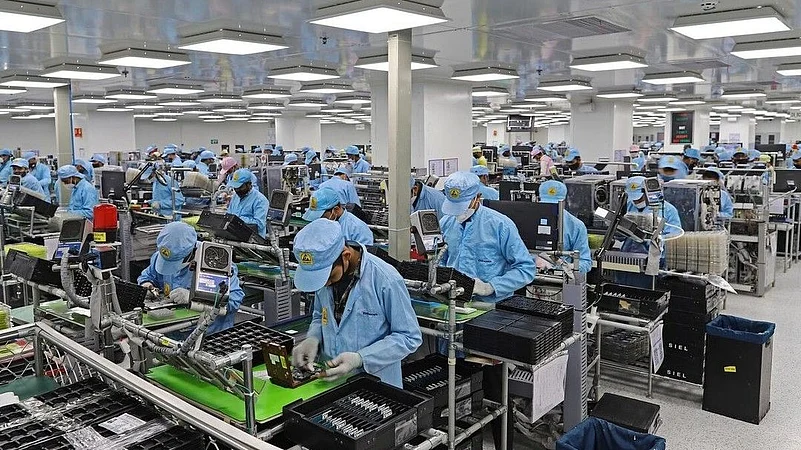
The slowdown was driven mainly by manufacturing, where output growth eased to its weakest level since August 2021. They reported that the war in the West Asia weighed on production growth by exacerbating market instability, driving inflationary pressures higher and restricting demand
through heightened future uncertainty among clients and end consumers.
Service sector activity also expanded at a slower pace, recording the softest increase since January 2025. Anecdotal evidence particularly pointed to disruptions to international travel and the negative impact of the joint strikes by the US and Israel and Iran's counterattacks.
"Output growth eased across both manufacturing and services as the energy shock unfolds. Softer domestic demand weighed on new orders, which rose at the slowest pace in more than three years, despite a record surge in new export orders. Cost pressures intensified, but companies are absorbing part of the increase by squeezing margins," said Pranjul Bhandari, Chief India Economist at HSBC.
Advertisement
Growth in new orders slowed across both sectors, with overall sales rising at the weakest pace since November 2022. In contrast, export demand strengthened, with international orders increasing at the fastest rate since the survey began.
Inflationary pressures intensified during the month. Input costs rose at the fastest pace in nearly four years, driven by higher prices for energy, metals, chemicals and food items. Companies increased selling prices, though at a slower rate than input costs, indicating pressure on margins.
Despite the slowdown in demand, firms continued to hire, with employment rising at the quickest pace since August. Business sentiment remained positive, supported by expectations of improved demand and ongoing marketing efforts
Advertisement
The Manufacturing PMI fell to 53.8, a four-and-a-half-year low, while the Services PMI stood at 57.2, down from 58.1 in February.