
Sun Pharmaceutical Industries has lined up 11 banks, including State Bank of India (SBI), to finance its $11.75 billion acquisition of US-based Organon & Co, according to a report by a Business Standard. The syndication process for the deal has now been completed, with each of the 11 participating banks committing roughly $1 billion.
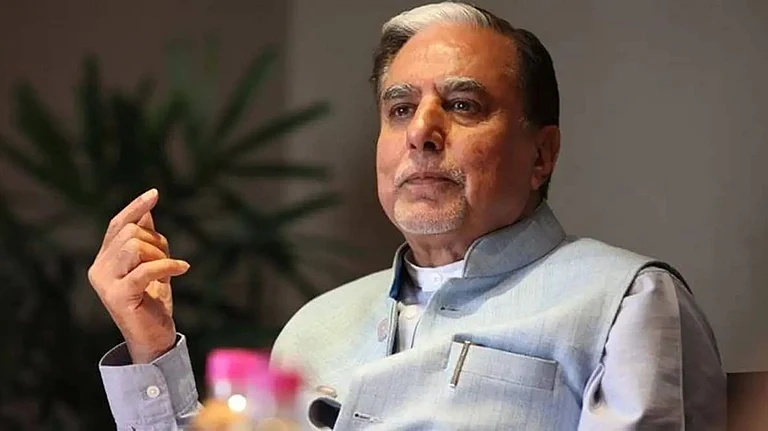
Sun Pharma chairman Dilip Shanghvi signed the all-cash agreement to acquire Organon in April. Industry observers expect the deal to push Sun Pharma into the world's top 25 pharmaceutical firms and make it the seventh-largest player globally in biosimilars.
Among domestic lenders, SBI is the sole participant in the financing arrangement, which was structured as a loan syndication, where an underwritten loan is split among multiple banks to spread out the lending risk.

1 October 2026
Get the latest issue of Outlook Business

Besides SBI, banks named in the report include HSBC, Standard Chartered, ING, DBS, Credit Agricole Corporate and Investment Bank and Sumitomo Mitsui Banking Corporation. These lenders joined the three original underwriters, Citi, JPMorgan Chase and MUFG, to raise more than $10 billion in debt. Sun Pharma is covering the rest of the deal value through its own cash reserves.



JPMorgan, Citi and MUFG signed the underwriting commitment before the acquisition was finalised in late April, the report further said. At the time, the plan was to rope in seven or eight more banks within three months. That target was met on June 30, when the eight additional lenders formally joined, taking the total count to 11.
Advertisement
Why the Deal Matters for Sun Pharma
Beyond its scale, the acquisition is seen as a route for Sun Pharma to expand its footprint in China and strengthen its standing among the world's leading drugmakers. The company had attempted something similar in 2014, when it acquired Ranbaxy Laboratories, then a bigger company by revenue, in a nearly $4 billion deal that carried about $800 million in debt.
The Sun Pharma-Organon financing also reflects a broader pattern of Indian companies pursuing overseas acquisitions. The report pointed easier access to technology amid shifting manufacturing and industrial trends, along with the growing shift toward near-shoring and on-shoring in global supply chains, as key drivers behind this trend. Many Indian firms are turning to overseas markets to sustain growth, particularly as domestic demand slows, aided by balance sheets that some describe as being in their strongest position yet. Pharmaceuticals, healthcare, electronic manufacturing services (EMS) and information technology are among the sectors currently seeing the most outbound acquisition activity.