The Union Budget plays a central role in ensuring economic stability, fairness, and efficient use of public resources
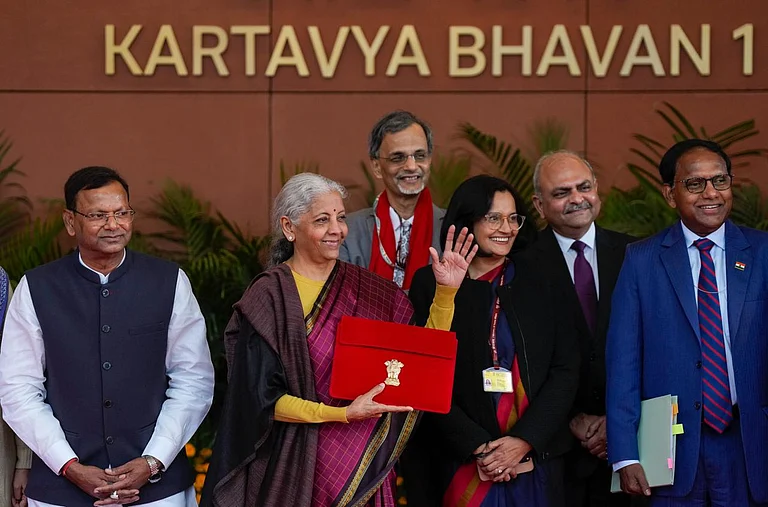
Finance Minister Nirmala Sitharaman will present the Union Budget for 2026–27 on 1 February 2026
The budget allocates resources to key sectors like healthcare, education, infrastructure, and poverty reduction
Union Finance Minister Nirmala Sitharaman is expected to present the budget for FY27 on February 1, 2026. However, this is the tentative date as the day falls on a Sunday and is marked as a restricted holiday. The final schedule will be announced by the Cabinet Committee on Parliamentary Affairs in January 2026.
Every year, the Indian government presents the Union Budget, showing how it plans to earn and spend money in the year ahead. The budget is more than a financial report; it acts as a plan for the country’s overall growth and development.
Union Budget Purpose
The main purpose of the budget is to plan government income and spending. It ensures that public funds are used for the benefit of citizens by forecasting revenue and carefully allocating funds to support welfare programs, development initiatives, and long-term economic stability.

1 September 2026
Get the latest issue of Outlook Business

A key role of the budget is deciding where funds go. By prioritising sectors like healthcare, education, infrastructure and poverty reduction, the government ensures money reaches the areas and people that need it most. This helps reduce inequality and promotes balanced development across India.
Advertisement
Additionally, the Union Budget is essential for promoting economic growth. It promotes spending, saving and business growth through tax laws, subsidies and investment incentives. These steps strengthen India’s position as a growing economy and help to increase the country’s gross domestic product (GDP).
Meanwhile, Public Sector Enterprises also gain from the budget. By providing funds and supportive policies, the government helps these enterprises modernise, grow and create jobs, which contributes to the overall national development.
Reducing poverty and unemployment is also an important goal for the union budget. By directing resources towards the direction of job creation and social welfare programs, it helps citizens to meet their basic needs, for example, food, shelter, healthcare and education. This ensures a better standard of living for people across income levels.
Advertisement
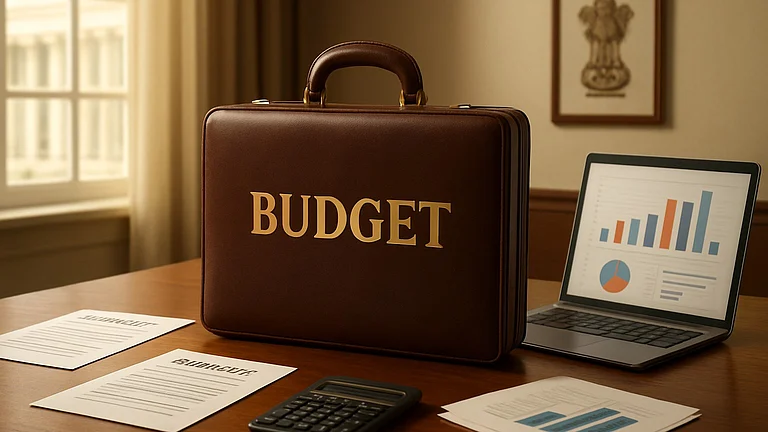
Why Union Budget Matters?
The Union Budget helps control economic ups and downs and maintain price stability. The budget helps keep prices stable by controlling inflation and deflation. It shares wealth more fairly by taxing the rich people and supporting lower-income groups.
The budget also simply guides changes in the country’s tax system. It sets income tax slabs, adjusts rates and introduces reforms that affect individuals and businesses. Overall, the Union Budget is important for balancing the economy.